Bollywood Actor Sunil Shetty's Estate Integrates Nature: Trees Through Roof, Stream Below Floor
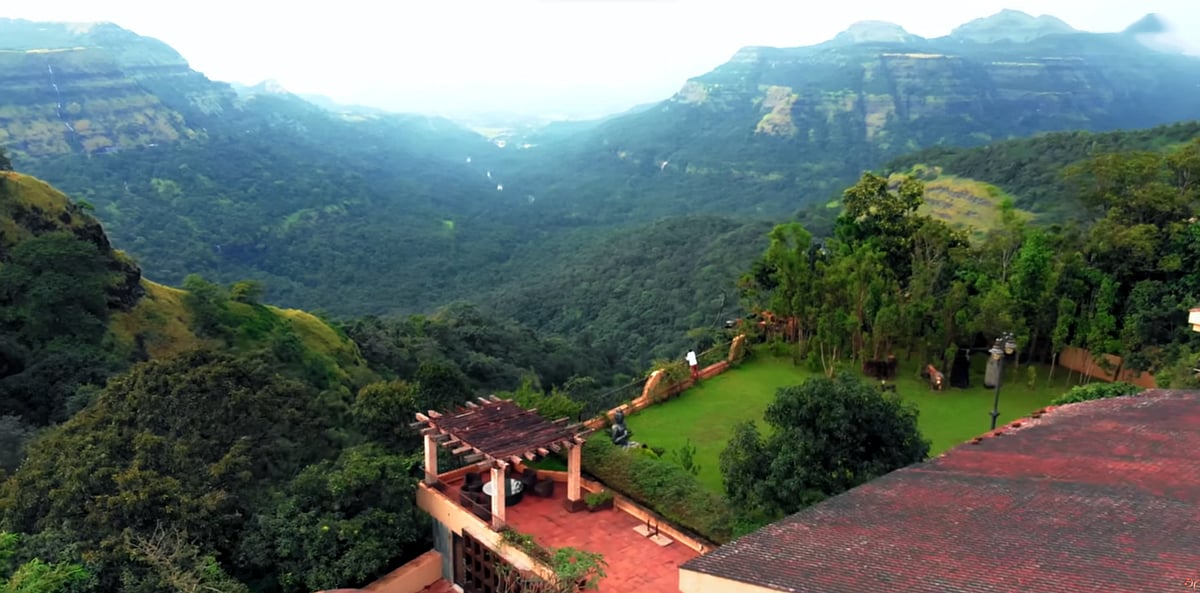
Bollywood actor Sunil Shetty's farmhouse, named 'Jahan,' is situated in the green hills of Khandala, a 1.5 to 2-hour drive from Mumbai. The estate, valued at approximately 20 crore rupees, is designed to blend seamlessly with nature. Its construction follows biophilic design principles, incorporating elements like plants, water, natural light, and stone as integral parts of the architecture. A striking feature is several large trees that grow through the roof, having been preserved during construction. Additionally, a natural stream flows beneath the house's floor, its natural course uninterrupted. A significant rock present at the construction site was also not removed but incorporated into the home's design. The property is adorned with plants and vines in pots, with earthy tones of red, brown, white, and green enhancing its connection to the surroundings. The interiors boast high ceilings, large doors and windows, and abundant natural light, creating a warm and elegant ambiance with marble floors, a vast sofa, and traditional art. The living room features a wall displaying masks collected by Sunil Shetty, and a full Buddha statue is visible near the garden's infinity swimming pool. An open-air seating area is a highlight, with an automated roof that retracts at the touch of a button, offering an unobstructed view of the sky. Including a swimming pool, a private theater, and its deep integration with nature, 'Jahan' stands as a unique example of coexisting with the natural environment, rather than just a luxurious farmhouse.
The design of Sunil Shetty's farmhouse, 'Jahan,' exemplifies a growing trend in luxury real estate that prioritizes biophilic integration. By incorporating natural elements like trees growing through the roof and a stream flowing beneath the floor, the estate moves beyond conventional construction to create a living space that actively engages with its environment. This approach reflects a broader societal shift towards valuing sustainability and well-being, potentially influencing future architectural standards. The significant investment in such a design suggests a market demand for properties that offer not just opulence but also a profound connection to nature, hinting at a future where ecological harmony becomes a key differentiator in high-value real estate.
AI-generated to prompt reflection — not editorial opinion, not advice, not a statement of fact. How this works.