Bologna Station Bombing: Mattarella Affirms Democratic Values, Meloni and La Russa Debate Neo-fascist Roots
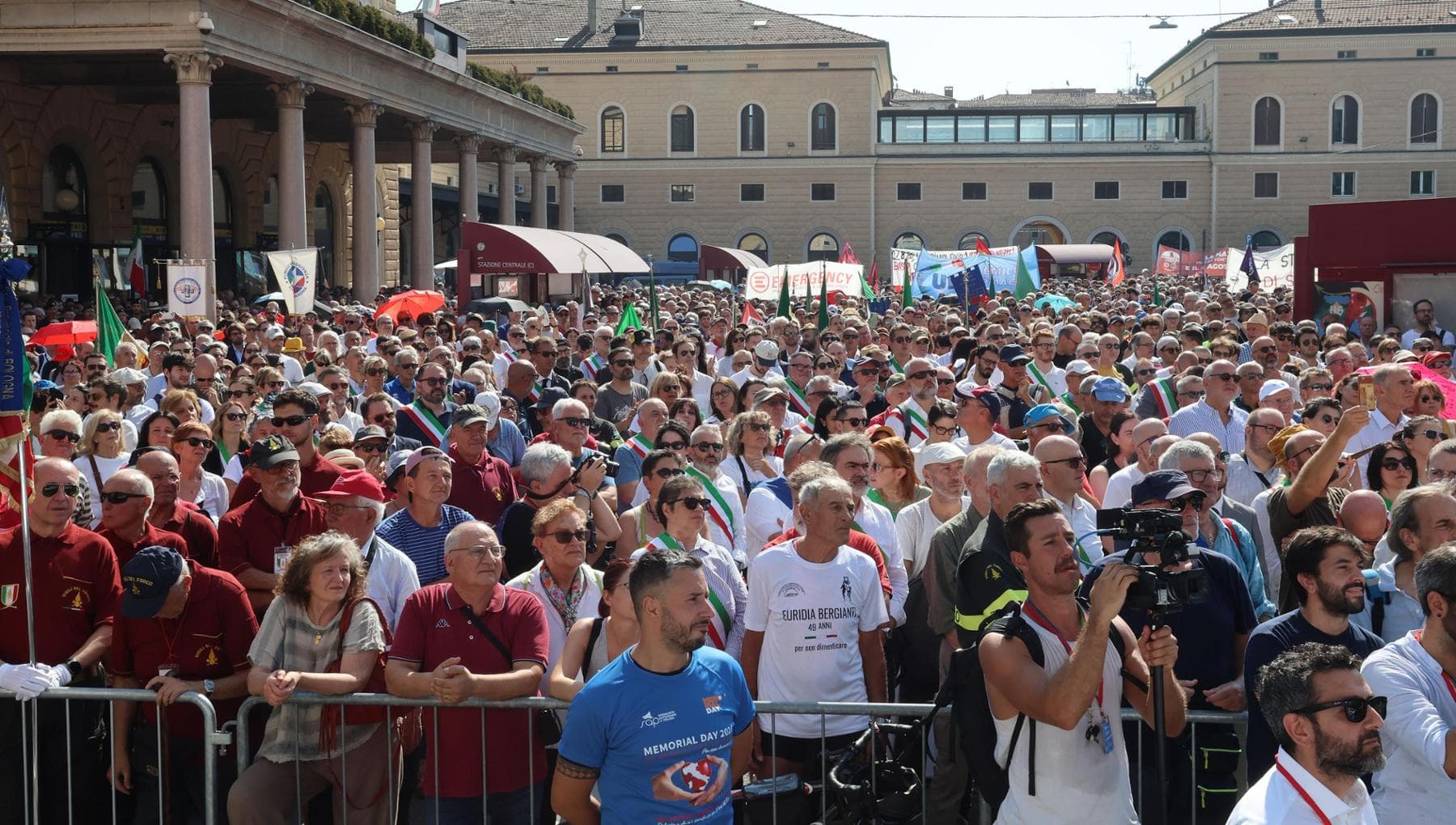
Italian President Sergio Mattarella emphasized the enduring strength of freedom, justice, and democracy, values that neo-fascist strategies aimed to destroy. His remarks came in the context of the Bologna station bombing, a tragic event where neo-fascist ideology was implicated. While Mattarella focused on upholding democratic principles, Prime Minister Giorgia Meloni's statements on the matter have been noted for what some perceive as omissions regarding the neo-fascist origins. Meanwhile, Senate President Ignazio La Russa has expressed his continued refusal to accept that the bombing's roots were not neo-fascist. This divergence in emphasis highlights ongoing discussions and political sensitivities surrounding the interpretation and commemoration of this historical act of terrorism.
The differing perspectives on the Bologna station bombing, particularly concerning the acknowledgment of neo-fascist motivations, reflect a broader societal negotiation with historical memory and political extremism. While President Mattarella's focus on democratic resilience serves to unify and reaffirm national values, the debate between Prime Minister Meloni and Senate President La Russa suggests underlying tensions in how to fully confront and contextualize the event's origins. This dynamic raises questions about the long-term implications for historical education and the prevention of future political violence, as a comprehensive understanding of past extremism is crucial for safeguarding democratic institutions against resurgent ideologies. The challenge lies in balancing commemorative integrity with the political realities of diverse interpretations, ensuring that the narrative serves to strengthen, rather than fracture, the national commitment to democratic principles.
AI-generated to prompt reflection — not editorial opinion, not advice, not a statement of fact. How this works.