Bolsonaro's defense appeals ban on political visits and manifesto dissemination
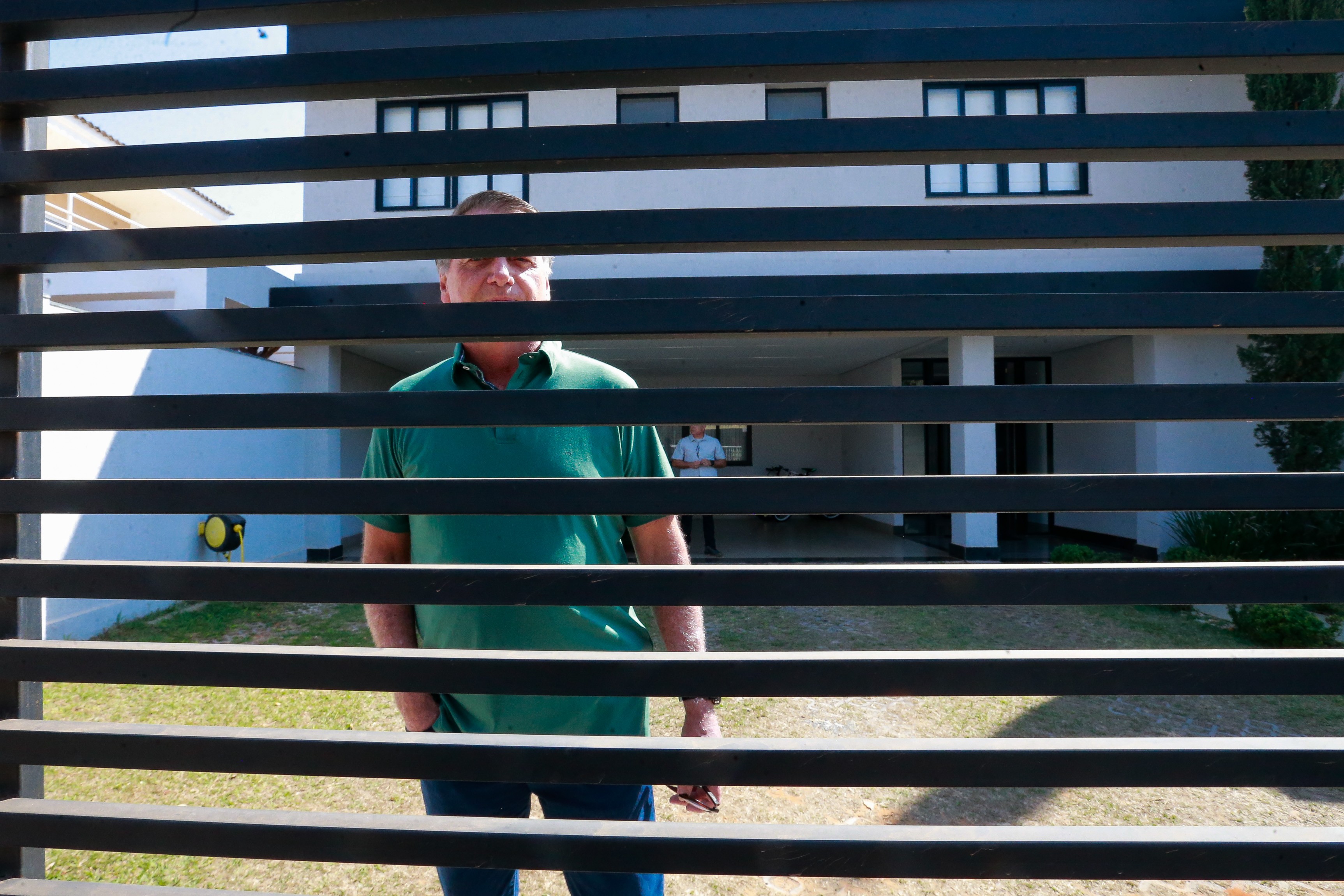
Jair Bolsonaro's legal defense team has filed an appeal against a Supreme Federal Court (STF) ruling that prohibits the former president from receiving visitors for political-electoral purposes and from disseminating manifestos with such content. The defense argues that the restriction is "generic" and lacks constitutional or legal basis, requesting Minister Alexandre de Moraes to review the measure or forward the appeal to the Court's First Panel. They contend that the suspension of political rights should not impinge upon freedom of expression. Bolsonaro's political rights were suspended following the finalization of his conviction related to a "coup plot." The defense cites the case of Lula in 2018, who, despite being imprisoned during an election, was able to widely disseminate a letter endorsing his successor, arguing for a similar right to express political views. However, STF ministers differentiate this situation, noting Lula was not convicted with no further appeals and his political rights were not suspended. The prohibition was imposed by Minister Moraes after Senator Flávio Bolsonaro shared a letter from his father online. The defense claims the minister has broadened restrictions beyond specific communication channels to a general ban on political-electoral content dissemination, without adequate legal or constitutional justification. They argue that while Bolsonaro may be allowed to think and write, being prevented from transmitting these thoughts effectively amounts to a material prohibition of thought dissemination.
This legal challenge highlights the tension between restricting political expression and safeguarding fundamental freedoms, particularly for individuals whose political rights have been suspended. The defense's argument centers on the breadth of the prohibition, framing it as an overly broad restriction on free speech rather than a targeted measure against specific electoral interference. The comparison to Lula's past situation, while contested by the STF, underscores a recurring debate about the scope of political activity permissible for figures facing legal sanctions. Future legal interpretations will likely grapple with defining the precise boundaries of "political-electoral purposes" and the extent to which indirect dissemination of ideas can be curtailed without infringing upon core constitutional rights. This case could set precedents for managing the public voice of political figures in sensitive legal circumstances, influencing the balance between democratic participation and the integrity of legal processes.
AI-generated to prompt reflection — not editorial opinion, not advice, not a statement of fact. How this works.