Bolsonaro's defense argues visit restrictions are political silencing at STF
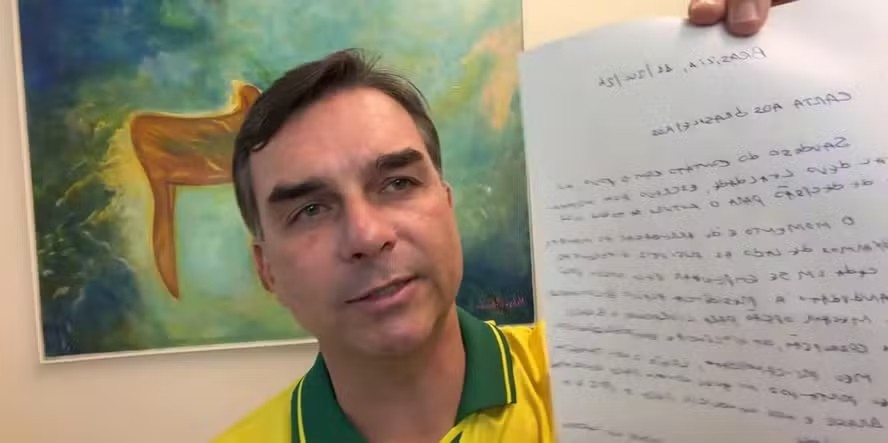
Jair Bolsonaro's legal defense team has filed a complaint with Brazil's Supreme Court (STF), arguing that restrictions on his visits are a form of political silencing and ideological limitation. On July 17, Minister Alexandre de Moraes ordered that Bolsonaro be barred from receiving visitors for political or electoral purposes for 90 days while under house arrest in Brasília. This 90-day period includes the first round of the 2026 presidential elections on October 4. The defense is seeking to overturn this restriction ahead of the electoral campaign. Moraes also prohibited Senator Flávio Bolsonaro, Jair Bolsonaro's son and lawyer, from visiting his father for 30 days after Flávio read a letter written by Jair on social media. Jair Bolsonaro is currently banned from using social media, either directly or through third parties like his children. The defense contends that Moraes's decision exceeds the consequences of Bolsonaro's conviction for attempting a coup in 2022, which resulted in the suspension of his political rights. They argue the restriction is based on an indeterminate concept, violating due process. Moraes cited a letter addressed 'to Brazilians' as evidence of its non-private, political-electoral nature, with Flávio acting as an intermediary. Bolsonaro's lawyers dispute this, drawing a parallel to a 2018 letter by then-imprisoned Lula, read by Fernando Haddad, during which Lula faced no communication restrictions. They assert that prohibiting the dissemination of Bolsonaro's thoughts, even if he is permitted to write them, effectively stifles the circulation of ideas and undermines his freedom of thought, which should remain preserved even after the suspension of political rights.
The legal dispute centers on the interpretation of restrictions imposed on a former president under house arrest, specifically concerning political communication. The defense frames the limitations as an infringement on free speech and political participation, contrasting them with past instances involving other political figures. The core tension lies between maintaining public order and preventing political manipulation, versus upholding fundamental rights of expression and association, even for individuals with suspended political rights. Evaluating this situation requires considering the evolving legal landscape surrounding digital communication, political campaigning, and the balance of power between judicial oversight and individual liberties in the context of democratic processes. The long-term implications may involve setting precedents for how political figures, particularly former leaders, are treated under legal restrictions during sensitive electoral periods.
AI-generated to prompt reflection — not editorial opinion, not advice, not a statement of fact. How this works.