Bolsonaro's Letter Sparks Political Fallout and Judicial Clash in Brazil
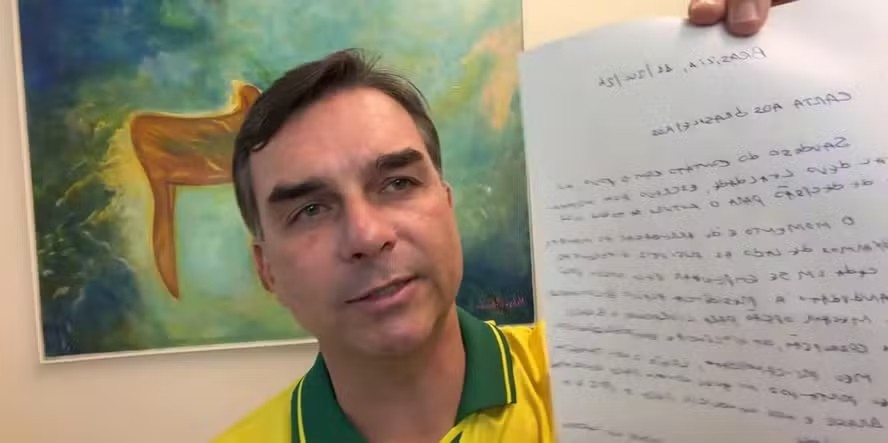
Former Brazilian President Jair Bolsonaro, while under house arrest, penned a letter urging his allies to set aside differences and endorsing his son, Senator Flávio Bolsonaro, as the best candidate for the 2026 presidential race. Senator Flávio Bolsonaro disseminated this letter via social media. The Supreme Federal Court (STF) reacted swiftly, with Minister Alexandre de Moraes interpreting the act as a violation of Bolsonaro's prohibition from using social media, even indirectly. Moraes also suggested Flávio's visit to his father was intended to circumvent this restriction. Consequently, the STF has barred the father and son from meeting until after the first round of the upcoming elections. Bolsonaro's defense team must now explain whether the former president was aware the message would be publicized. This development was discussed on the podcast 'O Assunto' by Natuza Nery and reporter Rafael Moraes Moura from O Globo newspaper. Moura noted that Flávio Bolsonaro described the letter as his father's fifth public message and accused Moraes of interfering in the election. The PL party president believes Moraes's decision will boost Flávio's presidential aspirations, while Lula's allies reportedly do not wish for Bolsonaro's house arrest to be revoked. Allies have criticized Moraes's decision as 'absurd,' preventing Flávio from communicating with his father until the first electoral round.
The dissemination of Jair Bolsonaro's letter, intended to consolidate support for his son's presidential aspirations, has triggered a significant judicial intervention by the Supreme Federal Court. This event highlights the complex interplay between political maneuvering, familial endorsement, and judicial oversight within Brazil's democratic framework. Minister Alexandre de Moraes's swift action underscores the court's vigilance in enforcing restrictions on individuals facing legal proceedings, particularly concerning public communication. The ensuing prohibition on meetings and the demand for explanation from Bolsonaro's defense raise critical questions about the boundaries of political expression for former leaders under judicial constraint and the potential for such actions to be perceived as election interference. The situation presents a delicate balance between upholding legal authority and ensuring the free flow of political discourse, with implications for the upcoming electoral landscape and the public's perception of institutional impartiality.
AI-generated to prompt reflection — not editorial opinion, not advice, not a statement of fact. How this works.