Bolsonaro's pre-campaign coordinator criticizes Moraes' decision to restrict ex-president
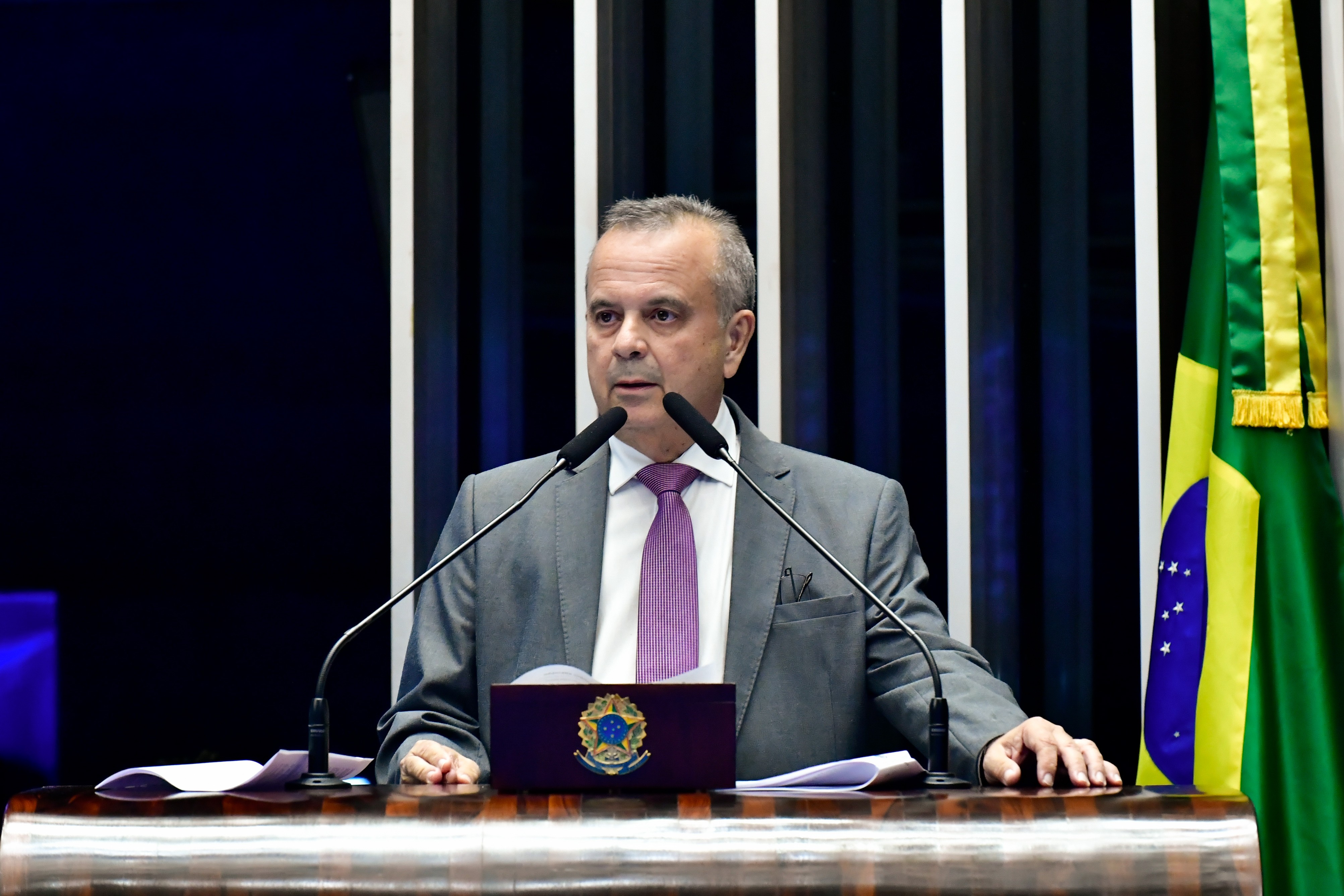
Rogério Marinho, leader of the Opposition in the Senate and coordinator of Flávio Bolsonaro's presidential pre-campaign, has strongly criticized a recent decision by Supreme Court Minister Alexandre de Moraes. The ruling further restricts former President Jair Bolsonaro, who is currently under house arrest. Marinho described the new measures as "extravagant," "unusual," and a tool for "political silencing." The restrictions, announced on Saturday, November 18, prohibit Bolsonaro from receiving visitors for political or electoral purposes until the end of the 2026 elections and ban the dissemination of political manifestos, even through third parties.
Marinho argued that the isolation imposed on Jair Bolsonaro undermines the Democratic State of Law and exceeds constitutional limits. He stated that the suspension of political rights should be limited to the act of voting and being voted for, not extending to communication with society or visits from family. The decision by Moraes was reportedly motivated by Bolsonaro's alleged violation of previous precautionary measures. Specifically, on July 11, Senator Flávio Bolsonaro shared a letter written by his father on social media, endorsing his pre-candidacy. In response, Moraes had previously suspended Flávio Bolsonaro's visits for 90 days. The latest ruling, issued on Friday, November 17, cited "flagrant non-compliance" and "active participation" by Bolsonaro in creating "pre-fabricated material" to circumvent communication restrictions while under humanitarian house arrest. The former president has been serving a sentence of 27 years and three months for attempted coup since November 25, 2025, and was moved to house arrest on March 24, 2025.
Minister Alexandre de Moraes's decision to expand restrictions on former President Jair Bolsonaro, including barring political visits and manifesto dissemination, highlights the complex interplay between judicial oversight and political expression. The ruling, prompted by alleged violations of prior orders, raises questions about the scope of judicial authority in managing high-profile individuals under legal constraints, particularly during electoral periods. While the court cites the need to enforce compliance and prevent circumvention of orders, critics argue these measures constitute political silencing and overreach, potentially impacting democratic discourse. The situation underscores a broader challenge in balancing the imperative of upholding the rule of law with safeguarding fundamental political freedoms, especially when applied to former heads of state. Future legal interpretations and public discourse will likely shape the precedent set by these actions regarding the boundaries of judicial intervention in political activities.
AI-generated to prompt reflection — not editorial opinion, not advice, not a statement of fact. How this works.