Bom Jesus da Cana Verde Chapel Celebrates 100 Years of Faith and History
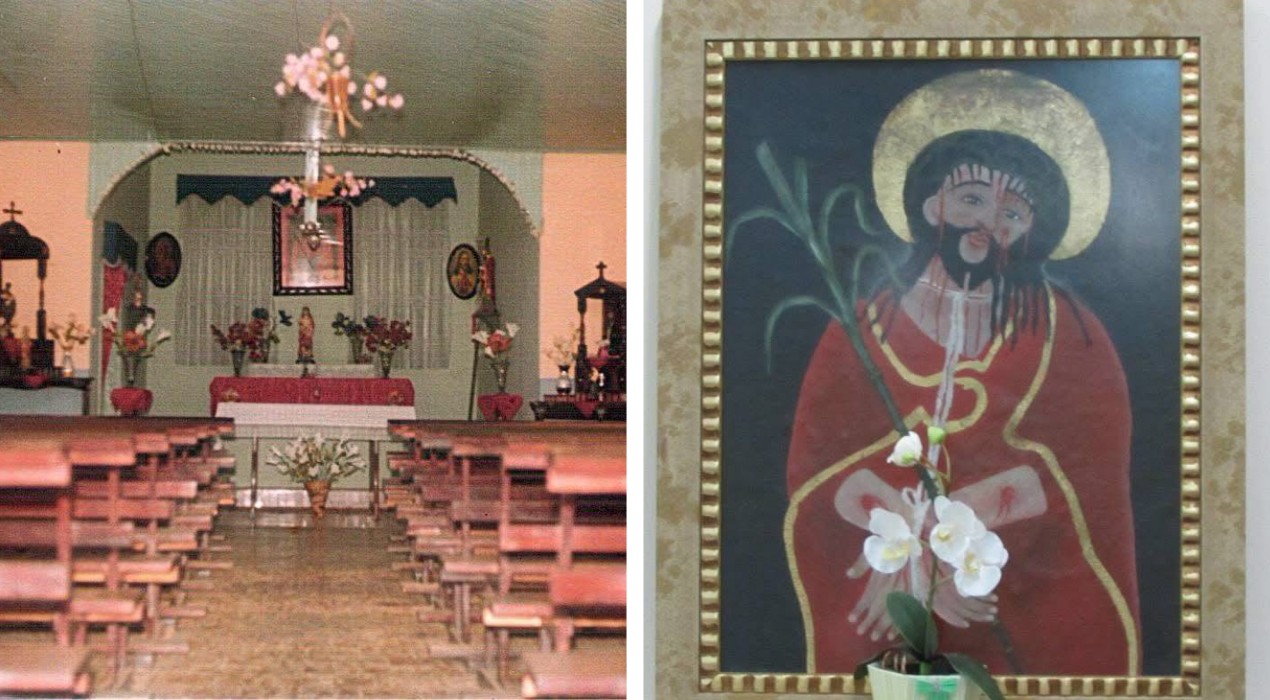
The Chapel of Bom Jesus da Cana Verde, located near Sorocaba, São Paulo, is celebrating its centenary, marking 100 years of history and devotion. The chapel's origins trace back to 1926 when a drover named Feliciano Bueno accidentally left behind a religious painting of Bom Jesus da Cana Verde. He had purchased the artwork at a fair but forgot it after a card game. Francisco de Souza Moraes, the landowner, found the painting and hung it on a ranch post. Bueno, upon returning and seeing the painting, decided to leave it as an offering to the ranch. This original painting, measuring 50 by 80 centimeters, is still preserved and displayed on the altar of the current chapel. The original straw-roofed ranch has since been replaced by a chapel built with mud and thatch, which will reach its 100th anniversary in 2026. To commemorate this milestone, the Bom Jesus da Cana Verde Community, part of the São Bento Parish, has organized a series of events blending historical preservation, rural traditions, and religious services. These celebrations commenced on Thursday, June 30th, and will extend through August. A significant discovery was made during preparations for the centenary: a sacred altar stone containing relics of Saint Celestina and Saint Victoria, bearing the signature of Bishop Dom Aguirre and dated August 16, 1926. The festivities include masses, traditional food stalls, auctions, and a raffle, with proceeds supporting the chapel's maintenance. A Novena of the Centenary will run from August 8th to 16th, culminating in a Solemn Mass presided over by the Metropolitan Archbishop of Sorocaba, Dom José Roberto Fortes Palau, on August 16th. This date coincidentally aligns with the anniversary of Bishop Aguirre signing the altar stone, symbolizing a full century of heritage.
This narrative highlights the organic growth of a religious community centered around a devotional object. The chapel's evolution from an accidental offering to a community hub underscores the enduring human need for shared spiritual practice and cultural preservation. The discovery of the altar stone with relics and a bishop's signature adds a layer of historical legitimacy and reinforces the chapel's significance within the local ecclesiastical structure. Future challenges for such institutions may involve balancing tradition with the evolving needs of a modern congregation, ensuring financial sustainability for upkeep, and potentially leveraging digital platforms to broaden outreach while maintaining their core identity. The integration of historical artifacts and community traditions into the centenary celebrations offers a model for other heritage sites seeking to engage contemporary audiences.
AI-generated to prompt reflection — not editorial opinion, not advice, not a statement of fact. How this works.