Bom Jesus do Itabapoana Implements One-Way Streets, Sparking Mixed Reactions
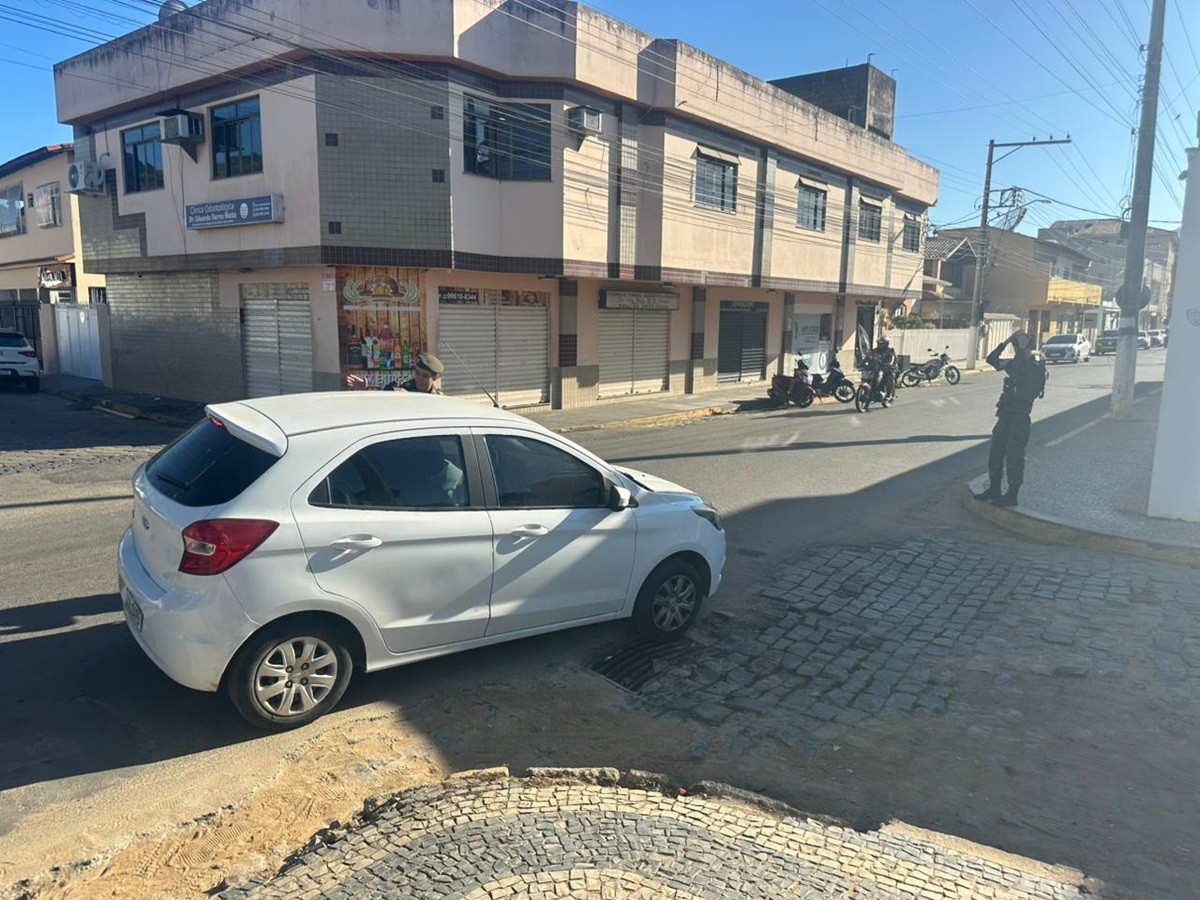
Bom Jesus do Itabapoana, a city in the Noroeste Fluminense region of Brazil, began implementing significant traffic changes on Thursday, February 2nd. The first phase of the Urban Mobility Plan introduces one-way traffic systems on several key streets, a move that has generated divided opinions among local drivers and residents. According to the City Hall, these alterations are based on technical studies conducted by the Federal University of Viçosa (UFV) and aim to enhance traffic flow, improve road safety, and better organize vehicle circulation in busy areas. Specifically, Rua Vereador João Gomes de Figueiredo, Avenida Olímpica, and Rua Dr. Colombino Teixeira de Siqueira are now one-way from the city center towards the Santa Terezinha neighborhood. Conversely, Rua Josino Garcia de Figueiredo and Avenida Tenente José Teixeira now operate as one-way streets from Santa Terezinha towards the center. The Municipal Secretariat of Public Order and Civil Defense has confirmed that all necessary signage has been installed, and Municipal Civil Guard agents are present to guide drivers during the adaptation period. Initial public reactions have been varied, with some drivers anticipating improved traffic flow and others expressing concerns about adapting to the new system and its potential impact on daily routines. The City Hall urges drivers to exercise extra caution, adhere to the new signage, and stay informed through official channels regarding future phases of the Urban Mobility Plan.
The introduction of one-way street systems in Bom Jesus do Itabapoana, based on technical studies from UFV, represents a common urban planning strategy to manage traffic congestion and enhance safety. The mixed public reception highlights the inherent tension between centralized planning and the lived experience of residents, particularly concerning adaptation costs and perceived disruptions to routine. As cities globally grapple with increasing urbanization and the integration of smart mobility solutions, the success of such initiatives hinges not only on engineering efficacy but also on robust public engagement and phased implementation to foster community buy-in. Future urban mobility plans will likely need to incorporate more dynamic feedback mechanisms and flexible adjustments to balance systemic efficiency with individual convenience, especially as autonomous vehicle integration becomes a near-term reality.
AI-generated to prompt reflection — not editorial opinion, not advice, not a statement of fact. How this works.