Bombay HC Judge Criticizes Police Over Babri Masjid Demolition Case Targeting
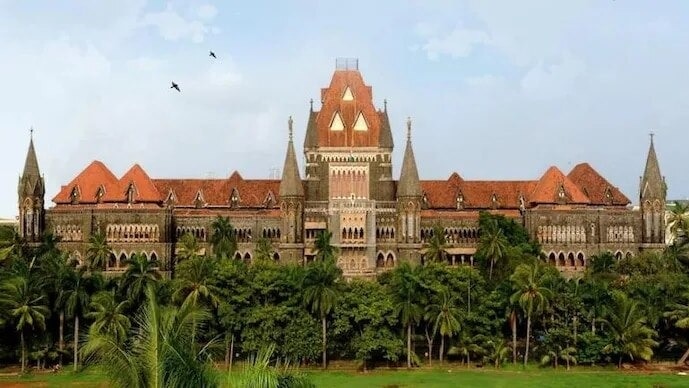
Justice Madhav Jamdar of the Bombay High Court has criticized the Mumbai Police for their selective targeting of only two petitioners in connection with the Babri Masjid demolition. The judge pointed out that activists from other political parties also participated in the same protests. He questioned how stating that the Babri Masjid should not have been demolished could be considered anti-national. The court's remarks came during a hearing where the police had sought to prosecute the petitioners under stringent anti-terror laws. Justice Jamdar emphasized that the police should have investigated all individuals involved in the protests, not just a select few. The judge's comments highlight concerns about fairness and due process in the investigation. This judicial observation underscores the importance of impartial law enforcement and equitable treatment under the law. The case involves individuals accused of participating in protests related to the demolition of the Babri Masjid, a highly sensitive historical event in India.
The Bombay High Court's observations raise critical questions about prosecutorial discretion and the potential for political influence in law enforcement. By highlighting the selective targeting of petitioners, the court implicitly suggests that the police's actions may have been driven by factors other than purely objective evidence. The judge's query regarding the definition of 'anti-national' in this context challenges the state's narrative and prompts a re-evaluation of dissent within democratic frameworks. This judicial scrutiny serves as a vital check on state power, encouraging a more balanced approach to investigations and prosecutions, particularly in cases with significant political and historical ramifications. The judiciary's role here is to ensure that legal processes are applied impartially, preventing the weaponization of law against perceived opponents and upholding the principles of justice for all citizens.
AI-generated to prompt reflection — not editorial opinion, not advice, not a statement of fact. How this works.