Bonaire's Coral Reefs Critically Endangered, Less Than 10% Remain
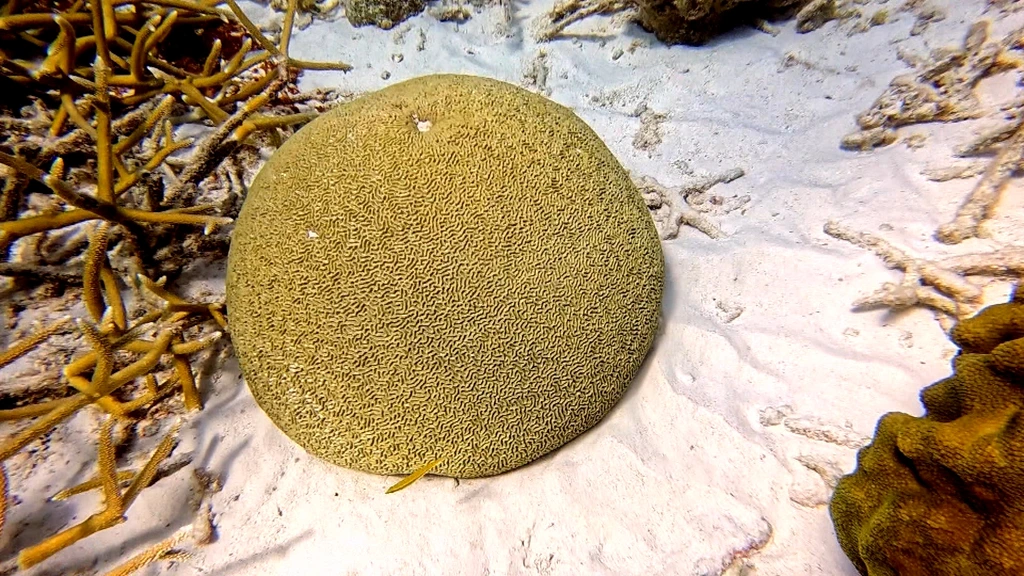
Coral health around Bonaire, a Dutch municipality in the Caribbean, has significantly deteriorated in recent years, with less than 5% of the seabed now covered by coral, according to Dutch scientists. This marks a dramatic decline from over 60% coverage fifty years ago. The primary driver of this decline is the warming of ocean waters, exacerbated by human CO2 emissions from fossil fuels and intensified by recent El Niño events. Coral researcher Erik Meesters of Wageningen University and Research noted that severe ocean warming during a strong El Niño caused widespread coral death, with climate change also increasing susceptibility to diseases due to higher water temperatures and bacterial growth.
New field research, building on data from 2017, indicates a continued decline. Local marine park manager Leonel Martijn, who has managed Bonaire's coral for Stinapa since 1969, observes that the once-abundant coral is now scarce. While Meesters believes coral can be saved, immediate action is crucial, including a rapid transition away from fossil fuels and extensive restoration projects. Organizations like Reef Renewal are cultivating and replanting coral fragments, having planted 20,000 pieces so far, though acknowledging this is a small-scale effort.
The disappearance of coral poses a severe economic threat to Bonaire's tourism sector, particularly dive schools, which rely heavily on the vibrant reefs. Guersley Anthony of Buddie Dive expressed concern for his job, as the visual appeal for tourists diminishes. While some hardy, fast-growing coral species, dubbed 'weed corals', persist, the large, reef-building corals that once characterized the area are largely gone.
The severe degradation of Bonaire's coral reefs highlights the profound, cascading impacts of global climate change on marine ecosystems and dependent economies. The scientific consensus points to rising sea temperatures, driven by anthropogenic CO2 emissions, as the principal threat, with El Niño events acting as acute stressors. This situation underscores a systemic challenge: while local restoration efforts like those by Reef Renewal are vital for maintaining biodiversity and providing hope, their efficacy is fundamentally constrained by the lack of global climate action. The economic reliance of Bonaire's tourism sector on healthy reefs presents a stark vulnerability, illustrating how environmental degradation translates directly into socio-economic precarity. Future resilience will necessitate not only continued local conservation and restoration but, critically, a global commitment to decarbonization to mitigate the root causes of ocean warming and acidification.
AI-generated to prompt reflection — not editorial opinion, not advice, not a statement of fact. How this works.
