Bone Marrow Donor and Recipient Become Friends After Transplant, Called 'Genetic Twins'
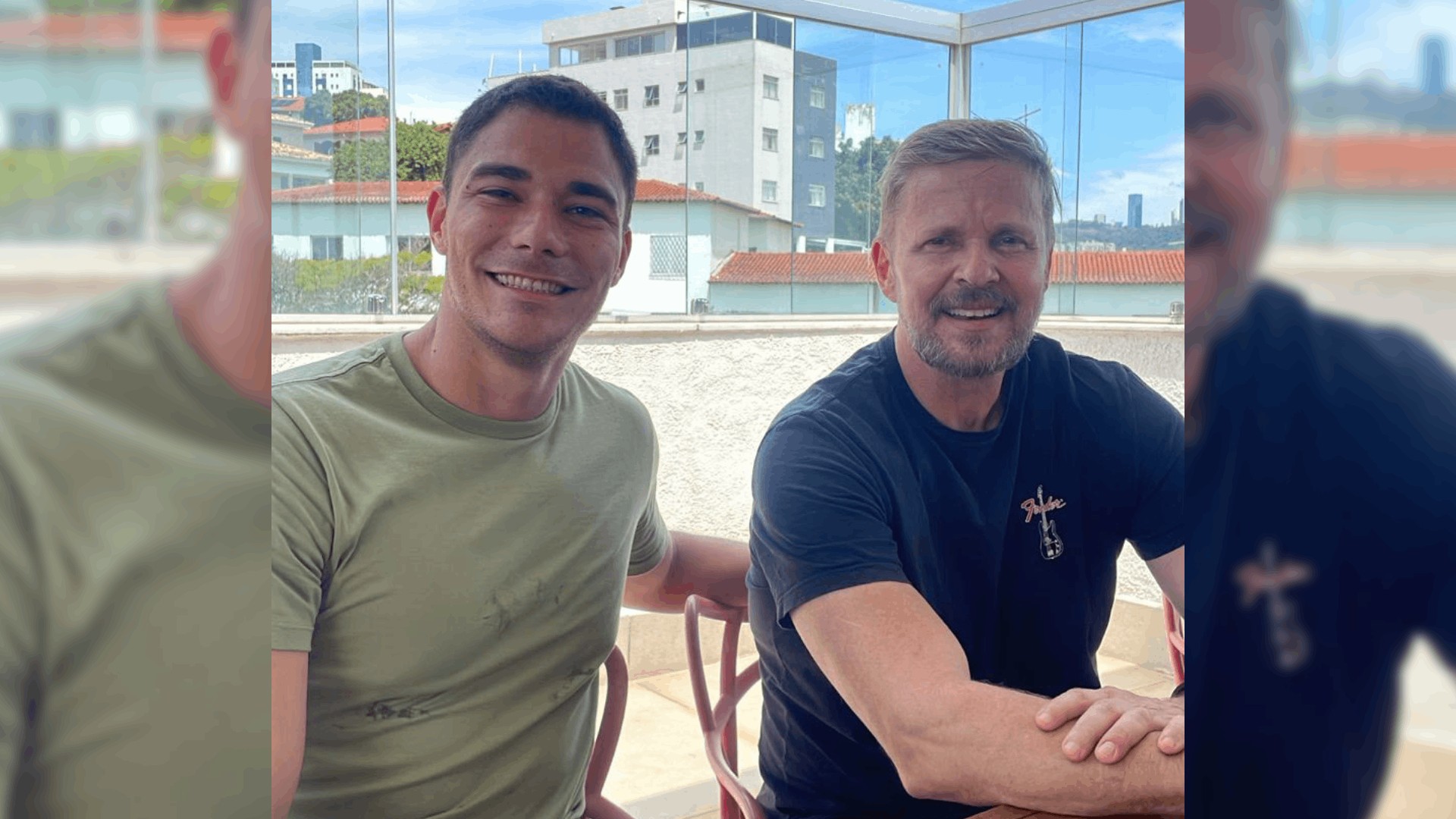
Neylor Chagas and Tharsis Paiva, who had never met, developed a deep friendship after Paiva donated bone marrow to Chagas in 2023. Chagas was diagnosed with acute myeloid leukemia, an aggressive cancer requiring a bone marrow transplant for a chance at recovery. The procedure took place on June 30, 2023, at a hospital in Belo Horizonte, Minas Gerais. Eleven days later, the transplant was successful, with Chagas's body responding positively. Initially, both donor and recipient remained anonymous as per protocol, with contact only permitted after 18 months, subject to mutual consent. Chagas initiated contact through the National Registry of Bone Marrow Donors (Redome) after the waiting period, expressing a desire to meet his donor. Paiva reciprocated the interest, leading to their meeting and the surprising development of their friendship. Their families have also bonded, and they have traveled together. Chagas described Paiva as a kind and generous person, while Paiva considered meeting Chagas a bonus, referring to him as a 'genetic twin' and a 'blood brother.' This story highlights the profound impact of bone marrow donation, as over 2,600 people are currently awaiting transplants in Brazil. The process for becoming a donor involves registering between the ages of 18 and 35, with Paiva emphasizing that the procedure is simpler and less painful than often feared.
This narrative powerfully illustrates the human connection forged through altruistic medical donation, transcending initial anonymity. The story highlights the critical role of national registries like Redome in facilitating life-saving transplants and fostering post-procedure relationships. From a systemic perspective, the success of such programs hinges on sustained public awareness and donor engagement to address the ongoing need for compatible matches. The personal accounts underscore the psychological benefits for both recipients, who gain a second chance at life, and donors, who experience profound fulfillment. Future advancements in transplant technology and donor matching algorithms could further streamline these processes, potentially reducing waiting times and increasing success rates, while continuing to emphasize the ethical considerations of donor anonymity and consent.
AI-generated to prompt reflection — not editorial opinion, not advice, not a statement of fact. How this works.