Bonito CineSur Festival Concludes, Celebrating Latin American Cinema and Local Talent
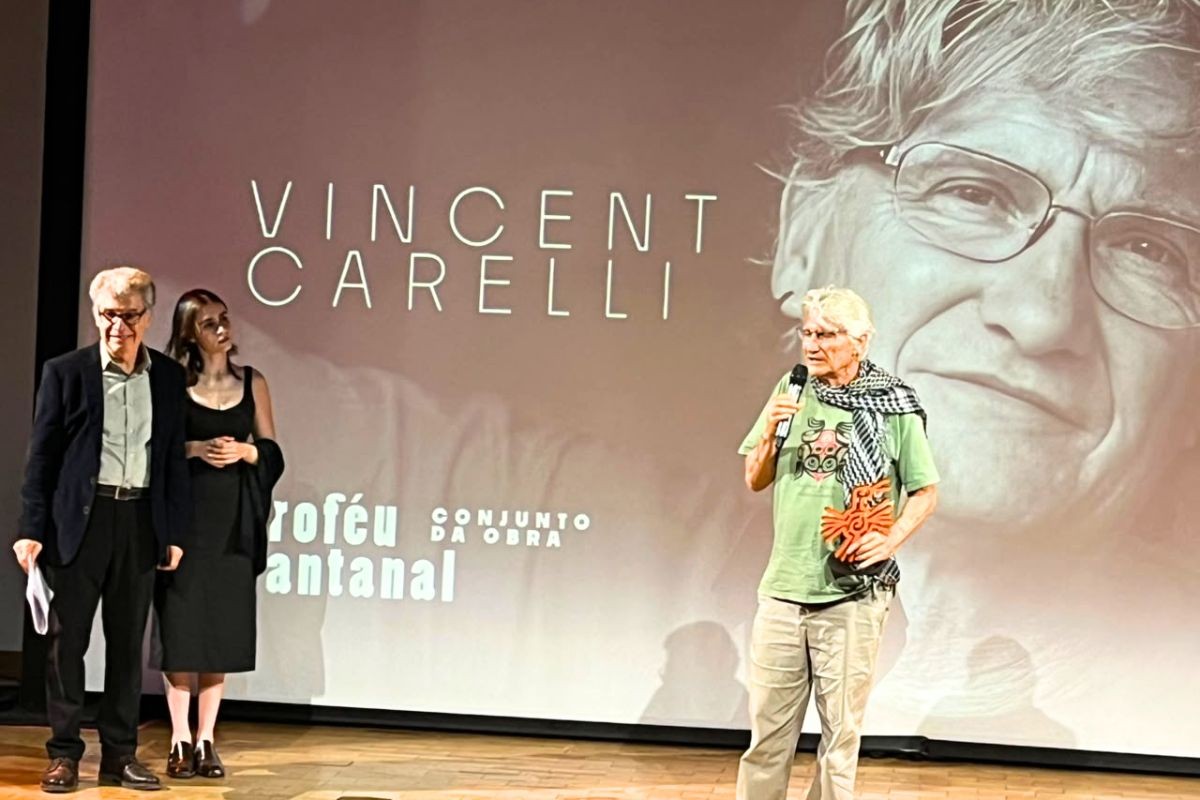
The Bonito CineSur Festival, a South American film event held in Bonito, concluded on Saturday, October 1st, after several days dedicated to art and cinema. The closing ceremony featured prominent actors Valentina Herszage and Paulo Betti, and celebrated Latin American filmmaking with an emphasis on representation and emotion. Colombian director Alejandro Calderón was a major winner, securing three awards for his environmental films, including "Hipopótamos: El Arca de Escobar" for Best Environmental Short Film and "Páramos II: El Origen" for Best Environmental Feature Film, as chosen by both the official jury and popular vote. The festival also highlighted cinema from Mato Grosso do Sul, with two distinct films receiving accolades. "Higa Ke – Olho por Olho," a documentary about photographer Roberto Higa, was honored by the audience as the best film from the state, recognizing Higa's role in documenting the region's history. The official jury selected "Natasha," a queer road movie adapted from a series and starring drag queens, as the best film in the Sul-Mato-Grossense showcase, celebrating themes of love, friendship, and belonging. Director Tiago Rotta expressed that the award for "Natasha" signifies the recognition of diverse stories and characters often underrepresented in audiovisual media, advocating for greater visibility for indigenous, LGBTQIA+, trans, and other marginalized groups. The event also paid tribute to documentarian and indigenous rights advocate Vincent Carelli with the Troféu Pantanal, acknowledging his extensive work. Carelli used the platform to voice his concerns about the ongoing "genocide" faced by indigenous communities, particularly the Guarani-Kaiowá in Mato Grosso do Sul. Both Herszage and Betti praised the festival's organization and the unique natural setting of Bonito, reinforcing the city's growing reputation as a cultural hub alongside its ecotourism prominence.
The Bonito CineSur Festival successfully leveraged its unique natural setting to foster cultural exchange and showcase diverse cinematic narratives, including those addressing LGBTQIA+ themes and indigenous rights. The event's structure, which included both jury and popular awards, alongside tributes to influential figures like Vincent Carelli, demonstrates a commitment to broad audience engagement and the recognition of significant contributions to documentary and social justice filmmaking. While celebrating local and regional talent from Mato Grosso do Sul, the festival also provided a platform for international filmmakers, notably from Colombia, highlighting the interconnectedness of artistic expression across South America. The inclusion of environmental film categories reflects a growing trend in cinema to address ecological concerns, aligning with global sustainability dialogues. The festival's success suggests a viable model for cultural events that blend artistic promotion with tourism, potentially strengthening regional economies and cultural identity.
AI-generated to prompt reflection — not editorial opinion, not advice, not a statement of fact. How this works.