Book Explores Private Life Through the History of the Home
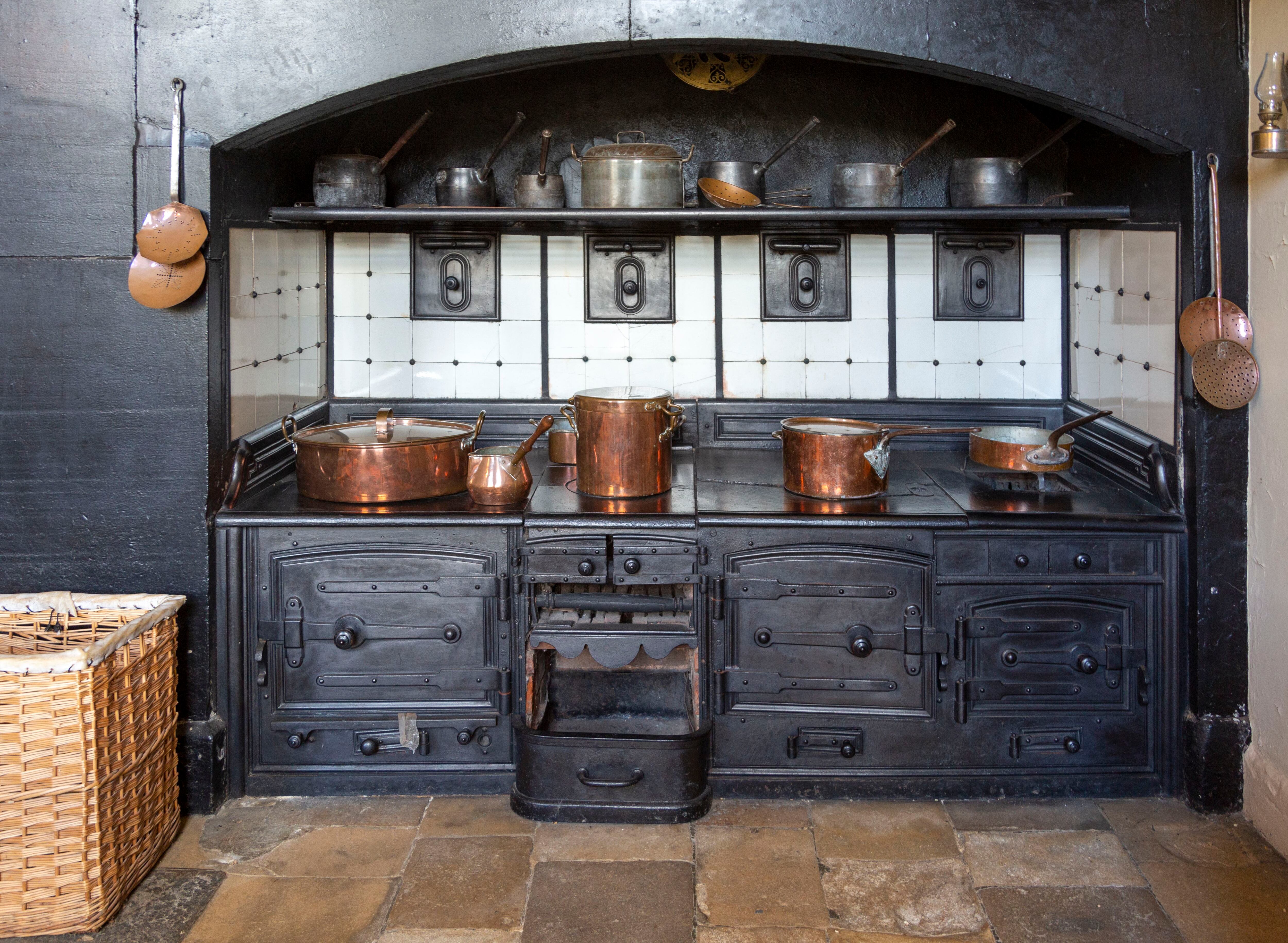
Lucy Worsley's book, 'If Walls Could Talk,' delves into the history of private life by examining the evolution of the home and its primary rooms. The narrative traces domestic history through the distinct spaces of the bedroom, living room, bathroom, and kitchen. Worsley, a historian and author, uses these intimate settings to reveal how societal norms, technological advancements, and personal habits have shaped domestic life over time. The book offers insights into the changing functions and meanings of these spaces, reflecting broader social and cultural transformations. It provides a unique perspective on the domestic sphere, often overlooked in traditional historical accounts. The exploration moves from the earliest forms of domestic arrangements to more modern configurations. Worsley's approach highlights the home as a microcosm of society. The book aims to illuminate the hidden stories within our living spaces.
This book offers a historical lens on domestic spaces, reframing the home as a site of evolving social practices and technological integration. By focusing on specific rooms, it allows for an examination of how privacy, comfort, and social status have been negotiated within the private sphere across different eras. Understanding these historical shifts in domestic architecture and usage can provide context for contemporary discussions about housing, family life, and the impact of modern technologies on our living environments. The analysis of these spaces may reveal underlying continuities and changes in human behavior and societal structures, prompting reflection on the future design and purpose of our homes in the coming decades.
AI-generated to prompt reflection — not editorial opinion, not advice, not a statement of fact. How this works.