Book 'Insurreição na garganta' analyzes Elza Soares' voice as a 21st-century political tool
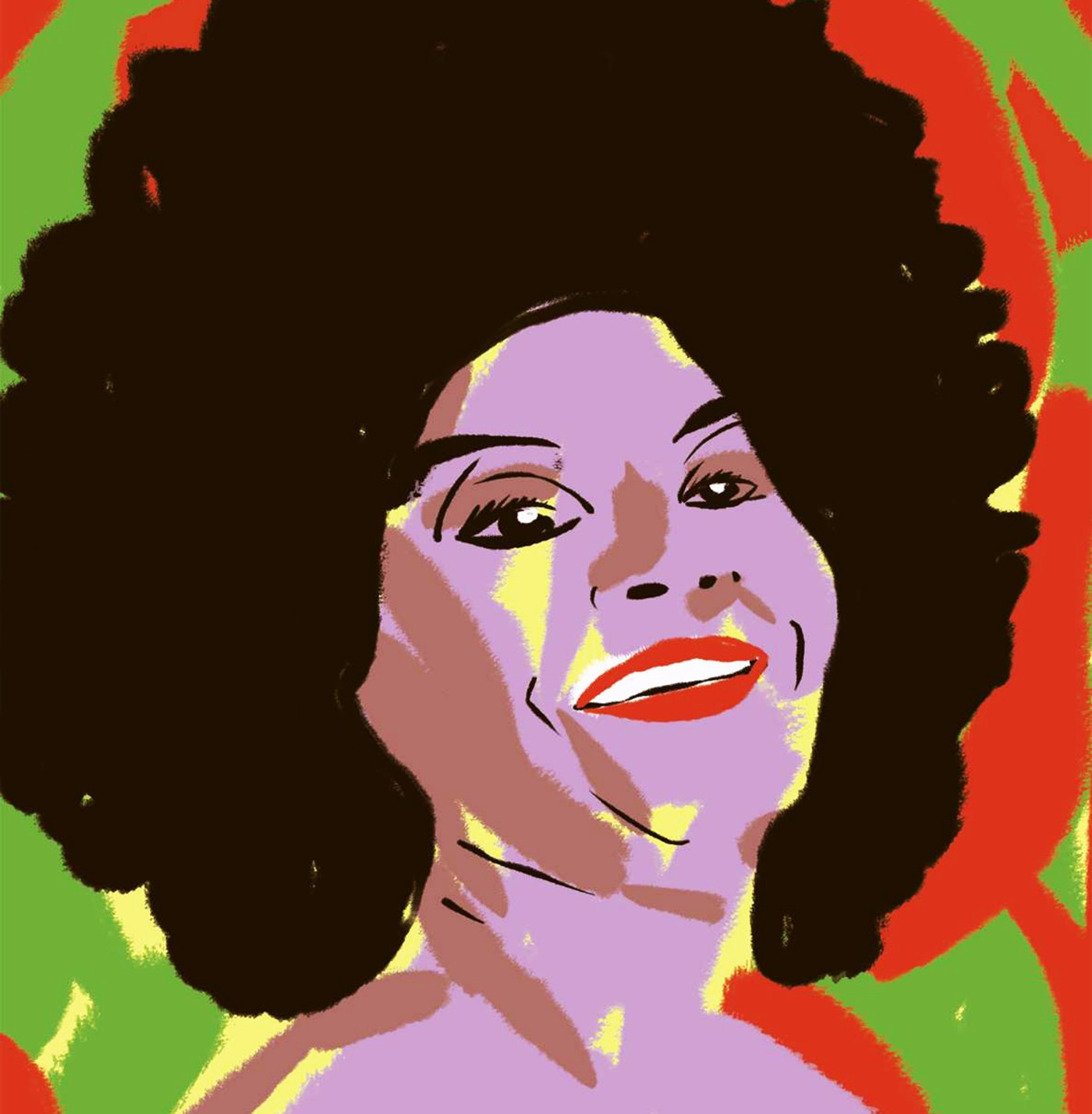
The book 'Elza Soares – Insurreição na garganta' by journalist Lígia Moreli explores the powerful voice and body of the late Brazilian singer Elza Soares (1930-2022) as instruments of political struggle. Moreli's work, published by Edições Sesc, highlights how Soares's music became a significant platform for addressing issues of racism, violence against women, and other identity-based causes, particularly from 2015 onwards. This period marked a pivotal resurgence for Soares with her album 'A mulher do fim do mundo,' which redefined her public image from a 1960s samba-singer stereotype to a more politically charged artist. The book emphasizes the rupture this 2015 album created, reshaping Soares's discography and solidifying her image as the 'woman from the end of the world.'
Moreli's narrative captures Soares's transition into an era where artists could directly control their narratives through social media, bypassing traditional media gatekeepers. The analysis focuses on the politicized repertoire of 'A mulher do fim do mundo' and Soares's impactful performance at Rock in Rio in 2019. Through chapters like 'Elza in the 21st Century' and 'Poetics of Insurrection in the Throat,' the book illustrates how Soares used her voice to speak out against silence and champion causes like Black feminism. While focusing on her post-2015 impact, the book also revisits earlier moments in Soares's career where she defied expectations and survived by singing, ultimately transcending to become a symbol of resilience for Black voices in music.
This book's analysis of Elza Soares's later career positions her artistic output as a potent political force in the 21st century, particularly in the context of Brazil's evolving media landscape. The shift in her public perception, amplified by the digital age and social media, allowed Soares to reclaim her narrative and engage directly with pressing social issues. This case study offers insights into how artists can leverage evolving communication channels to amplify their messages and challenge established stereotypes, demonstrating the enduring power of music as a vehicle for social commentary and identity affirmation across generations. The analysis prompts consideration of how systemic barriers faced by marginalized artists can be overcome through strategic use of emerging platforms and a conscious evolution of artistic identity.
AI-generated to prompt reflection — not editorial opinion, not advice, not a statement of fact. How this works.