Book Reveals Trump's Cabinet Picks Based on Looks, Not Qualifications
A book by Maggie Haberman and Jonathan Swan, "Regime Change," details how former President Donald Trump selected cabinet members based on their appearance and perceived on-screen presence, rather than their qualifications. In November 2024, at his Mar-a-Lago club, Trump reviewed candidates with their photos, biographies, and TV appearances displayed on eight screens. He admired John Ratcliffe, a potential CIA director, remarking he looked like Cary Grant and was perfectly cast for the role, subsequently appointing him. Pete Hegseth, a Fox News commentator with a history of alcoholism and no executive experience, was chosen as Secretary of Defense because Trump felt he "looked so good on camera." Similarly, Robert O'Brien and Robert Kennedy were selected for roles based on their perceived attractiveness and star quality.
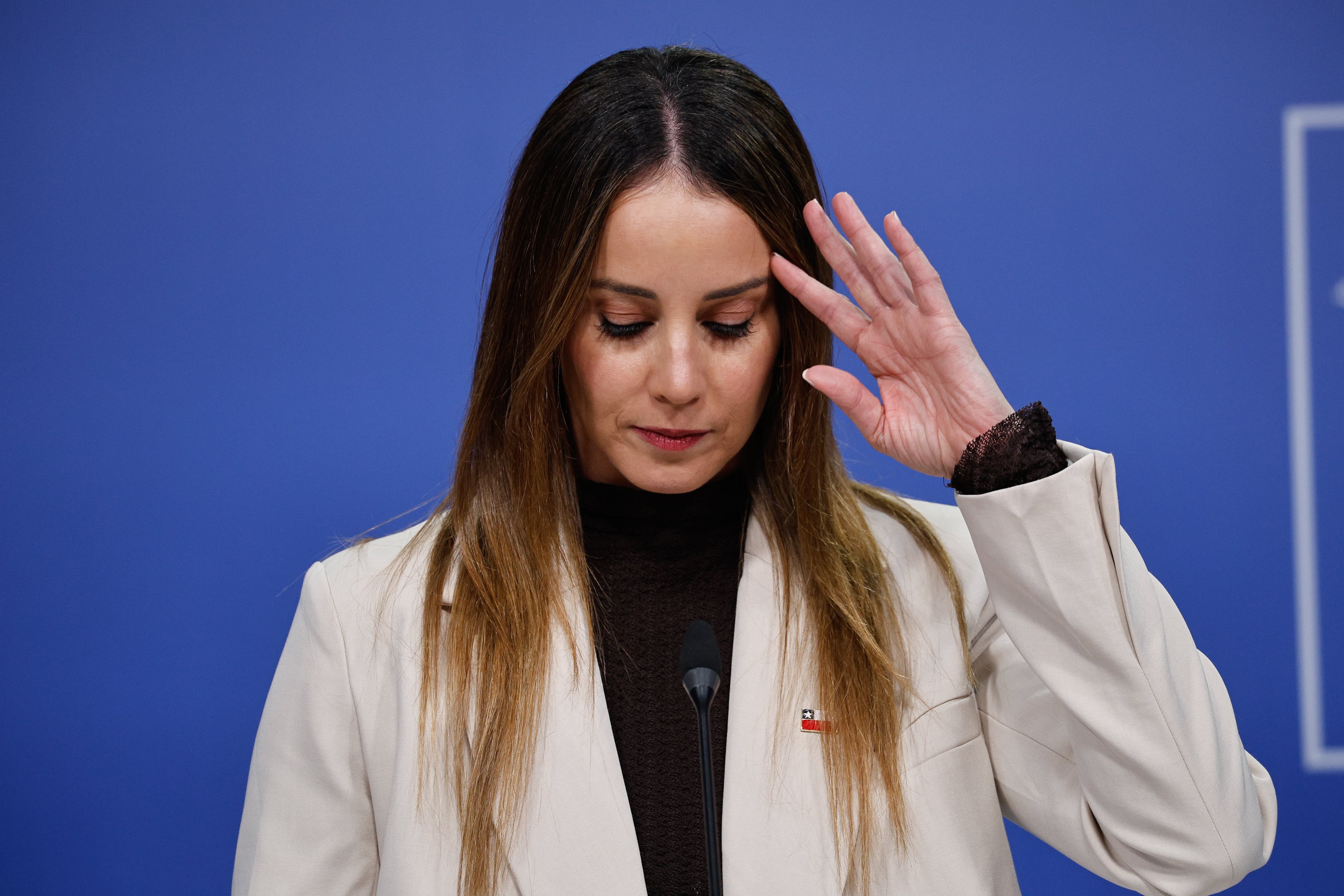
This practice illustrates a broader trend where politicians prioritize the appearance of competence over actual political skill. Instead of focusing on effective governance and policy implementation, many now aim to merely simulate doing politics. This requires candidates to fit a specific mold, akin to a Hollywood casting call, rather than possessing the necessary expertise for the job. The article draws a parallel to a situation involving Mara Sedini, a former government secretary, and advisor Alejandro Irarrázaval, who allegedly told her to "act" in her role, implying she should simulate competence despite lacking the necessary qualifications. While other male appointees were chosen for their perceived ability to perform their duties, Sedini, the only woman on the political team, was allegedly selected for her appearance and ability to perform a role, not for substantive policy leadership. The author contrasts this with Camila Vallejo, a successful spokesperson who possessed genuine political experience and ideological depth, unlike Sedini, who lacked any prior political or policy background but was chosen for her youth, telegenic appearance, and campaign performance.
The article criticizes the notion that a female politician's success hinges on being young and photogenic, rather than on substantive qualifications. Sedini's brief tenure and subsequent public statements, where she blamed others for her failures and demonstrated a lack of basic knowledge, are presented as evidence of this flawed approach. The author suggests that Chilean politics is filled with such "political simulators" who excel at creating online personas and performative outrage for media consumption, while lacking genuine legislative or policy understanding. These individuals, funded by public money, are seen as contributing to a political circus, and Sedini's failure stemmed from accepting a public role that demanded a higher standard of accountability than what is often seen in Congress.
The article critiques a trend where political appointments and perceived competence are increasingly judged by superficial attributes like appearance and media performance, rather than substantive qualifications and experience. This phenomenon, exemplified by alleged practices of former President Trump and within Chilean politics, suggests a shift from governance to performance. The underlying incentive structure may favor candidates who can generate public attention and project an image of capability, potentially at the expense of effective policy-making and public service. This dynamic raises questions about accountability and the criteria for leadership in an era where digital presence and curated personas can overshadow genuine expertise. The long-term implications could include a decline in governance quality and public trust, as citizens may become disillusioned with leaders who prioritize simulation over substance.
AI-generated to prompt reflection — not editorial opinion, not advice, not a statement of fact. How this works.