Bookstores See Surge in 'Odyssey' Sales Following Christopher Nolan Film Release
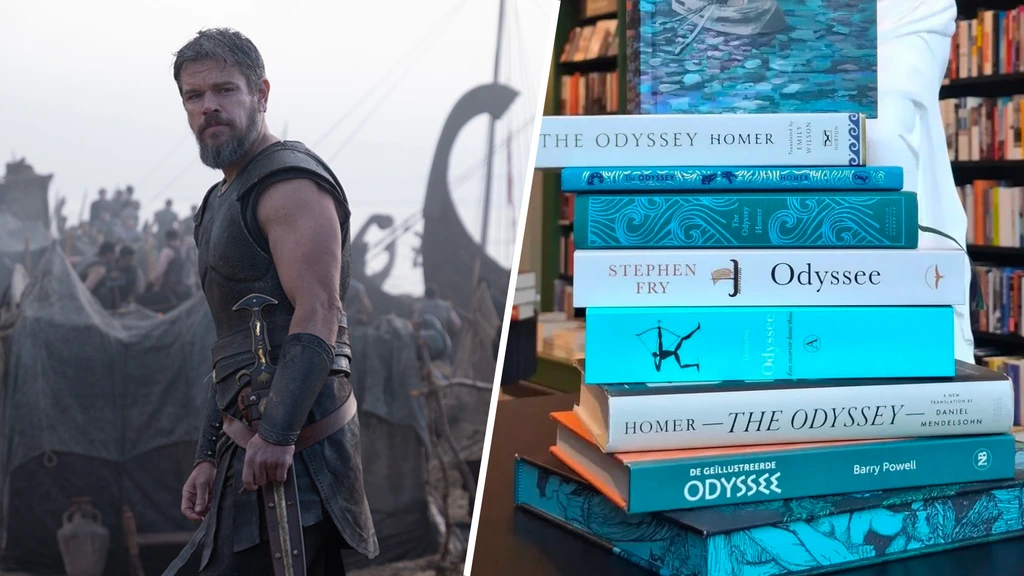
Dutch bookstores are experiencing a significant increase in sales of "The Odyssey" translations and retellings following the release of Christopher Nolan's film adaptation. The epic poem's timeless story of Odysseus's journey is captivating both young and old readers, with booksellers reporting unexpectedly high demand. At Boekhandel Scheltema in Amsterdam, "The Odyssey" translations, once relegated to the ancient history section, are now prominently displayed on a large table, indicating their newfound popularity. Isis Fawzy, a buyer for Scheltema, noted that sales are proceeding at a pace far exceeding initial expectations.
The renewed interest is directly linked to Nolan's blockbuster film, which premiered in the Netherlands on July 16 and drew 200,000 viewers in its opening days. Fawzy highlighted that many customers are now inquiring about and purchasing translations and retellings of the epic. Notably, the 2017 translation by professor Emily Wilson has become exceptionally popular, as Nolan specifically cited it as an inspiration. Previously selling fewer than five copies per month, Wilson's translation is now selling dozens weekly and has sold out at all six Scheltema branches, necessitating a reprint. Fawzy described Wilson's version as more accessible than older Dutch editions, making it an excellent entry point for those unfamiliar with classical epics.
Other "Odyssey" editions, including those from Penguin and Stephen Fry's retelling, are also selling briskly, as reported by other bookstores like Van der Meulen's in Alkmaar. Inge Oudejans from Van der Meulen's observed a particular surge in interest among younger readers who want to read the book after seeing the film. Toni Melenhorst, manager of Nawijn & Polak in Apeldoorn, expressed delight that the 2700-year-old epic is attracting a younger demographic, especially those aged 20 to 35, which he believes adds valuable dynamism to the book industry. Even illustrated and limited editions are performing well. Bookstores like Donner in Rotterdam have also noted the "Odyssey effect," with sales of Fry's English version increasing from 14 in June to 63 in the current month, and its Dutch translation rising from one sale to 24. Publishers are capitalizing on this trend, with Athenaeum releasing a special film-themed edition. The film's popularity has also extended to social media, with "Booktokkers" recommending related reading material, further amplifying the "Odyssey" hype.
The surge in "The Odyssey" book sales following Christopher Nolan's film adaptation illustrates a powerful synergy between cinematic releases and literary consumption. This phenomenon highlights how visual media can effectively reintroduce classic narratives to contemporary audiences, particularly younger demographics, by providing an accessible entry point. The strategic placement and marketing of these books by retailers, alongside influencer engagement on platforms like Booktok, demonstrate adaptive business strategies that leverage cultural moments. This trend underscores the enduring relevance of foundational myths and the capacity of modern storytelling to spark renewed engagement with ancient texts, suggesting a potential model for revitalizing interest in other classic literature through complementary media adaptations. The success also points to the evolving role of digital platforms and social media in shaping reading habits and book market dynamics.
AI-generated to prompt reflection — not editorial opinion, not advice, not a statement of fact. How this works.