Bordeaux Removes Benches in Drug Crackdown, Sparking Public Outcry
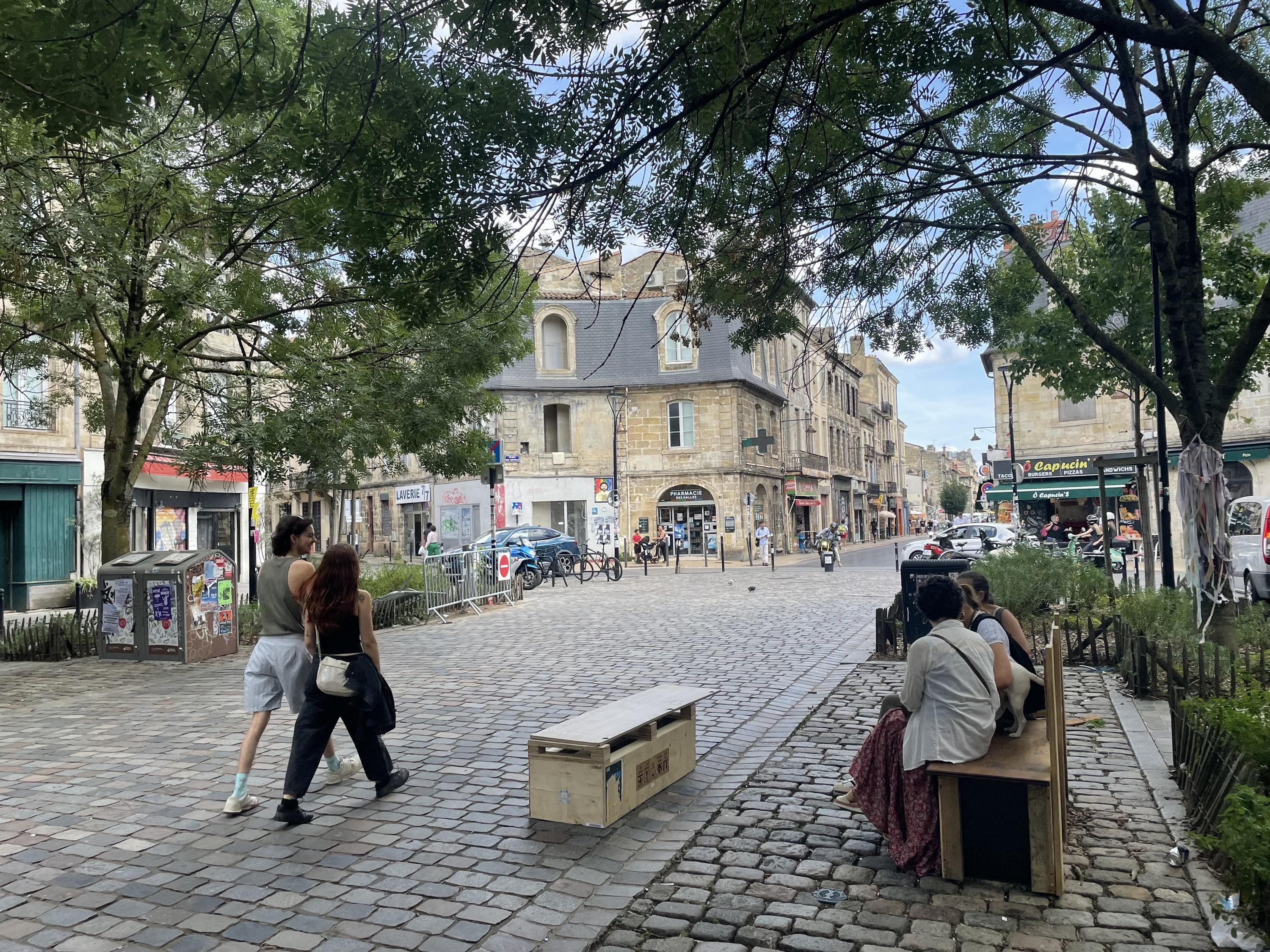
In Bordeaux, France, the removal of public benches and chairs from the Place des Capucins, initially implemented by the city council in the spring as part of an operation against drug dealing, has ignited a citizen protest. For several weeks, residents have been vocally opposing this measure. The city's stated intention was to combat narcotics trafficking by eliminating potential gathering spots for dealers. However, this action has led to a significant public backlash, transforming the anti-drug operation into a dispute over public seating between the local government and the community. The controversy highlights a tension between public safety initiatives and the desire for accessible and functional public spaces.
The city of Bordeaux's decision to remove public benches as a tactic against drug dealing illustrates a common urban governance challenge: balancing public safety objectives with the provision of accessible public spaces. While the intent may be to disrupt illicit activities, such measures can disproportionately affect the general public's use and enjoyment of communal areas. This situation prompts consideration of alternative strategies that address drug trafficking without compromising community infrastructure. Future urban planning might benefit from exploring more integrated approaches, such as enhanced community policing, social support programs for vulnerable populations, and the design of public spaces that inherently discourage illicit use while remaining welcoming to all citizens. The long-term efficacy of removing basic amenities as a crime deterrent warrants careful evaluation against the social cost of diminished public space accessibility.
AI-generated to prompt reflection — not editorial opinion, not advice, not a statement of fact. How this works.