Border Pillars: Symbols of National Pride and Sovereignty
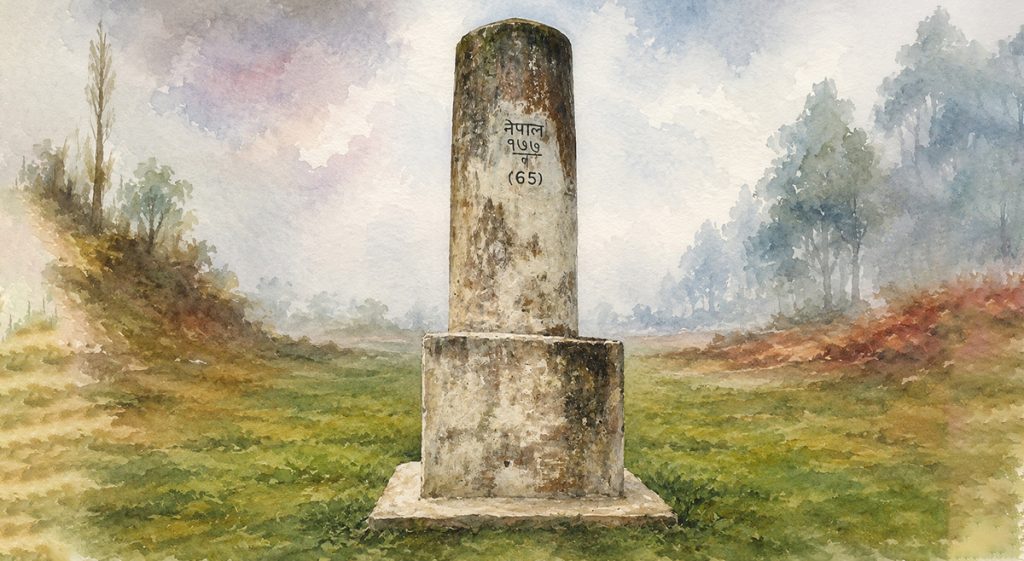
Border pillars stand tall at the frontiers, embodying the nation's pride and sovereignty. These structures, built with the sweat of valiant ancestors, narrate tales of history. They have never bowed their heads, regardless of storms or tempests, symbolizing Nepal's sovereignty. From Mechi to Mahakali, these pillars carry the fragrance of the land, proclaiming tales of Nepali valor to the world. For hundreds of years, they have stood steadfast at the border, guarding the nation's integrity. The continuous defense of the border is an unbroken legacy, a testament to the enduring spirit of the nation.
The border pillars serve as potent symbols of national sovereignty and historical continuity, representing a physical manifestation of territorial integrity. Their enduring presence across generations highlights the importance of clearly defined borders in national identity and security. In the context of geopolitical dynamics and evolving international relations, such markers can become focal points for territorial disputes or, conversely, reinforce peaceful coexistence and mutual recognition. The narrative emphasizes a deep-seated national pride tied to these structures, suggesting their role in fostering a collective sense of belonging and historical consciousness among citizens. Future considerations may involve leveraging these symbols not only for defense but also for cultural exchange and regional cooperation, reinforcing their significance beyond mere demarcation.
AI-generated to prompt reflection — not editorial opinion, not advice, not a statement of fact. How this works.