Border Wall Construction Halted in New Mexico Over Water Concerns
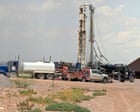
Construction crews building a border wall in New Mexico have been ordered to cease drilling new wells. This directive follows complaints from local residents and farmers who expressed concerns that the pumping of groundwater for concrete production could jeopardize the water supply for nearby communities and livestock. The region is currently experiencing a severe drought, exacerbating these worries. The border wall project, a significant initiative from former President Donald Trump, spans four states and has been allocated over $46 billion in federal funding. This is not the first controversy surrounding the construction, as similar issues have arisen in Texas and California, with residents and environmentalists reporting various problems related to the building process.
The halt in border wall construction due to groundwater concerns highlights a systemic conflict between national infrastructure priorities and local resource management, particularly in ecologically sensitive and drought-prone areas. The substantial federal funding allocated to the project underscores a federal commitment that may not adequately account for regional environmental impacts and the needs of existing communities. This situation prompts consideration of intergovernmental coordination mechanisms and the integration of long-term water sustainability assessments into large-scale federal projects. Looking ahead, the increasing pressures of climate change and population growth will likely intensify such resource conflicts, necessitating more robust frameworks for balancing national security objectives with local environmental stewardship and water rights.
AI-generated to prompt reflection — not editorial opinion, not advice, not a statement of fact. How this works.
