Borrowing $4 Billion to Buy Discounted Apartments: Will Rental Income Cover Bank Interest?
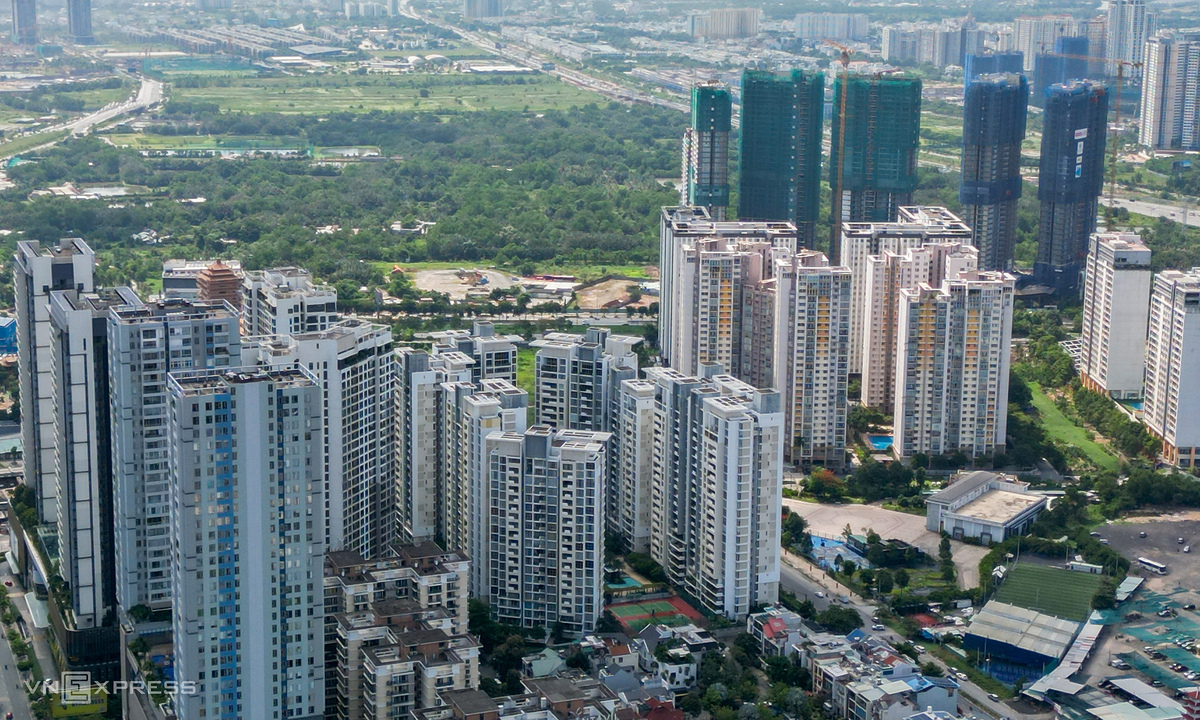
Experts advise potential buyers to carefully assess their cash flow generation capabilities and debt tolerance before purchasing discounted apartments. While a price reduction may seem appealing, it does not guarantee a profitable investment. The decision to borrow a significant amount, such as 4 billion Vietnamese Dong (approximately $160,000 USD), to acquire a property at a loss requires thorough financial planning. Buyers must ensure that the expected rental income is sufficient to cover the monthly interest payments to the bank. Failure to do so could lead to a precarious financial situation, where the property becomes a liability rather than an asset. The current market conditions, characterized by falling property values, necessitate a conservative approach to real estate investment. Buyers should consider all associated costs, including maintenance, taxes, and potential vacancies, in addition to loan repayments. A comprehensive risk assessment is crucial to avoid potential financial distress.
The Vietnamese real estate market's current downturn presents both opportunities and risks for investors. While discounted properties may offer a lower entry point, the underlying economic factors driving price reductions, such as reduced demand or financial distress among sellers, warrant careful consideration. Buyers leveraging debt must rigorously model potential rental yields against interest rate fluctuations and vacancy periods. The incentive structure for developers and lenders, alongside broader macroeconomic policies, will significantly influence the market's recovery trajectory over the next decade. Investors should prioritize financial resilience and long-term value creation over short-term price arbitrage, especially in an era increasingly shaped by technological disruption and evolving consumer behavior.
AI-generated to prompt reflection — not editorial opinion, not advice, not a statement of fact. How this works.
