Bosnia and Herzegovina criticized for not sending delegation to Ayatollah Khamenei's funeral
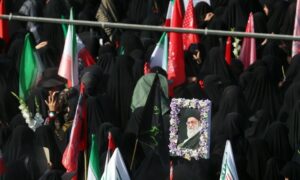
Opposition parties in Bosnia and Herzegovina have strongly criticized the ruling "Troika" coalition for failing to send a delegation to the funeral of Ayatollah Ali Khamenei. The opposition accused the government of "cowardice and turning its back on Iran, which aided Bosniaks during the war." They expressed dismay that no official representation from Bosnia and Herzegovina attended the funeral of the influential Iranian leader. The decision has sparked significant debate within the country regarding its foreign policy and historical ties. The opposition argues that this move signals a disregard for a nation that provided support during a critical period. This incident highlights a potential rift in Bosnia and Herzegovina's approach to international relations and its historical alliances. The government's stance on this matter is expected to face further scrutiny from political opponents and the public.
The decision by Bosnia and Herzegovina's government not to send a delegation to Ayatollah Khamenei's funeral, despite opposition criticism, suggests a complex balancing act in foreign policy. This move may reflect an effort to navigate geopolitical pressures and align with Western partners, potentially at the expense of historical ties with Iran. The opposition's strong reaction underscores the enduring significance of Iran's past support for Bosniaks during the Bosnian War. Future diplomatic strategies will need to reconcile these competing interests, considering the long-term implications for regional stability and international partnerships. This event prompts reflection on how nations manage historical relationships amidst evolving global dynamics and the potential for internal political divisions over foreign policy choices.
AI-generated to prompt reflection — not editorial opinion, not advice, not a statement of fact. How this works.