Bosnian Serb Leaders' Conviction Recalls Croatia's 1990s Actions
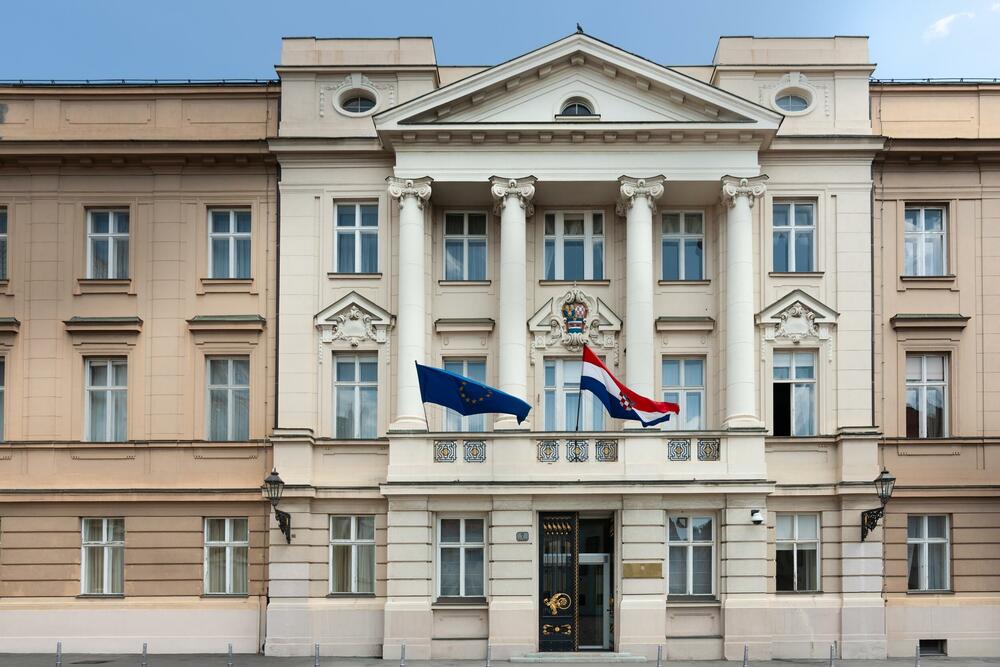
The recent conviction of Bosnian Serb leaders by the Hague tribunal has brought to the forefront the events of the 1990s, a period that Croatian public opinion had seemingly forgotten. This collective amnesia was partly cultivated by political parties across the spectrum, including Milanović's and Bernardić's SDP, as well as HDZ, and even the development of a cult around Franjo Tuđman. Consequently, the public was taken aback by the Hague's verdict against the leaders of Herceg-Bosna. The ruling has prompted a re-examination of Croatia's role and actions during the conflicts of the 1990s, suggesting that a historical reckoning is now underway.
The Hague tribunal's verdict on Bosnian Serb leaders has resurfaced historical narratives concerning Croatia's involvement in the 1990s conflicts. The political cultivation of public memory, across various parties, appears to have contributed to a selective amnesia regarding this period. This event highlights the complex interplay between judicial pronouncements, national identity, and historical interpretation. Future geopolitical stability may depend on how nations reconcile with their past actions, particularly in regions marked by protracted conflict. The long-term implications of such historical reassessments can influence regional relations and the evolution of international justice mechanisms.
AI-generated to prompt reflection — not editorial opinion, not advice, not a statement of fact. How this works.