'Boto Fé no Voto' Campaign Targets Disinformation Ahead of 2026 Elections
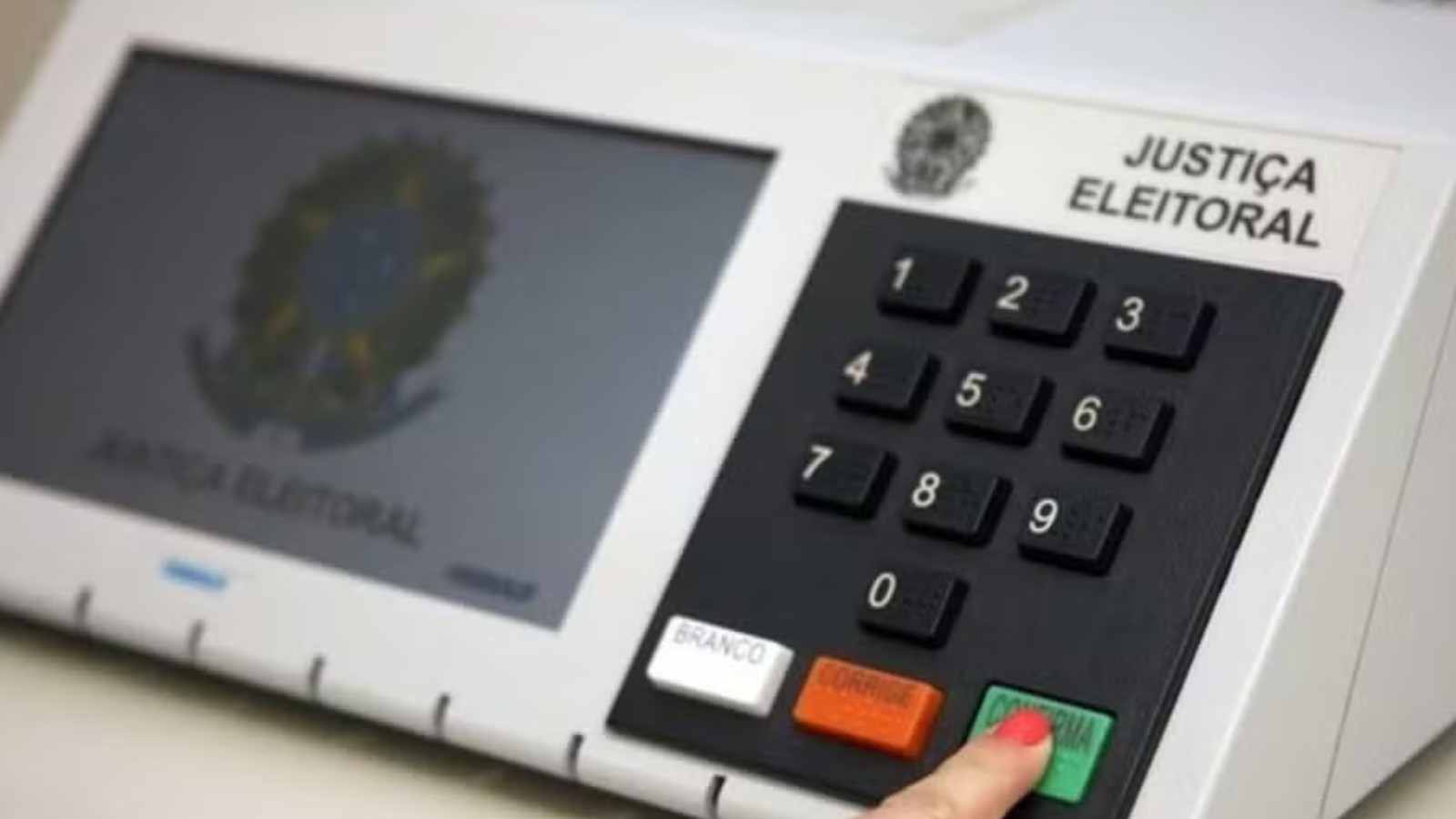
A new national campaign, 'Boto Fé no Voto' (I Believe in the Vote), has been launched to combat disinformation surrounding the 2026 elections in Brazil. Initiated by Christian and ecumenical organizations, the campaign aims to mobilize churches, religious leaders, and congregations to identify and verify false or misleading information. With the slogan 'I choose the truth,' the initiative will also promote access to reliable sources and provide educational content to foster informed voting. The campaign was conceived by the Bereia Collective – Information and Fact-Checking, in partnership with the Ecumenical Service Coordination (Cese) and other ecumenical groups. Its launch event in Brasília brought together religious and civil society representatives to discuss the challenges of communication, faith, and democracy during electoral periods. The campaign plans to produce educational materials, videos, and social media content, alongside dialogue sessions and training for religious leaders, communicators, and journalists throughout the 2026 election cycle. According to Magali Cunha, editor-in-chief of the Bereia Collective, religious communities were chosen due to their significant influence on public opinion and social mobilization, noting that past elections saw the spread of false content within these circles, sometimes exploiting religious symbols. The campaign's objective is not to endorse specific candidates but to strengthen democratic culture through reliable information, civic responsibility, and ethical commitment to truth. The initiative will operate as a network, encouraging organizations and individuals to participate, share materials, and organize local dialogue spaces. The Bereia Collective, active since 2019 in fact-checking religious content, will serve as the primary reference for information verification, relying on public documents, academic research, experts, and official sources. The campaign will also educate religious leaders and communities on their rights and responsibilities during elections, aligning with electoral legislation, while clarifying it is not a regulatory body or a substitute for the Electoral Justice system.
This initiative addresses the critical challenge of disinformation within religious communities, a sector often wielding significant social influence. By focusing on empowering faith-based networks with fact-checking tools and reliable information, 'Boto Fé no Voto' seeks to mitigate the exploitation of religious sentiment for political manipulation. The campaign's decentralized, network-based approach acknowledges the decentralized nature of information dissemination in contemporary society. Its success will likely depend on fostering trust and providing accessible, culturally relevant resources that resonate with diverse congregations. The long-term impact could involve building greater resilience against misinformation across various societal segments, thereby strengthening democratic processes by promoting a more informed electorate.
AI-generated to prompt reflection — not editorial opinion, not advice, not a statement of fact. How this works.