Botticelli's Muse Death Mystery Possibly Solved After 500 Years
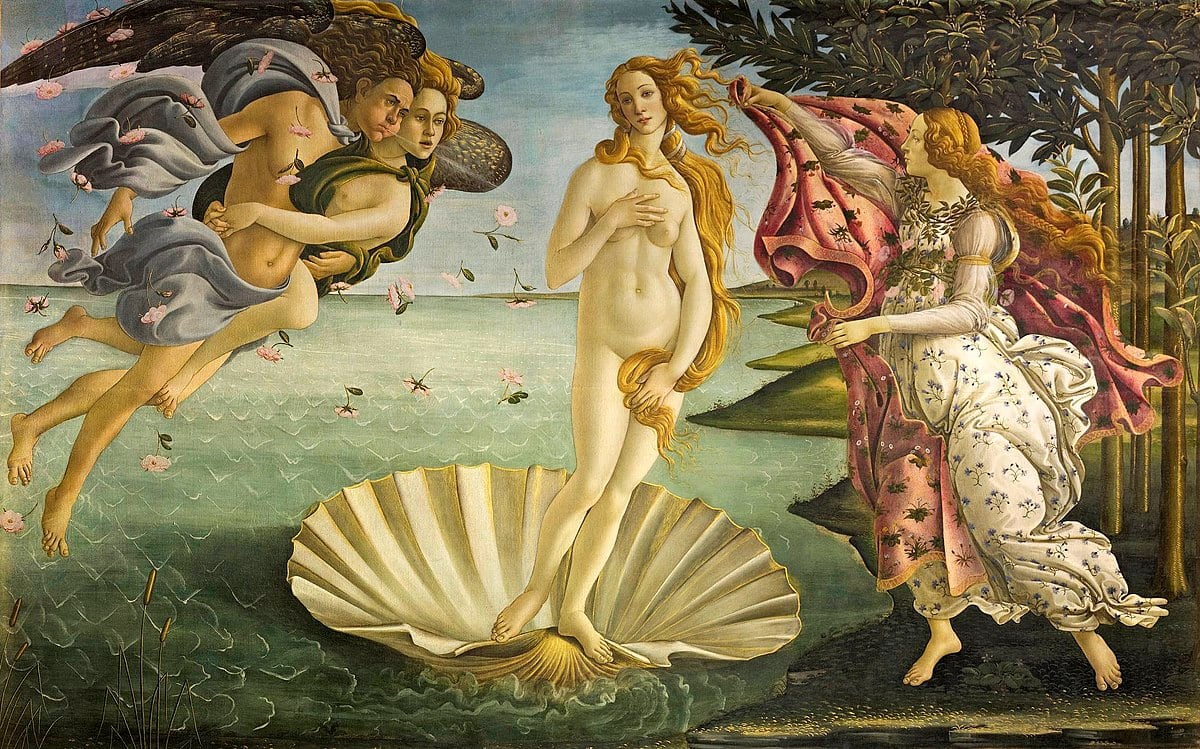
Medical and scientific researchers from Italy, the United States, and the United Kingdom believe they have solved the mystery surrounding the death of Simonetta Vespucci, the muse famously associated with Sandro Botticelli's "The Birth of Venus." Vespucci, who died at the young age of 23, was long rumored to have succumbed to tuberculosis. However, the new findings suggest a different cause of death. The international team of investigators proposes that Vespucci actually died from a pituitary tumor. This hypothesis challenges the prevailing historical narrative and offers a potential new understanding of her untimely demise. The research aims to provide a definitive answer to a question that has puzzled historians and art enthusiasts for over five centuries. The study highlights advancements in medical analysis that can be applied to historical figures, potentially rewriting aspects of art history.
The potential resolution of Simonetta Vespucci's 500-year-old death mystery through medical investigation underscores the evolving capabilities of historical research. By applying modern scientific understanding to past events, such inquiries can refine our comprehension of historical figures and their contexts, moving beyond speculation or prevailing narratives. This approach, grounded in scientific evidence, offers a more objective lens through which to view historical accounts, potentially correcting long-held misconceptions. It also highlights the enduring human fascination with the lives and deaths of influential figures, demonstrating how scientific inquiry can contribute to the richness of cultural and historical understanding.
AI-generated to prompt reflection — not editorial opinion, not advice, not a statement of fact. How this works.