Botucatu Fire Creates Smoke Screen, Spreads Soot Over Homes
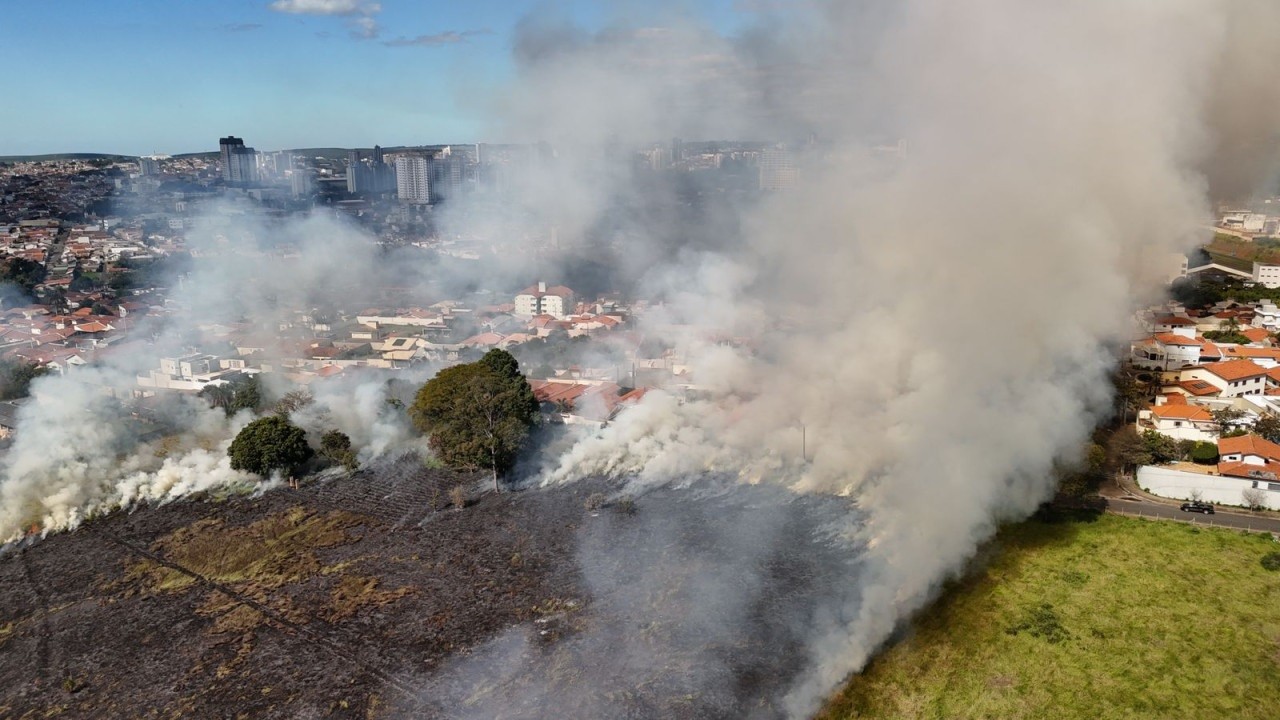
A large-scale fire erupted in a pasture area in the Recanto Azul neighborhood of Botucatu, São Paulo, on Thursday, May 2nd. The blaze generated a dense smoke screen, significantly reducing visibility and causing soot to settle on nearby houses. Fortunately, no injuries were reported. Civil Defense authorities stated that the fire approached residential areas but was successfully contained by emergency services before reaching any homes. Firefighters, Civil Defense teams, and Military Police collaborated to combat the flames. The thick smoke was visible from various parts of the city, causing distress to residents, with one homeowner noting respiratory issues due to the smoke entering even closed residences. Lucas Trombaco, coordinator of Civil Defense in Botucatu, highlighted the importance of pre-drought planning, including the creation of firebreaks (aceiros), which facilitated vehicle access for firefighting efforts. He also emphasized that while the area was private property, landowners are responsible for terrain maintenance. No human or animal casualties occurred. Trombaco stressed the need for public vigilance during the severe dry season, urging residents to maintain their properties, avoid open burning, exercise caution with bonfires during the June festivities, and dispose of waste properly. He advised immediate reporting of any smoke signals to emergency services. The cause of the fire is under police investigation to determine responsibility.
This incident underscores the recurring challenge of pasture fires, particularly during dry seasons, which pose significant risks to urban peripheries. The effective containment by emergency services, aided by pre-existing firebreaks, demonstrates the value of proactive land management and emergency preparedness strategies. However, the event also highlights systemic issues: the reliance on private landowners for terrain maintenance, the potential for human activity (such as bonfires or improper waste disposal) to trigger such events, and the environmental impact of smoke pollution on public health. Future considerations should include enhanced public awareness campaigns on fire prevention, potentially stricter regulations for land management in high-risk zones, and improved early detection systems to mitigate the spread and impact of such fires in an era of increasingly unpredictable weather patterns.
AI-generated to prompt reflection — not editorial opinion, not advice, not a statement of fact. How this works.