Bovine Rabies Case Confirmed in Rural Acre Property
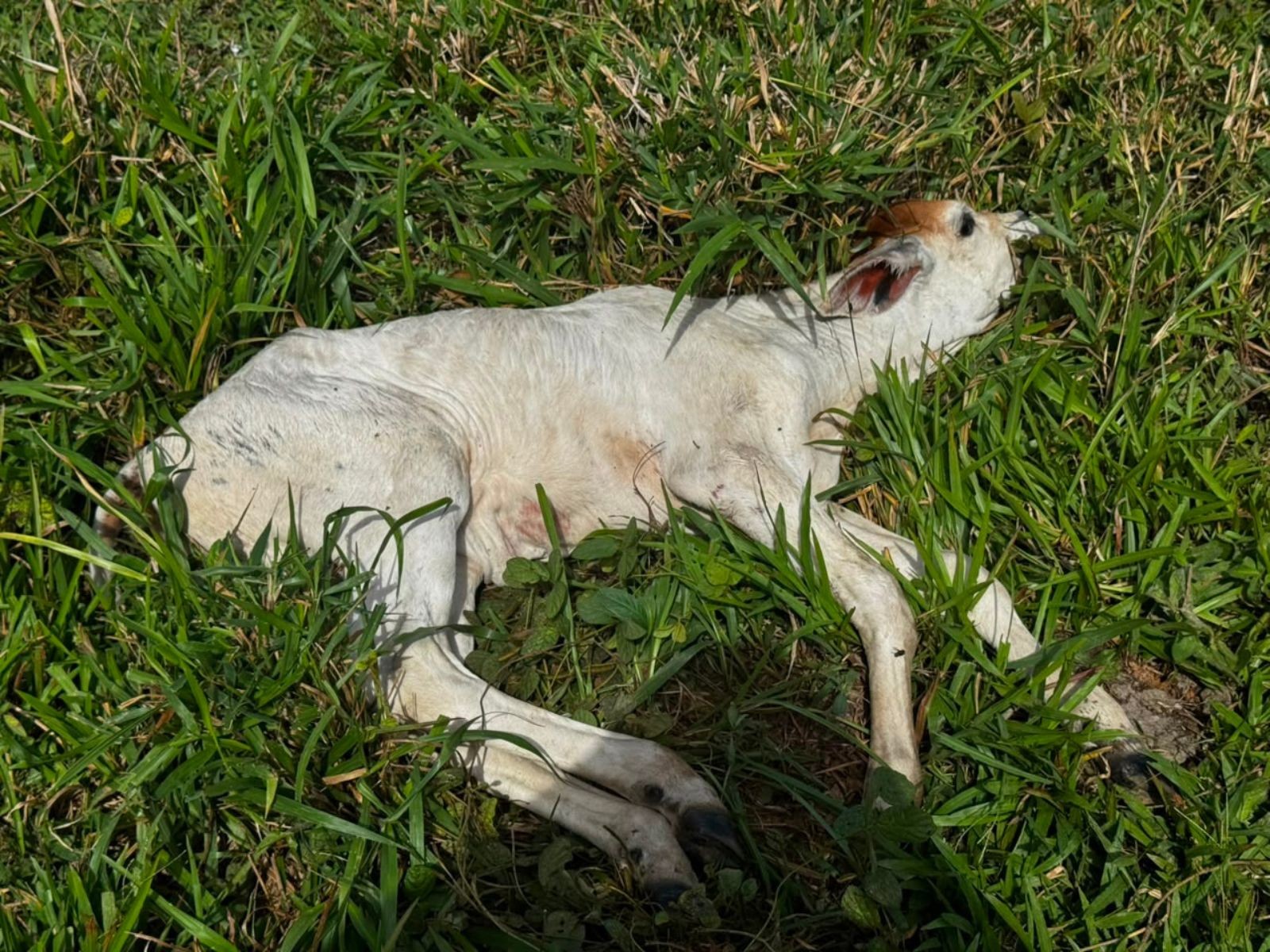
A case of bovine rabies has been confirmed on a rural property in Tarauacá, in the interior of Acre, Brazil. The diagnosis was verified by laboratory examination on Tuesday, February 7th, and the Acre Institute for Agricultural and Forest Defense (Idaf) has initiated control measures. The affected animal unfortunately died from the disease. The property and a 12-kilometer radius around it have been designated a disease focus, requiring mandatory vaccination for all livestock in the area. This marks the first confirmed case of bovine rabies in 2026.
According to Idaf, the animal exhibited neurological symptoms prior to its death, prompting technicians to collect brain tissue samples for analysis. Following confirmation, surveillance teams were deployed. Idaf has begun monitoring other properties within the designated zone for animals showing similar symptoms and issuing vaccination notices. Producers are strongly advised against direct contact with or handling of suspected rabid animals, and to immediately report any such cases to Idaf. The Secretariat of Health (Sesacre) has also been notified to assess individuals who may have had contact with the infected bovine, providing medical evaluations, rabies vaccinations, and serological tests as necessary. Dogs and cats on the affected property will also be vaccinated as a preventive measure.
Beyond this specific incident, Idaf has received five other notifications of animals with neurological symptoms across different municipalities in Acre this year. Two of these samples tested positive for rabies, while others remain under investigation. Suspected cases are also being monitored in Assis Brasil, Cruzeiro do Sul, and Feijó. In the previous year, confirmed cases were recorded in Mâncio Lima in July 2025 and Cruzeiro do Sul in early August 2025.
The confirmation of bovine rabies in Acre highlights the ongoing challenge of managing zoonotic diseases in rural agricultural settings. Public health and agricultural agencies are implementing standard containment protocols, including quarantine, mandatory vaccination, and human health assessments for exposed individuals. The reliance on laboratory confirmation after animal death underscores the critical need for rapid diagnostic capabilities and proactive surveillance to mitigate disease spread. Future strategies could explore enhanced bat surveillance, improved early detection methods for neurological symptoms in livestock, and streamlined communication channels between agricultural and health sectors to swiftly address potential outbreaks and protect both animal and human populations. The occurrence of multiple suspected cases in different municipalities suggests a broader regional risk that warrants sustained monitoring and resource allocation.
AI-generated to prompt reflection — not editorial opinion, not advice, not a statement of fact. How this works.