Boy, 10, Rescued After Being Locked in Apartment Without Food or Water
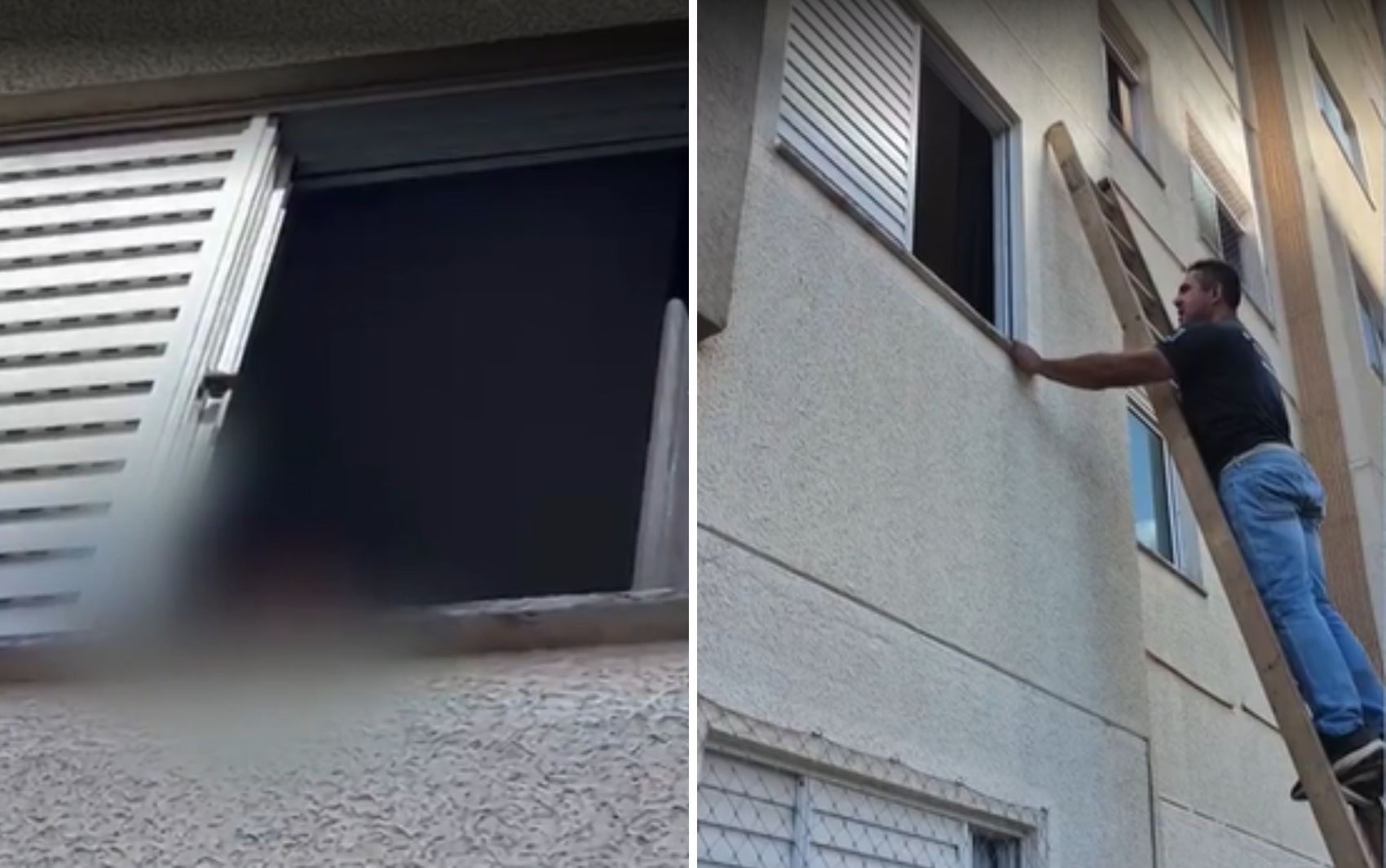
A 10-year-old boy was rescued from an apartment in Goiânia, Brazil, after being found locked in a room without food or water. Residents reported hearing the boy calling for help from the window and interacting with other children playing outside. A video captured the moment of the rescue, showing the boy communicating with child welfare officers through the window and explaining his situation.
The boy's mother has been arrested and faces charges of abandonment of a vulnerable person. She reportedly told police she locked him in the room overnight to prevent him from accessing food, claiming he was diabetic and could become ill if he ate too much. However, child welfare officers confirmed the boy is diabetic and was found in a debilitated state, with dangerously high blood sugar levels.
Upon rescue, the apartment was found to be in a state of disarray, with dirty dishes, scattered clothes, and rotting food. The room where the boy was confined contained only a mattress on the floor, some toys, and a plastic bottle he used for bodily functions. The child expressed a desire for a better life and to live with his father. He was admitted to the Intensive Care Unit (ICU) at the State Hospital for Children and Adolescents due to his condition, with no estimated discharge date.
This incident highlights critical failures in child protective services and community oversight. The boy's confinement and apparent neglect, despite his communication with neighbors and other children, suggests a breakdown in informal social safety nets. The mother's explanation regarding diabetes, while potentially a factor, does not excuse the deprivation of basic necessities and safe living conditions. The case raises questions about the efficacy of existing protocols for identifying and intervening in situations of child endangerment, particularly when a parent's alleged actions are framed within a medical context. Moving forward, systemic improvements should focus on proactive welfare checks, enhanced community reporting mechanisms, and clearer guidelines for authorities to assess parental claims versus the child's immediate well-being, ensuring that children's fundamental rights to safety and care are paramount.
AI-generated to prompt reflection — not editorial opinion, not advice, not a statement of fact. How this works.