Boy, 11, Kills Nine Monks in Truck Crash During Thai Procession
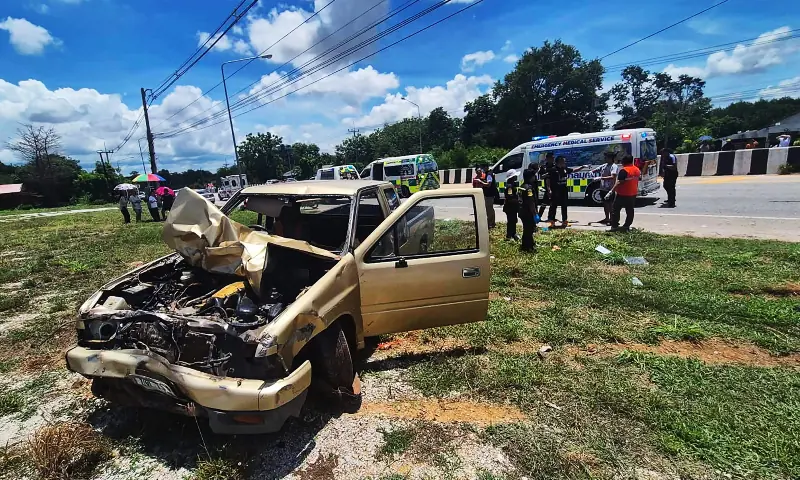
An 11-year-old boy driving his parents' pickup truck crashed into a Buddhist procession in Thailand's Mukdahan province on Thursday, resulting in the deaths of nine monks and serious injuries to approximately 10 others. The procession, part of a pilgrimage, involved 35 monks and five lay followers walking along a roadside when the incident occurred. One surviving monk recounted seeing the truck approach at full speed before impact, noting that those at the front of the procession managed to survive while others were struck. Initially, five monks died at the scene, with three more succumbing to their injuries in hospital, and a ninth monk was later confirmed deceased by provincial authorities. Several other monks sustained serious injuries, with four initially reported in critical condition. Police are investigating the incident, with the vehicle undergoing forensic examination to determine the cause. Legal proceedings will focus on the child's parents to establish responsibility for his care, as children under 12 in Thailand are not held criminally liable. The incident has prompted calls for greater road safety awareness, with local officials highlighting Thailand's persistent issues with deadly traffic accidents, often attributed to speeding, drunk driving, and inadequate law enforcement. The governor emphasized the need for collective responsibility, particularly from parents, to prevent future tragedies.
This tragic event underscores systemic vulnerabilities in road safety and child supervision within Thailand. The incident highlights the complex interplay between a child's access to vehicles, parental responsibility, and the nation's well-documented challenges with traffic law enforcement and accident rates. While the legal framework exempts children under 12 from criminal liability, the focus on parental accountability is crucial for addressing negligence and preventing recurrence. The event serves as a stark reminder of the broader societal imperative to strengthen road safety education and infrastructure, particularly in regions prone to high accident frequency. Looking ahead, integrating advanced driver-assistance systems in vehicles and enhancing community-based supervision programs could mitigate risks associated with both human error and unauthorized vehicle access, fostering a more resilient safety culture.
AI-generated to prompt reflection — not editorial opinion, not advice, not a statement of fact. How this works.