Boy's Death After Head Injury at School Highlights Brain Trauma Risks
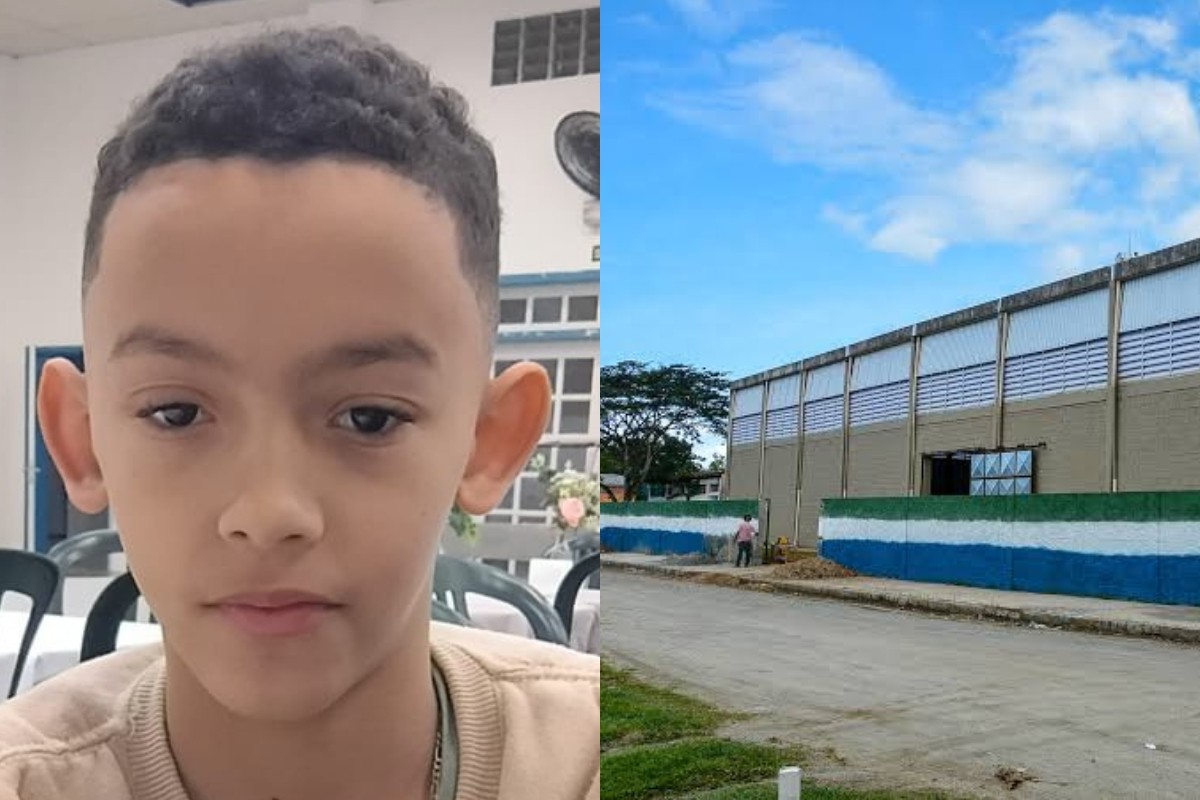
An 11-year-old boy, Bernardo Augusto Rocha, died in Bertioga, São Paulo, after suffering a head injury from a ball during a school activity and subsequently hitting his head again. Neurologists emphasize that any head trauma can be serious, even without visible external signs, depending on the impact's intensity and location. Studies indicate that less than 1% of pediatric head traumas result in brain bleeding, but severe impacts, particularly to the temporal region, can be fatal. Experts suggest Bernardo likely experienced an epidural hematoma, a rupture of an artery caused by the blow and fall, leading to a stroke. The case underscores the danger of the "second impact syndrome," where a subsequent impact increases the risk of cerebral edema. Medical professionals advise that after any head trauma, individuals should be monitored for 24 hours and not sleep immediately. Warning signs requiring immediate medical attention include excessive drowsiness, confusion, brief loss of consciousness, vomiting, headache, speech difficulties, weakness, and inconsolable crying. A CT scan can detect potential hematomas, which may require surgery. The family is questioning the medical care Bernardo received, alleging a intubation error worsened his condition, which the municipality denies, stating immediate emergency protocols were initiated. An initial autopsy suggested a brain aneurysm leading to a stroke, while the death certificate listed respiratory failure.
This tragic event highlights critical gaps in immediate post-injury assessment protocols for pediatric head trauma. The described 'lucid interval' is a well-documented phenomenon in epidural hematomas, emphasizing that a patient's initial apparent recovery can be dangerously misleading. The incident points to a systemic need for enhanced awareness and standardized response procedures in educational settings for head injuries, irrespective of visible external damage. Furthermore, it raises questions about the accessibility and coordination of advanced diagnostic imaging, such as CT scans, within emergency medical services, particularly in geographically diverse areas. The discrepancy between preliminary medical findings and the official death certificate warrants further investigation into the chain of medical events and reporting accuracy.
AI-generated to prompt reflection — not editorial opinion, not advice, not a statement of fact. How this works.
