Boyacá Hospitals Overwhelmed: Three Facilities on High Alert Due to Severe Overcrowding
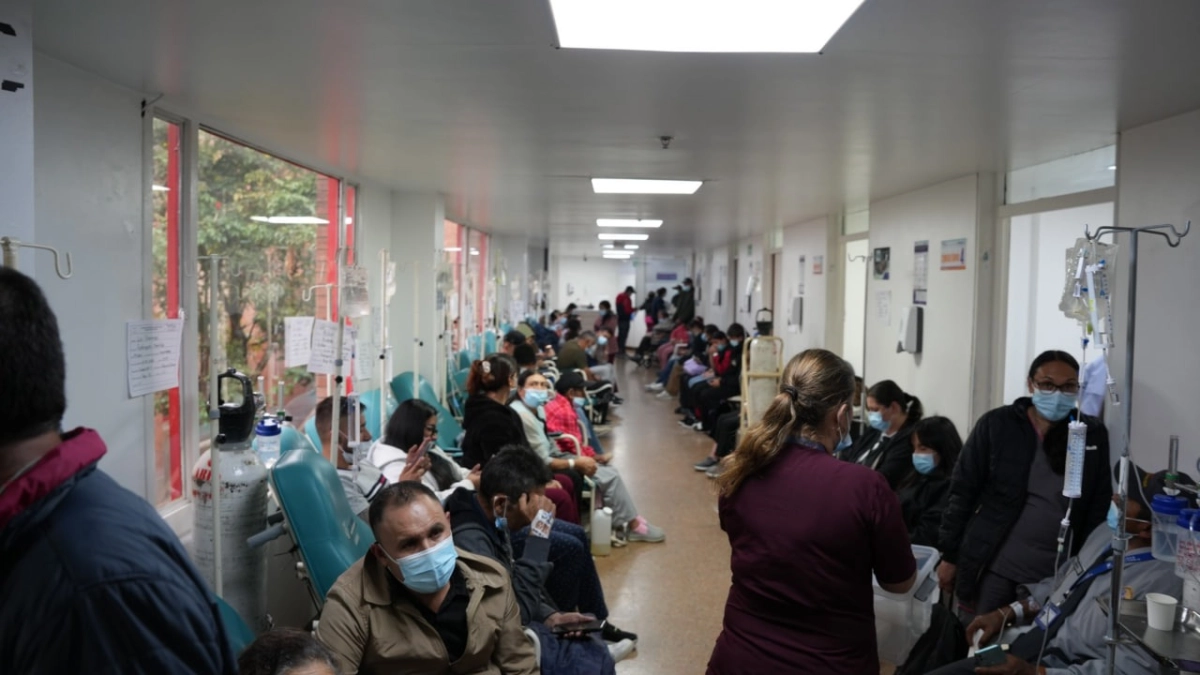
The hospital network in Boyacá, Colombia, has issued a high alert due to severe overcrowding in three regional facilities: Chiquinquirá, Duitama, and Tunja. The situation has reached critical levels, with occupancy rates reportedly exceeding capacity by as much as 344% in some areas. This extreme surge in patient numbers is straining resources and potentially impacting the quality of care provided. Hospital administrators are grappling with the challenge of managing the influx of patients while ensuring adequate medical attention for everyone. The emergency declaration signifies the urgent need for intervention and support to alleviate the pressure on these vital healthcare centers. Further details on the specific causes of the overcrowding and the immediate measures being implemented are expected.
The extreme overcapacity reported in Boyacá's regional hospitals highlights systemic challenges in healthcare resource allocation and demand management. This situation may stem from a combination of factors, including increased demand for services, insufficient bed capacity, or potential bottlenecks in patient flow and discharge processes. Addressing such critical occupancy rates requires a multi-faceted approach, potentially involving immediate resource augmentation, optimization of existing infrastructure, and strategic planning for future healthcare needs. Examining the underlying drivers of patient influx and the efficiency of referral pathways could offer insights into preventing such crises and ensuring equitable access to care in the long term.
AI-generated to prompt reflection — not editorial opinion, not advice, not a statement of fact. How this works.