BR-040 Toll Plaza Relocation Proposal Shifts Focus Within Simão Pereira
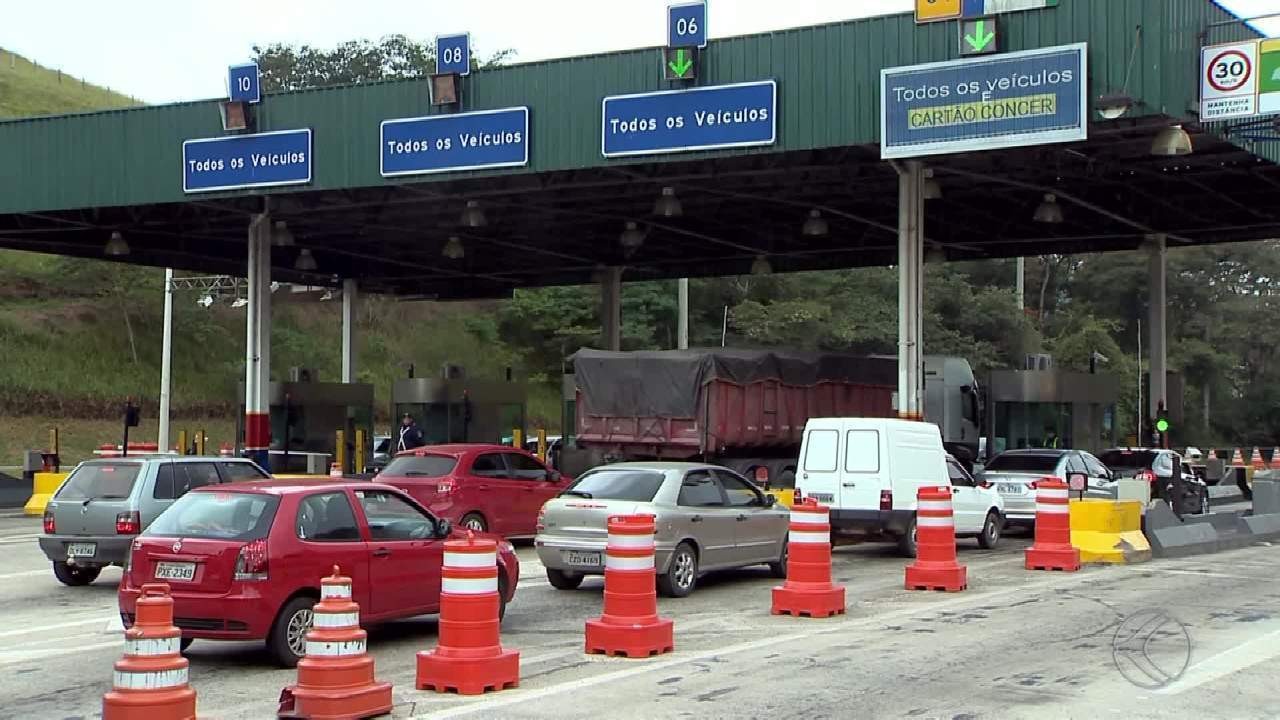
A proposed relocation of a BR-040 toll plaza operated by Elovias, initially slated to move from Simão Pereira, Minas Gerais, to Comendador Levy Gasparian, Rio de Janeiro, may now remain within Simão Pereira. The new plan suggests shifting the toll plaza from kilometer 819 to kilometer 830 along BR-040. This adjustment aims to prevent the isolation of approximately 2,000 residents in the Monte Serrat and Afonso Arinos neighborhoods of Levy Gasparian, who would have been negatively impacted by the original relocation. Elovias confirmed a technical inspection of the proposed new site occurred on Tuesday, May 28th. Representatives from the National Land Transport Agency (ANTT), the Federal Public Ministry (MPF), and the municipal administrations of Simão Pereira and Levy Gasparian participated in the inspection. Both municipal governments have expressed no opposition to the revised location. To formalize an agreement, a conciliation hearing is scheduled for August 6th in Três Rios, Rio de Janeiro. The ANTT is actively involved, facilitating discussions between Elovias and the municipalities, and anticipates a resolution that serves the public interest and maintains the concession contract's integrity. The agency emphasizes that toll plaza installations are crucial for the concessionaire's financial stability and the execution of contracted investments. This toll plaza change is part of Elovias's broader BR-040 concession agreement, which involves R$9 billion in investments over 30 years, including infrastructure improvements and the relocation of the Simão Pereira toll plaza. The initial plan to move the plaza was intended to mitigate the impact on Simão Pereira residents who currently face tolls for essential services.
The proposed shift in the BR-040 toll plaza location highlights the complex interplay between infrastructure development, public service provision, and community impact. While the relocation aims to mitigate negative consequences for specific populations, the underlying rationale for toll plaza placement and its economic implications for both concessionaires and users warrants ongoing scrutiny. The ANTT's role in mediating these disputes underscores the challenge of balancing contractual obligations with equitable public access and service delivery. Future planning should proactively integrate comprehensive social impact assessments to preempt such conflicts, ensuring that infrastructure projects foster inclusive economic development rather than creating localized disadvantages. The long-term sustainability of such concessions may depend on transparent governance and adaptive strategies that account for evolving community needs and technological advancements in transportation.
AI-generated to prompt reflection — not editorial opinion, not advice, not a statement of fact. How this works.