BR-101 Highway Blocked in Southern Bahia Due to Protest Over Poor Road Conditions
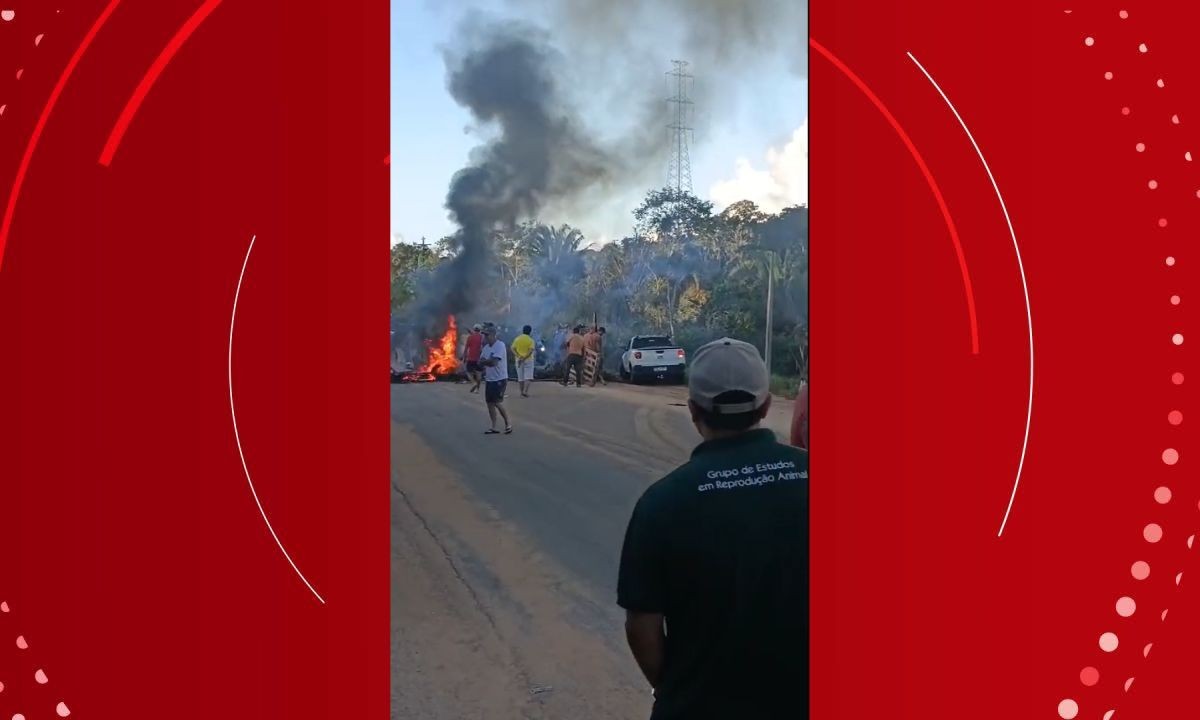
A protest completely blocked a section of the BR-101 highway in the extreme south of Bahia, Brazil, on Monday, October 3rd. The demonstration occurred between the municipalities of Itapebi and Mascote, with the Federal Highway Police (PRF) confirming the road remained closed until approximately 8:50 PM. Protesters are demanding improvements to a detour route, known locally as the 'Estrada da Veracel,' which connects BAs 274 and 658. Recent heavy rains have severely damaged this detour, leading to numerous trucks becoming stuck in mud, causing significant traffic disruptions. Protesters initiated the blockade around 4:45 PM, citing weeks of poor road conditions exacerbated by the recent rainfall, which has caused slow traffic and stranded large vehicles. They also highlighted that the inadequate infrastructure hinders access to the Santa Maria Eterna village in Belmonte. The Bahia State Secretariat of Infrastructure (Seinfra) stated that the affected stretch is undergoing paving work and that traffic was halted due to rain damage. The Consórcio Costa do Descobrimento (Condesc), responsible for the paving project, performed emergency repairs and removed stuck vehicles. The paving of the 5 km access road to Santa Maria Eterna has been slowed by weather conditions, with a projected completion date of January 2027. Despite emergency efforts, the highway remained blocked with no immediate forecast for reopening.
This event highlights the critical infrastructure challenges faced in regions experiencing heavy rainfall, impacting transportation networks and local economies. The protest underscores a breakdown in communication and timely infrastructure maintenance between local communities, contractors, and state authorities. The long-term completion date of January 2027 for the paving project suggests potential underfunding or systemic delays in public works. Moving forward, authorities could explore more resilient infrastructure designs and proactive maintenance schedules, particularly in climate-vulnerable areas. Establishing clear communication channels and grievance redressal mechanisms for affected communities could also mitigate such disruptions, fostering a more collaborative approach to infrastructure development and ensuring essential access routes remain functional.
AI-generated to prompt reflection — not editorial opinion, not advice, not a statement of fact. How this works.
