Bracell Earns Fourth Consecutive Gold Seal for Greenhouse Gas Emission Management
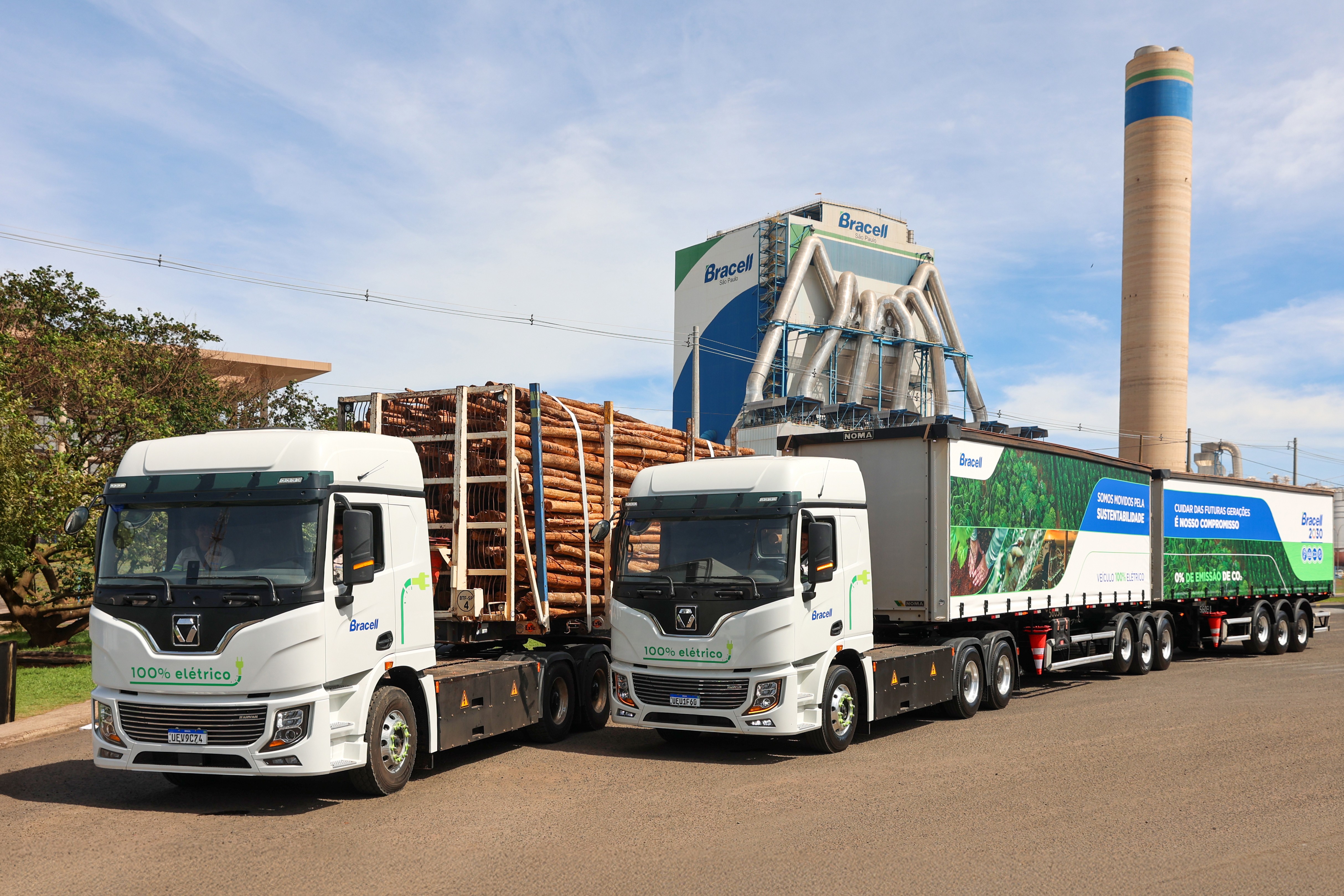
Bracell, a leading global producer of soluble and specialty cellulose, has been awarded the Gold Seal by the Brazilian GHG Protocol Program for the fourth consecutive year. This recognition celebrates the company's excellence in measuring, managing, and transparently reporting its greenhouse gas (GHG) emissions. The certification, granted by Fundação Getúlio Vargas (FGV), underscores Bracell's dedication to responsible carbon emission management and its "Bracell 2030" targets. These goals include a 75% reduction in emissions per ton of product and the removal of 25 million tons of CO2e from the atmosphere by the end of the decade. The Brazilian GHG Protocol Program, developed by FGVces and WRI, is the country's primary standard for GHG emission accounting, utilizing internationally recognized methodologies. Bracell's Sustainability Manager, Fabiane Carrijo, highlighted that the Gold Seal acknowledges their consistent emission management process and commitment to transparency. She also emphasized the integrated team efforts and focus on continuous improvement towards the company's climate goals. Notably, Bracell reported removing more CO2e from the atmosphere than it emitted in both 2024 and 2025, as detailed in its Sustainability Reports. This positive climate contribution is attributed to its eucalyptus plantations and native forest areas, which absorb and store carbon during tree growth. For the second consecutive year, Bracell's carbon balance in 2025 showed removals exceeding emissions.
Bracell's repeated recognition for GHG emission management highlights a corporate strategy focused on environmental stewardship, potentially enhancing its brand reputation and market access. The company's stated goal of removing more CO2e than emitted, achieved through its forestry operations, presents a compelling narrative of carbon negativity. This approach aligns with growing investor and consumer demand for sustainable business practices. However, the long-term viability and scalability of such carbon removal strategies, particularly those reliant on biological sequestration, warrant careful examination. Future analysis should consider the permanence of carbon storage, potential land-use conflicts, and the methodologies used to verify these removals against the backdrop of evolving global climate accounting standards and the increasing urgency of direct emissions reductions across industrial sectors.
AI-generated to prompt reflection — not editorial opinion, not advice, not a statement of fact. How this works.
