Bragança Paulista Municipality Urges Taxpayers to Continue IPTU Payments Amid Legal Review
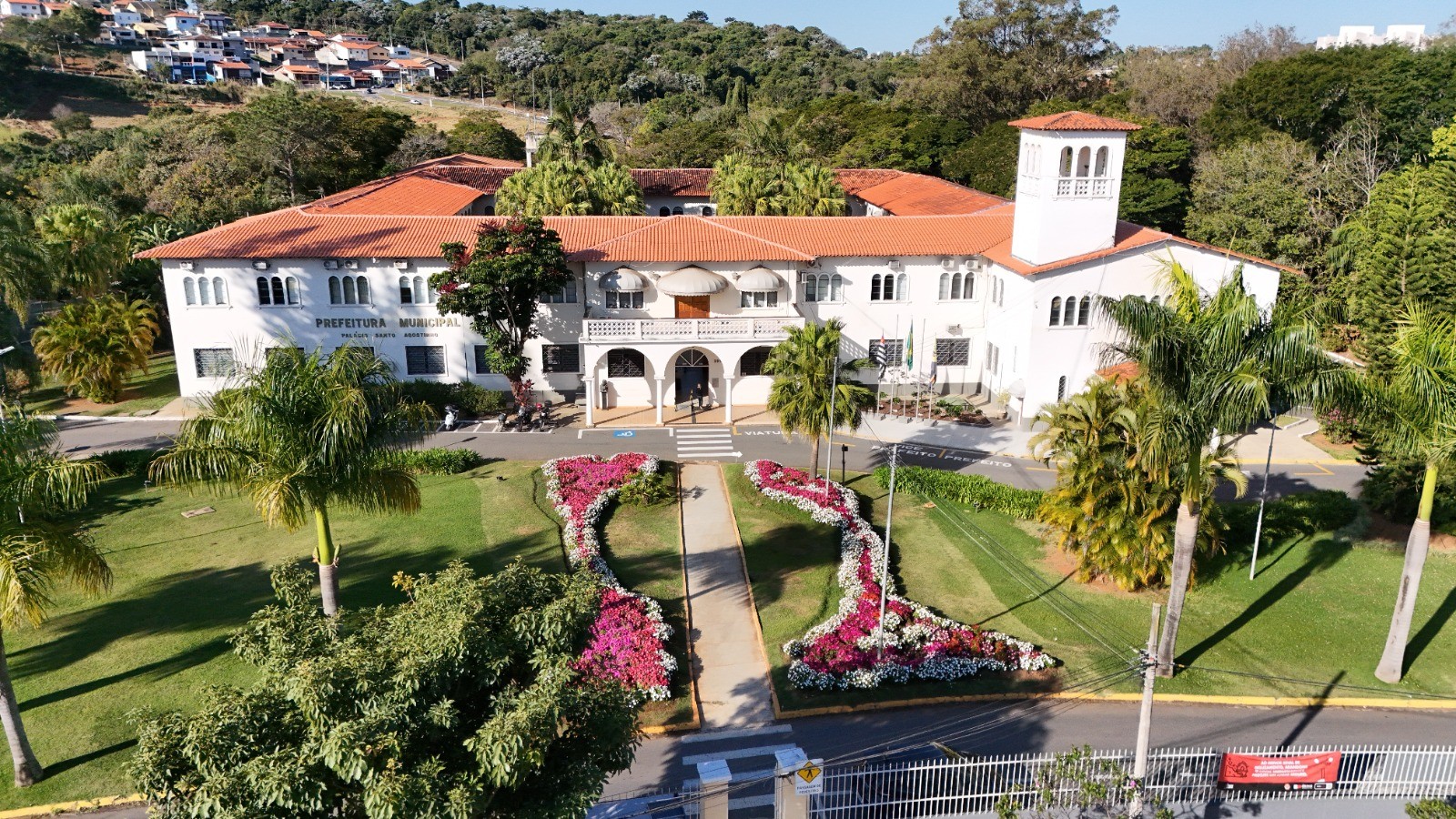
The Bragança Paulista Municipality is advising taxpayers to continue making their 2025 IPTU (Urban Property and Land Tax) payments as usual, despite ongoing legal proceedings. A recent court decision suspended previous directives concerning the update of the Generic Property Value Map (PGV). This update, based on Municipal Complementary Law nº 992/2024, aimed to align property values with market realities using technical criteria. The municipality emphasizes that the continued collection of IPTU is crucial for funding public services, including education, health, infrastructure, and other public policies. The PGV revision was intended to create greater tax equity by correcting disparities between similar properties and updating outdated valuations. According to municipal data, this new methodology has led to a reduction in IPTU for 58% of taxpayers, and for 77% of those with built properties. Properties previously undervalued relative to the market are now expected to contribute more equitably. The municipality reiterates that the matter is still under judicial review and will follow the legal process to a final decision. Until then, current payment procedures remain in effect.
The Bragança Paulista Municipality's approach to updating its property tax valuation system, the PGV, highlights the inherent tension between municipal revenue needs and taxpayer equity. While the administration asserts technical justification and a goal of market alignment, the ongoing legal challenges suggest potential procedural or substantive concerns that warrant judicial scrutiny. The municipality's emphasis on continued tax collection for public services is a standard governance objective, but the distribution of the tax burden, particularly when valuations are contested, remains a critical point of public interest. Future iterations of such valuation systems may benefit from enhanced transparency and stakeholder engagement early in the process to mitigate legal disputes and foster greater public trust in the fairness of the tax system.
AI-generated to prompt reflection — not editorial opinion, not advice, not a statement of fact. How this works.