Bragança Paulista Sees 11.9% Rise in Public Transport Ridership with Free Fare Program
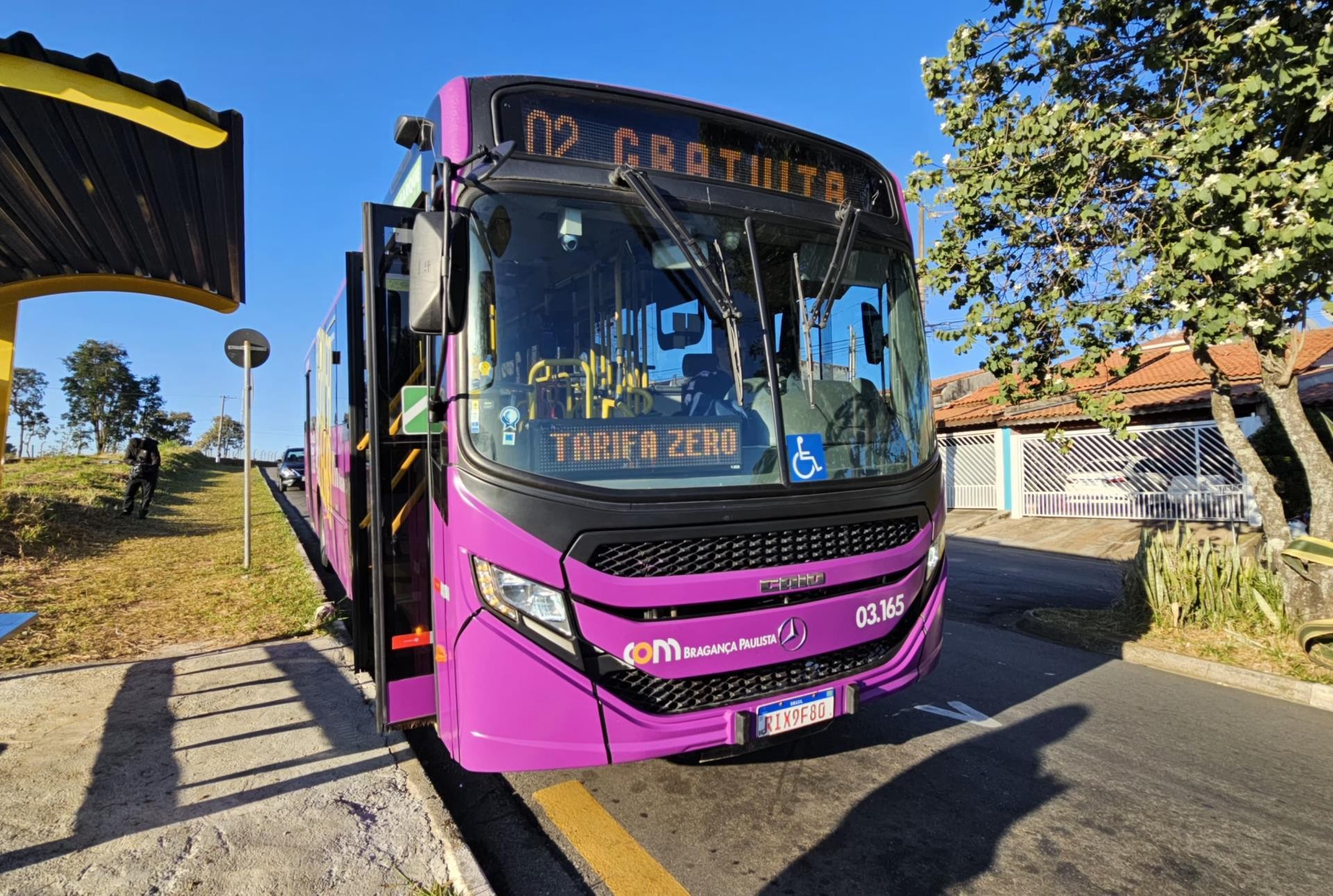
Public transport in Bragança Paulista experienced a significant increase in ridership, with 2,550,484 boardings between January and July 2026. This represents a growth of 272,032 boardings, or 11.9%, compared to the same period in 2025, which saw 2,278,452 boardings. This expansion coincides with the enhancement of the "Tarifa Zero" (Zero Fare) program, which offers free travel outside of peak hours for holders of the Cartão Cidadão Bragantino (Bragantino Citizen Card). The program's third phase, implemented on April 5, 2026, allows cardholders free access to municipal buses during specific off-peak times: 4:00 AM to 6:29 AM, 8:31 AM to 4:29 PM, and 7:01 PM to 2:00 AM. During busy periods, the standard fare remains in effect. Over 72% of all trips, amounting to 1,842,655 boardings, occurred during these free fare periods between January and July 2026. May 2026 recorded the highest monthly number of free fare boardings since the program's inception, with nearly 289,000 trips. The data suggests users are adjusting their schedules to utilize the free periods for commuting to work, school, and accessing services. The program has also dramatically boosted the use of the Cartão Cidadão Bragantino, with boardings increasing by over 390% from 155,040 in the first seven months of 2025 to 760,142 in the same period of 2026. Concurrently, cash payments have decreased by approximately 49%, falling from 641,474 to 328,701 boardings, indicating a shift towards electronic payment and the benefits of the fare program. The municipal transport system operates 29 lines (19 urban, 10 rural) with a fleet of 64 buses, 58 of which are in daily service, making an average of 894 trips daily. The average age of the buses is 3.4 years.
The "Tarifa Zero" program in Bragança Paulista appears to be successfully incentivizing public transport usage by eliminating fares during off-peak hours. This policy shift, coupled with the mandatory use of a citizen card, has demonstrably increased ridership and shifted user behavior towards utilizing public transit more frequently and efficiently. The significant rise in card usage and decline in cash payments suggest a successful transition to a more integrated and potentially data-rich public transport system. From a systemic perspective, such initiatives can alleviate traffic congestion and reduce carbon emissions, aligning with long-term urban sustainability goals. The program's success hinges on continued operational efficiency and the ability to manage demand across all hours, ensuring the system remains viable and accessible to all residents, not just those who can adapt their schedules to off-peak travel.
AI-generated to prompt reflection — not editorial opinion, not advice, not a statement of fact. How this works.