Brain Autopsy Offers Clues to Alzheimer's Drug Ineffectiveness
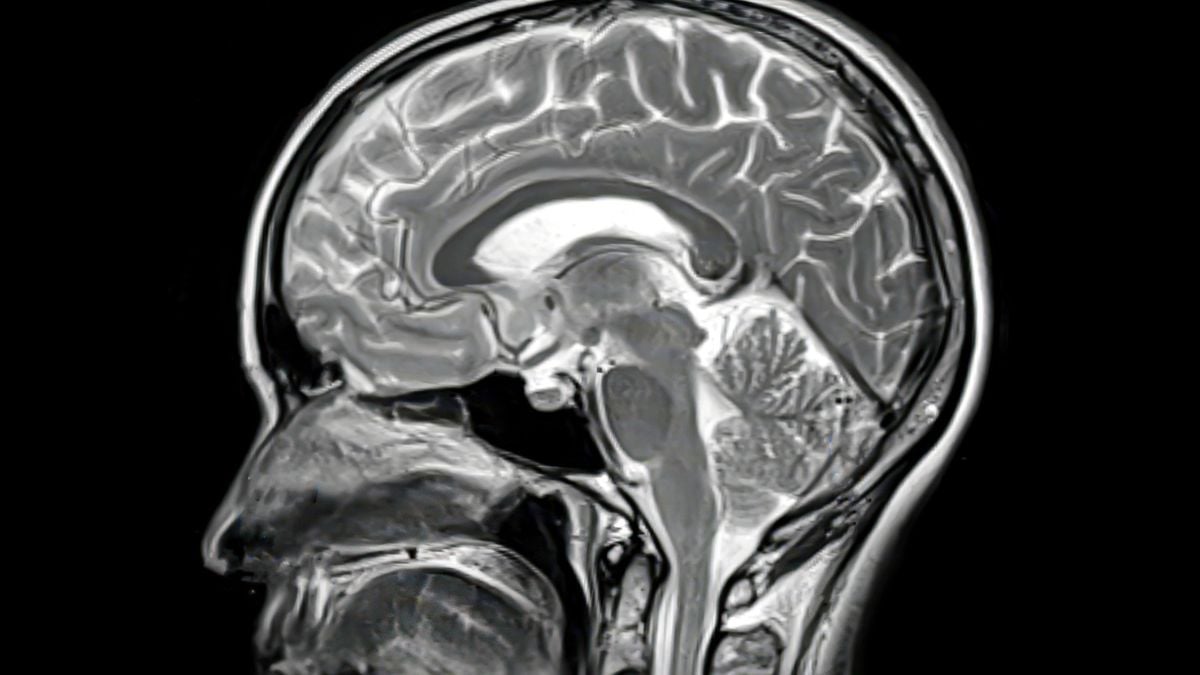
A rare brain autopsy has provided significant new insights into why many drugs designed to combat Alzheimer's disease have proven ineffective. The study focused on the brain of a patient who had been treated with a specific Alzheimer's drug, offering a unique opportunity to examine the drug's effects at a cellular level. Researchers observed how the drug interacted with the complex environment of the brain, particularly in relation to the hallmark pathologies of Alzheimer's, such as amyloid plaques and tau tangles. Initial findings suggest that the drug's delivery mechanism or its interaction with specific brain cells may have been insufficient to overcome the disease's progression. This detailed examination is crucial for understanding the limitations of current therapeutic approaches. The autopsy provides a critical piece of evidence that could guide the development of more effective treatments in the future. By understanding these cellular-level failures, scientists can refine drug targets and delivery systems. This research underscores the complexity of Alzheimer's disease and the challenges in developing successful interventions. The findings highlight the need for innovative strategies that can more effectively penetrate the brain and target the disease's underlying mechanisms.
This rare autopsy offers a crucial biological data point, moving beyond clinical trial outcomes to investigate the direct impact of Alzheimer's therapies within the human brain. The findings suggest a potential disconnect between drug design and the complex biological realities of neurodegenerative disease, highlighting challenges in drug delivery and cellular interaction. Future research may need to prioritize understanding these intricate biological barriers and explore novel therapeutic modalities that can overcome them. This case emphasizes the importance of detailed post-mortem studies to refine our understanding of disease mechanisms and therapeutic efficacy, potentially informing more targeted and effective drug development strategies over the next decade.
AI-generated to prompt reflection — not editorial opinion, not advice, not a statement of fact. How this works.