Brain Cell Skeleton Acts as Gatekeeper, Offering Potential Alzheimer's Defense
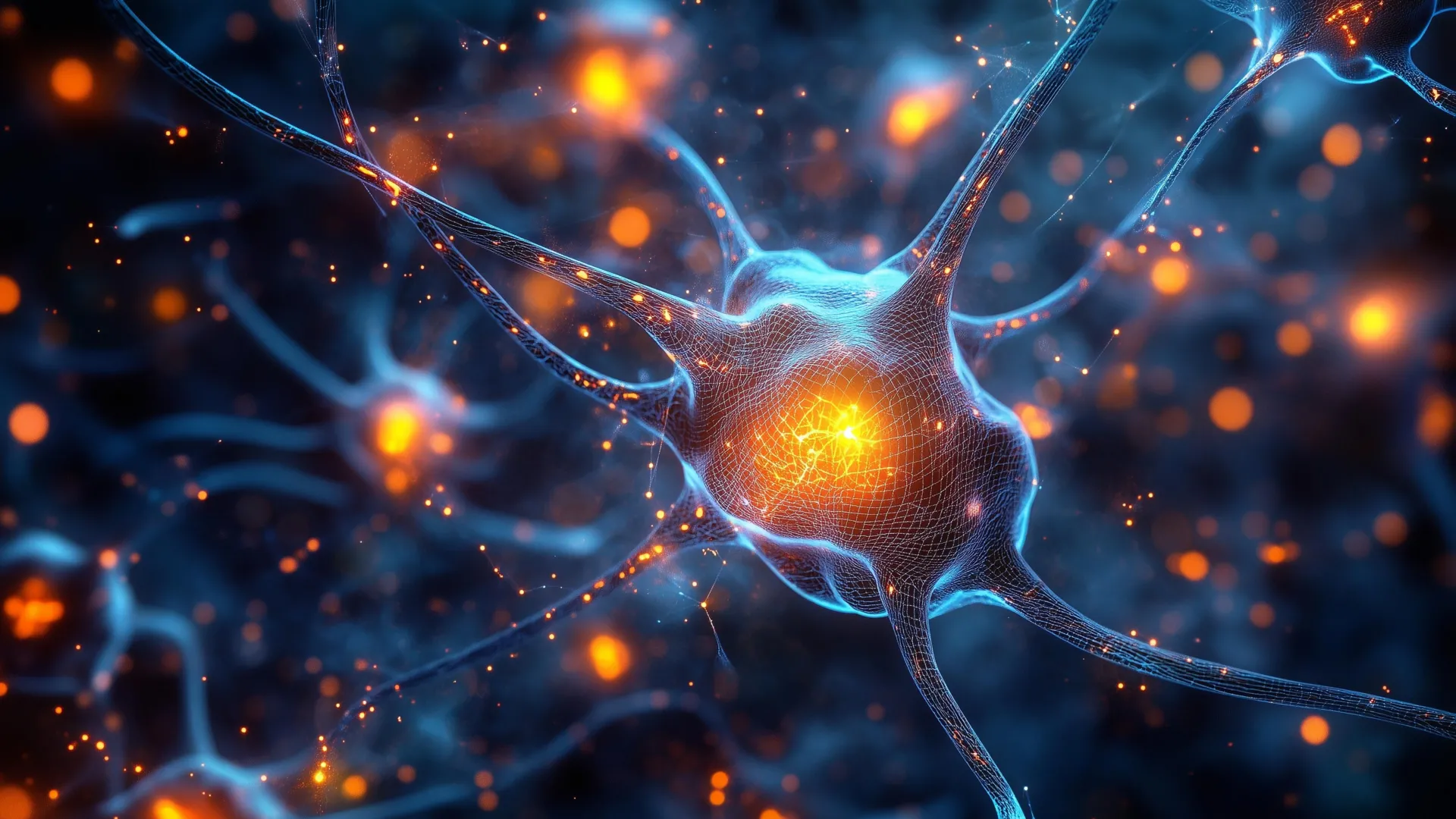
Scientists have identified a microscopic internal skeleton within brain cells that functions as a crucial gatekeeper, regulating the absorption of substances by neurons. This internal structure, previously understood primarily for its role in cell support, actively controls what enters brain cells and the timing of that entry. The research indicates that when this protective cellular framework deteriorates, neurons become vulnerable and rapidly absorb harmful proteins linked to Alzheimer's disease. This discovery points towards a novel therapeutic avenue: stabilizing this gatekeeper structure could potentially prevent the cellular damage characteristic of Alzheimer's. The findings suggest that targeting this internal cellular mechanism may offer a new strategy for combating the progression of neurodegenerative diseases.
This research highlights the intricate regulatory mechanisms within neurons, revealing a previously underappreciated role for the cytoskeleton in controlling cellular permeability. The identified 'gatekeeper' function suggests that maintaining the integrity of this internal structure is vital for neuronal health, particularly in the context of neurodegenerative diseases like Alzheimer's. Future therapeutic strategies might focus on reinforcing or stabilizing this cellular component, potentially offering a preventative approach by limiting the uptake of toxic proteins. Understanding these fundamental cellular processes could lead to more targeted interventions that address the root causes of neuronal dysfunction, rather than solely managing symptoms.
AI-generated to prompt reflection — not editorial opinion, not advice, not a statement of fact. How this works.