Brain-Eating Amoeba Could Spread, Resembling Horror Film Scenario
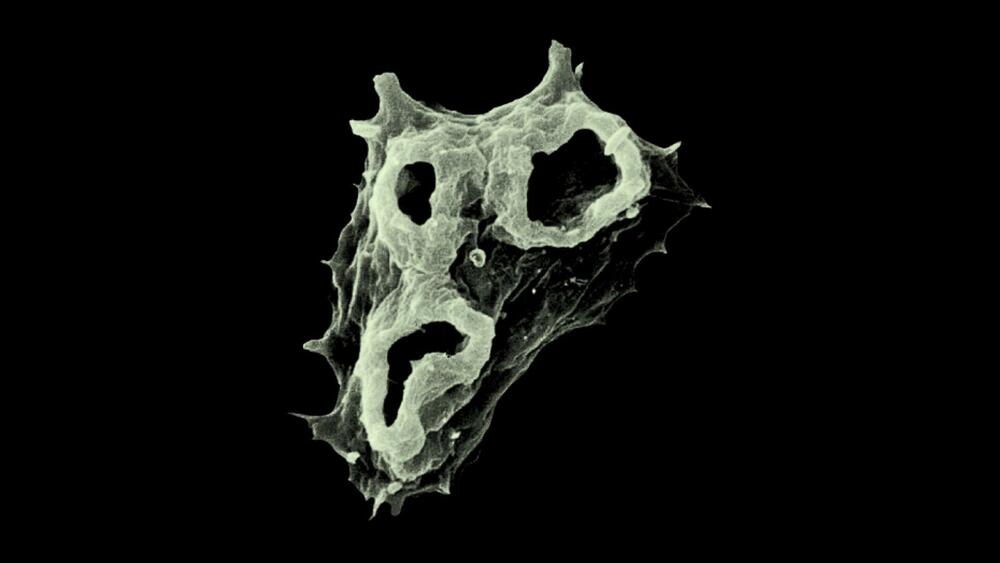
A microscopic amoeba, commonly found in warm freshwater, hot springs, and neglected swimming pools, poses a significant threat to human health. This organism enters the human body through the nostrils when individuals jump into or dive in contaminated water. Once inside, it rapidly begins to attack brain tissue. The spread of this amoeba is a growing concern, with scenarios described as being akin to a horror film. Public health officials are monitoring its potential expansion, emphasizing the risks associated with exposure in certain aquatic environments. The amoeba's life cycle and modes of transmission highlight the importance of water safety, particularly in warmer climates and recreational areas.
The potential spread of the Naegleria fowleri amoeba, a pathogen thriving in warm aquatic environments, warrants careful public health monitoring. Its transmission mechanism, via nasal entry during water immersion, presents a clear vector for infection. While rare, the severity of the resulting primary amoebic meningoencephalitis (PAM) necessitates proactive risk communication and potentially enhanced water quality management in recreational areas prone to its proliferation. Future considerations may include advanced detection methods and targeted public awareness campaigns to mitigate exposure risks as water temperatures rise globally due to climate change.
AI-generated to prompt reflection — not editorial opinion, not advice, not a statement of fact. How this works.