Brain-Eating Amoeba 'Naegleria fowleri' Found in New Global Hot Springs
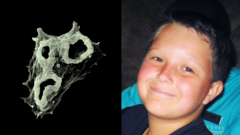
A dangerous brain-eating amoeba, scientifically known as Naegleria fowleri, has been identified in new hot spring locations around the world. This single-celled organism, often referred to as the brain-eating amoeba, can enter the human brain through the nasal passages when people are submerged in warm water. Once inside, it can cause a severe and often fatal infection. The amoeba thrives in warm freshwater environments, including hot springs, lakes, and rivers. While infections are rare, they are extremely serious and have a very high mortality rate. Public health officials are monitoring the spread of Naegleria fowleri as it appears in previously unrecorded areas. Awareness and precautions are being emphasized for individuals visiting or swimming in warm freshwater bodies. The primary route of infection is through nasal exposure to contaminated water, highlighting the importance of avoiding water entering the nose in these environments. Further research is underway to understand the ecological factors contributing to its expanding presence.
The emergence of Naegleria fowleri in new geographical areas, particularly in recreational hot springs, signals a potential shift in the organism's environmental distribution. This expansion may be influenced by changing global temperatures, which could create more favorable conditions for its proliferation in freshwater ecosystems. Public health strategies will need to adapt, focusing on enhanced surveillance and public awareness campaigns to mitigate risks associated with waterborne pathogens. The challenge lies in balancing public access to natural recreational sites with the imperative to protect human health from rare but devastating infections. Understanding the specific environmental triggers and microbial interactions driving this amoeba's spread will be crucial for developing long-term preventative measures.
AI-generated to prompt reflection — not editorial opinion, not advice, not a statement of fact. How this works.