Brain Microdamage Linked to Heart Issues May Increase Memory Loss Risk, Study Suggests
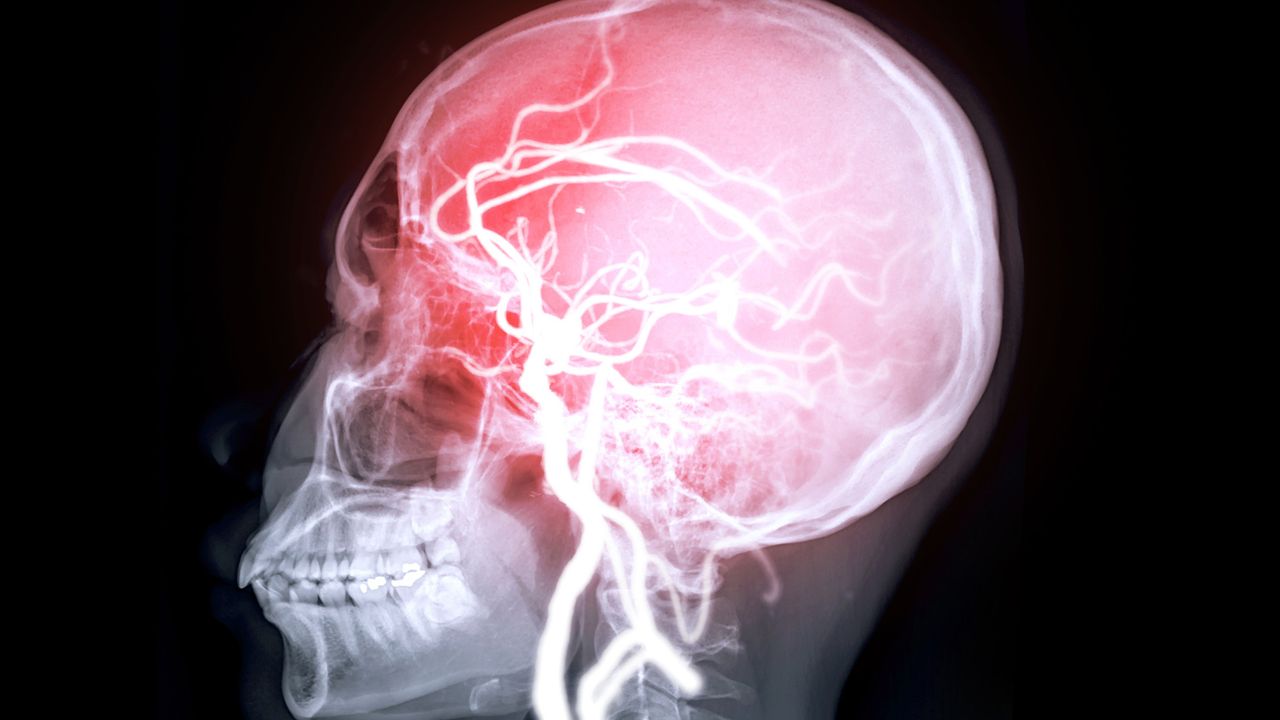
A recent study indicates a potential link between weakened heart function and early signs of damage in brain areas responsible for memory. Researchers observed that when the heart's pumping efficiency declines, specific regions of the brain associated with memory recall begin to exhibit signs of microdamage. This finding suggests that cardiovascular health may play a crucial role in maintaining cognitive functions, particularly memory. The study hints that these subtle brain injuries, stemming from reduced blood flow or other cardiac-related factors, could elevate an individual's risk of experiencing memory loss over time. Further investigation is needed to fully understand the mechanisms behind this connection and its long-term implications for cognitive decline. The research underscores the importance of monitoring heart health as a potential preventative measure for neurological conditions affecting memory.
This study highlights a potential physiological pathway connecting cardiovascular health to cognitive function, specifically memory. The observed microdamage in memory-related brain regions, correlated with diminished heart pumping function, suggests that systemic circulatory efficiency directly impacts neurological integrity. Understanding this relationship could inform preventative strategies for age-related cognitive decline, emphasizing the interconnectedness of bodily systems. Future research may explore whether interventions to improve cardiac function can mitigate or reverse these early signs of brain damage, offering a novel approach to preserving memory.
AI-generated to prompt reflection — not editorial opinion, not advice, not a statement of fact. How this works.