Brain Organization in Blind Individuals Differs from Previous Understandings
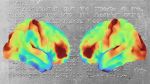
High-resolution MRI scans reveal that the visual cortex in blind individuals is organized differently than previously believed. Contrary to earlier assumptions of a thicker cortex, new imaging suggests that reduced myelin content is the primary factor behind the apparent thickening. Myelin is a fatty substance that insulates nerve fibers and is crucial for efficient nerve signal transmission. The reduced myelination in the visual cortex of blind individuals may indicate a neuroplastic adaptation, where the brain reallocates resources to other sensory processing areas. This finding challenges established models of cortical structure and function in the absence of visual input. Further research into these differences could illuminate the brain's remarkable capacity for reorganization and adaptation throughout life. Understanding these neurobiological mechanisms is vital for developing targeted therapies and educational strategies for individuals with visual impairments.
The latest high-resolution MRI findings challenge prior assumptions about the structural plasticity of the visual cortex in blind individuals. The observation that reduced myelination, rather than increased cortical thickness, accounts for perceived structural differences suggests a more nuanced understanding of neural adaptation. This perspective shifts focus from a simple volumetric change to a qualitative alteration in neural tissue composition. Such insights are critical for understanding how the brain compensates for sensory deprivation, potentially by reallocating neural resources and altering signal processing pathways. Future research could explore the functional implications of this altered myelination, examining how it impacts cross-modal plasticity and cognitive functions beyond basic sensory substitution. This understanding may inform the development of more effective neurorehabilitation strategies and educational approaches for visually impaired populations, leveraging the brain's inherent adaptive capabilities.
AI-generated to prompt reflection — not editorial opinion, not advice, not a statement of fact. How this works.