Brain Reorganizes as Tinnitus Develops Into Chronic Condition
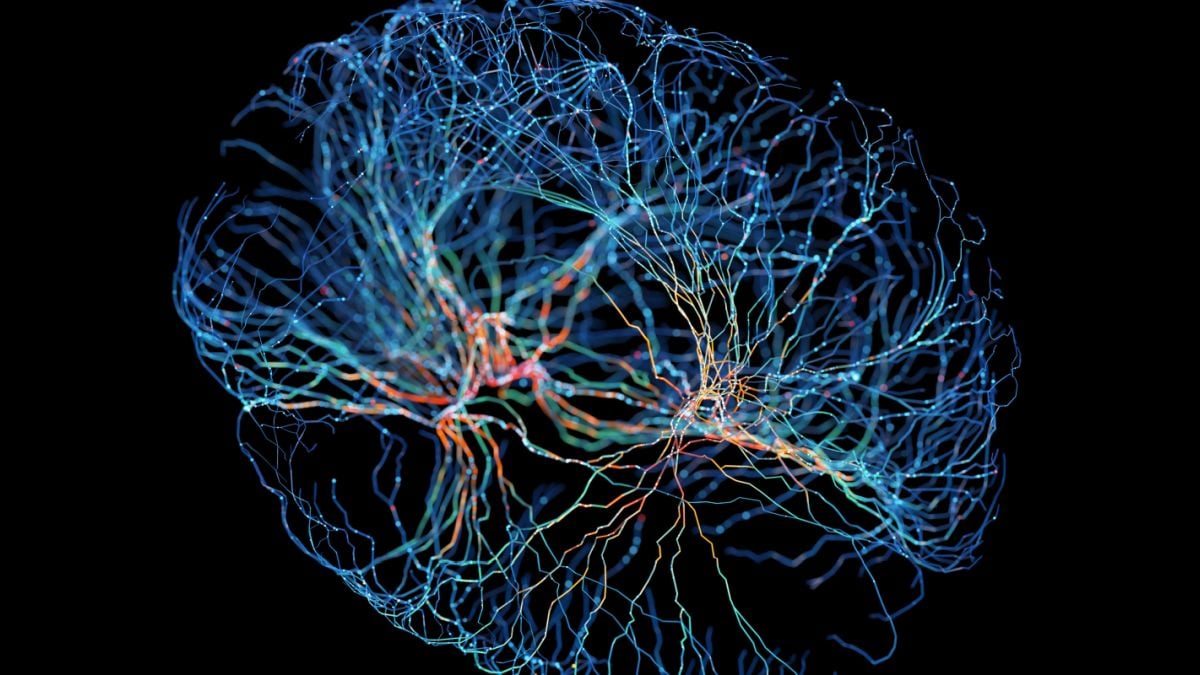
New research suggests that the human brain undergoes significant changes as tinnitus transitions from an acute to a chronic condition. These alterations in brain structure and function appear to be a dynamic process, meaning the brain is not static but actively reorganizes itself over time in response to the persistent auditory perception. This ongoing adaptation highlights the complex neurological mechanisms underlying chronic tinnitus. The findings indicate that the brain's attempt to cope with or adapt to the constant sound may lead to these lasting structural modifications. Understanding this dynamic reorganization is crucial for developing effective therapeutic strategies. Further investigation into these neural changes could unlock new pathways for treating chronic tinnitus, which affects millions worldwide. The research emphasizes that the brain's plasticity plays a key role in how tinnitus evolves and persists.
The observed brain reorganization in response to chronic tinnitus suggests a neuroplastic response to persistent sensory input. This phenomenon underscores the brain's adaptive capacity, which, while potentially beneficial in some contexts, can lead to maladaptive states like chronic pain or sensory disorders. From a systems perspective, the brain's attempt to filter or compensate for the tinnitus signal may inadvertently strengthen the neural pathways responsible for the perception. Future therapeutic approaches could focus on modulating these neuroplastic changes, perhaps through targeted neuromodulation or cognitive-behavioral interventions designed to retrain neural circuits. Understanding the temporal dynamics of this reorganization is key to intervening effectively before the condition becomes deeply entrenched, offering a window for earlier and potentially more successful treatment.
AI-generated to prompt reflection — not editorial opinion, not advice, not a statement of fact. How this works.