Brasília Legislators Approve Involuntary Commitment for Homeless Amidst Criticism
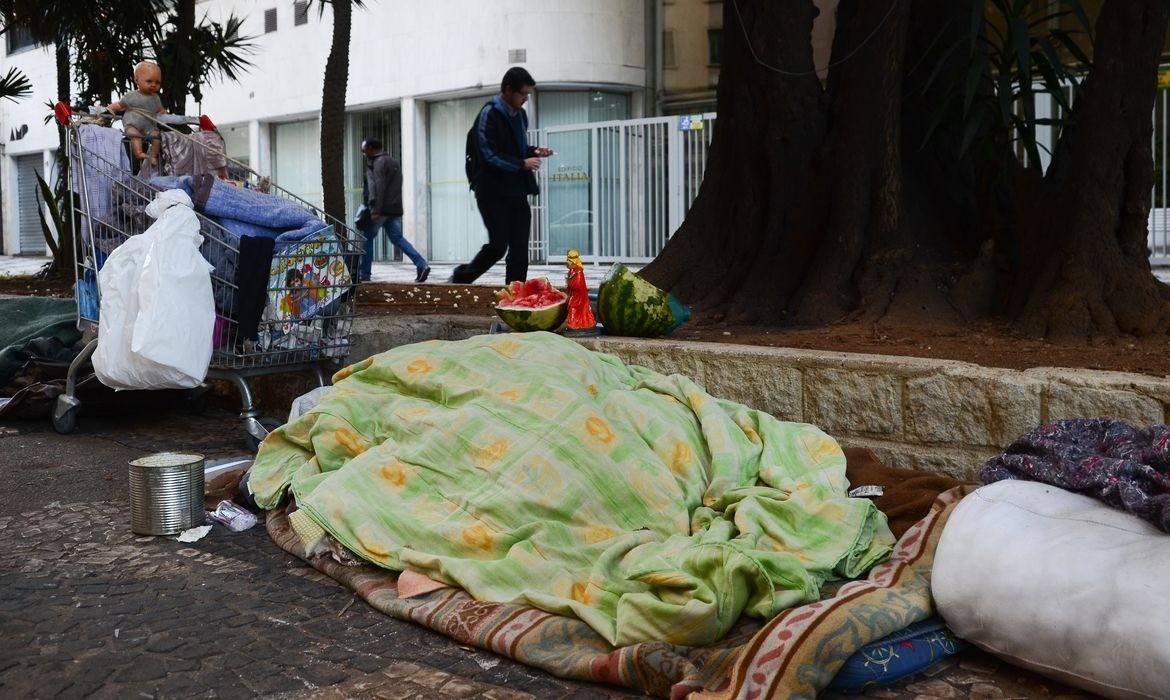
The Legislative Chamber of the Federal District in Brasília has approved a controversial bill that regulates the involuntary commitment of individuals experiencing social vulnerability or homelessness. The proposal, sent by the local executive branch in June, passed with 16 votes in favor and six against, and now awaits sanction from Governor Celina Leão. The bill aims to expand the support network and integrate services across health, social assistance, housing, public safety, education, and social development sectors.
Supporters, like rapporteur Thiago Manzoni, argue the project organizes existing federal laws from 2001 and 2019 that permit involuntary commitment for drug users under specific conditions, though these laws do not explicitly address the homeless population. Critics, however, used strong language like "Human Carrocinha Bill" and raised concerns about vague wording and potential infringements on fundamental rights. Fabio Félix, who proposed rejection, cited deficiencies in legislative technique that could undermine protections for those committed.
Despite the approval, some allies of the governor acknowledged insufficient investment in support structures. Pastor Daniel de Castro noted the need for greater government funding for therapeutic communities, often run by religious entities. Governor Leão previously described the bill as a public health measure to address individuals in crisis posing risks to themselves and others. As of January 2025, Brasília had 3,521 people experiencing homelessness, according to IPE-DF data.
Experts have also voiced reservations. Andrea Galassi from the University of Brasília warned that treating involuntary commitment as public policy, rather than an exceptional measure, violates existing law. Antônio Geraldo da Silva of the Brazilian Psychiatric Association highlighted the lack of structured psychiatric evaluation within the project and the broader difficulties in accessing public mental healthcare. Galassi further questioned where individuals would be sent after commitment, suggesting a potential reliance on private services instead of strengthening the public SUS system.
The passage of this bill in Brasília reflects a complex societal tension between public order, public health, and individual liberties, particularly concerning vulnerable populations. While framed as a public health initiative to address immediate crises and risks, the legislation's reliance on involuntary commitment as a policy tool raises significant concerns about its potential for misuse and its compatibility with established legal frameworks for mental health treatment. Critics rightly point to the lack of clarity in legislative language and the potential for eroding fundamental rights, especially when existing federal laws, designed for specific circumstances, are being adapted to a broader demographic without adequate safeguards. The debate highlights a systemic challenge: how to provide effective care and support for individuals experiencing homelessness and mental health crises without resorting to measures that could be perceived as coercive or lacking due process. Future policy must balance immediate intervention needs with robust legal protections, adequate funding for public services, and a clear strategy for long-term rehabilitation, ensuring that exceptional measures remain truly exceptional and are not normalized as a primary response.
AI-generated to prompt reflection — not editorial opinion, not advice, not a statement of fact. How this works.