Brasília Metro Resumes Service After Morning Disruptions
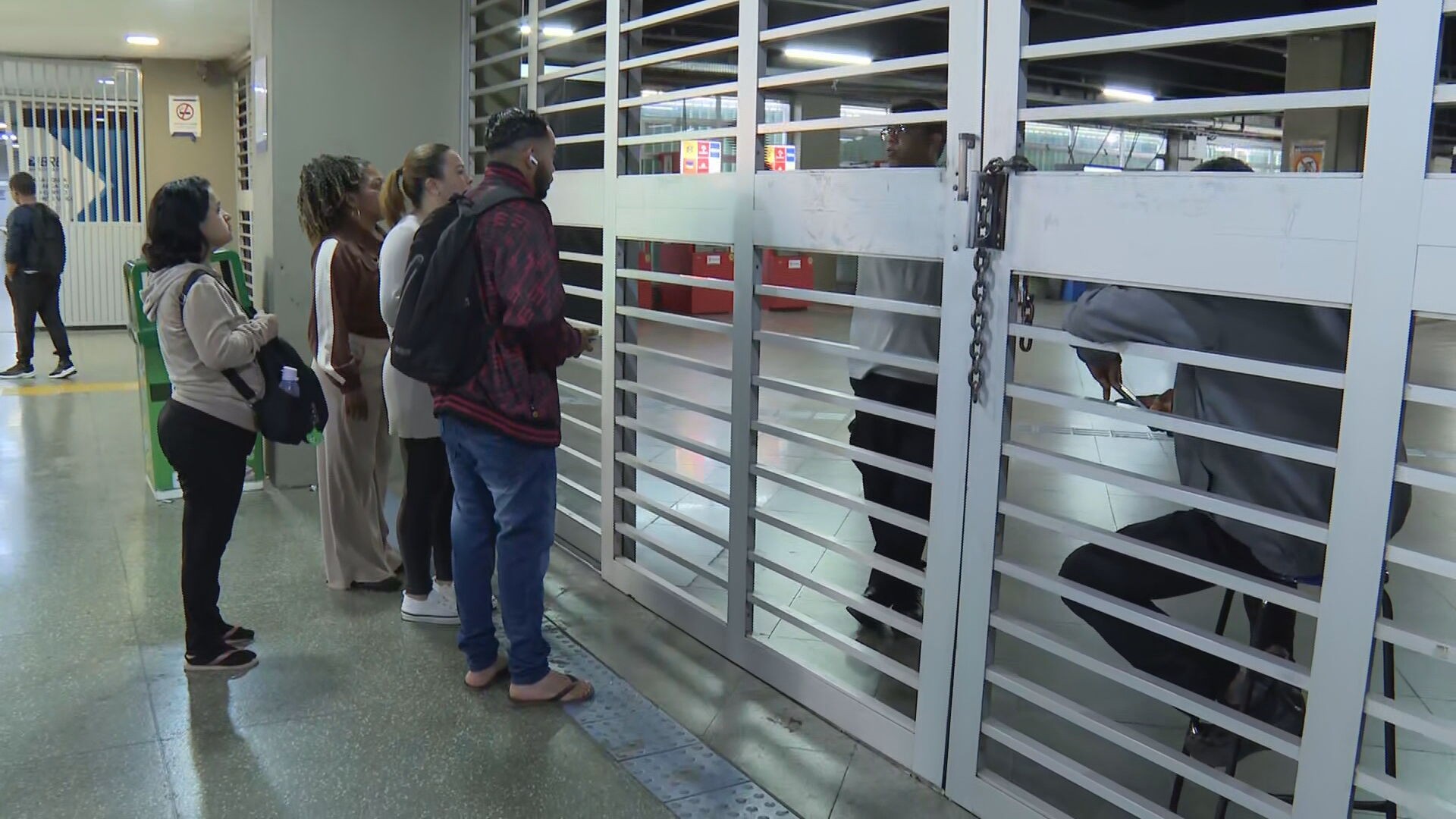
The Brasília Metro service has fully resumed operations across all stations as of Tuesday afternoon, October 28th, following significant disruptions earlier in the day. The morning was marked by a complete service interruption between the Central station at Rodoviária do Plano Piloto and the 114 Sul station. This incident occurred because one of the three trains experienced a derailment, where a pair of its wheels lost contact with the tracks. The affected train was removed for assessment, and fortunately, no injuries were reported. Service in the Asa Sul stations resumed at 1:50 PM, but operations between the 110 and 112 Sul stations will continue at a reduced speed of 20 km/h until the end of Tuesday. This contrasts with the normal operating speed of approximately 45 km/h on other sections of the network. The Metro-DF stated that complementary track repairs might be conducted overnight if necessary, emphasizing that all measures are in place to ensure passenger safety. The derailment, which happened late Monday night or early Tuesday morning between stations 110 and 112 Sul, led to the suspension of operations in the Asa Sul tunnel for safety reasons. The Asa Sul station became a temporary terminal, and the Secretariat of Mobility (SEMOB) was alerted to increase bus services in the W3 region to support affected Metro passengers. Many commuters reported a lack of information from Metro staff during the morning, leading them to face crowded bus stops as an alternative.
The incident highlights the critical need for robust infrastructure maintenance and contingency planning within public transportation systems. While the prompt response to the derailment and the subsequent resumption of service are positive, the morning's communication gaps and passenger inconvenience underscore systemic challenges in information dissemination during emergencies. Future planning should focus on enhancing real-time communication protocols and exploring redundant service options to mitigate the impact of such disruptions. The reliance on bus services as a backup, while necessary, also points to the importance of integrated transit network resilience, especially as urban populations grow and demand for efficient mobility increases in the coming decade.
AI-generated to prompt reflection — not editorial opinion, not advice, not a statement of fact. How this works.