Bratislava Challenges Ministry Decision on Slovnaft Waste-to-Energy Plant
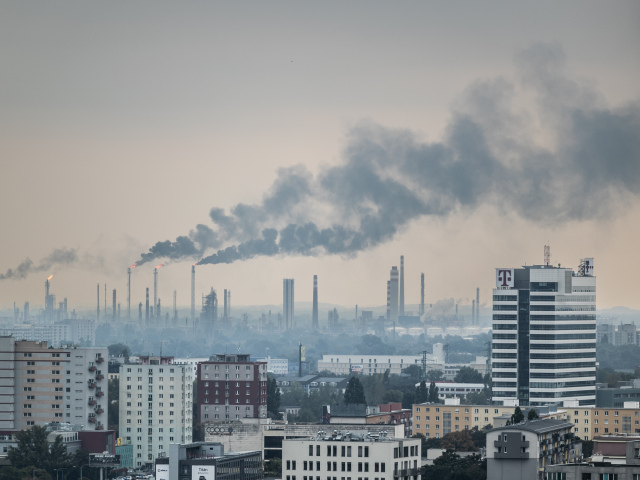
The capital city of Bratislava has filed an objection against a decision made by the Ministry of Environment. This decision pertains to the environmental impact assessment (EIA) for the planned Center for Energy Valorization of Waste (CEZO) project. The CEZO project is being developed by the company Slovnaft. Bratislava's objection, termed a 'rozklad' in Slovak, directly challenges the ministry's environmental approval for the facility. The core of the dispute lies in the environmental impact evaluation of Slovnaft's proposed waste-to-energy plant. The city's action signifies a direct confrontation with the Ministry of Environment's stance on the project's environmental viability. This development indicates significant local opposition to Slovnaft's industrial expansion plans within the capital region. The legal and environmental review process for the CEZO facility is now subject to further scrutiny due to Bratislava's formal appeal.
Bratislava's challenge to the Ministry of Environment's EIA approval for Slovnaft's CEZO project highlights a common tension between industrial development and urban environmental concerns. The city's objection suggests potential divergence in risk perception and regulatory interpretation between local authorities and the national ministry. This situation underscores the importance of robust, transparent, and multi-stakeholder environmental review processes, particularly for large-scale industrial facilities located near populated areas. Future energy infrastructure projects will likely face increased scrutiny regarding their long-term environmental footprint and alignment with evolving sustainability goals, prompting a need for clearer regulatory frameworks and proactive community engagement to mitigate potential conflicts and foster public trust.
AI-generated to prompt reflection — not editorial opinion, not advice, not a statement of fact. How this works.