Brave Browser Adds Tab-Based Data Isolation, Clarifies Privacy Intent
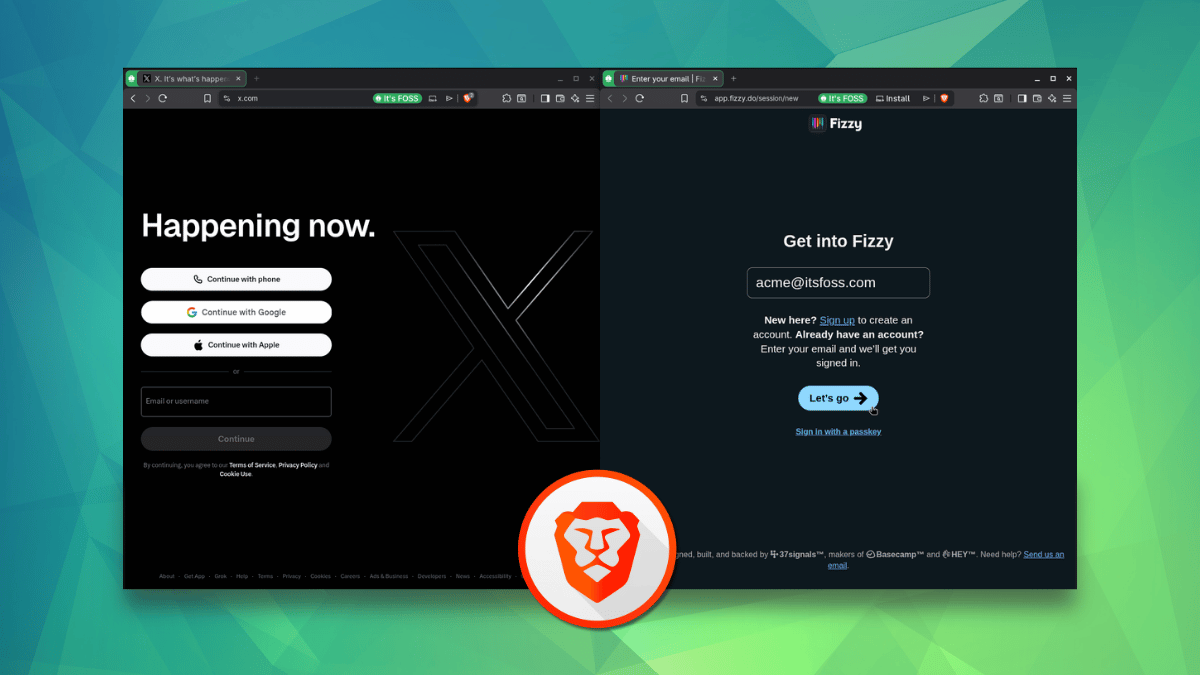
Brave Browser has released version 1.92, which includes support for a new feature called Containers. These containers are designed to isolate cookies and site data on a per-tab basis. This means that each tab can maintain its own distinct set of cookies and website data, preventing sites from tracking user activity across different tabs within the same browsing session. Brave has clarified that this functionality is not primarily intended as a privacy feature, but rather as a way to manage site data more effectively. However, the company acknowledges that using containers does offer certain benefits, particularly for users who want to separate their online activities. For example, users could potentially use different containers for work, personal browsing, or specific websites to keep their data separate. This isolation could help prevent cross-site tracking and improve the overall browsing experience by ensuring that websites do not interfere with each other's data. The introduction of containers in Brave Browser 1.92 aims to provide users with more granular control over their browsing data.
The introduction of tab-based data isolation, termed 'Containers,' by Brave Browser presents an interesting dynamic between functionality and privacy perception. While Brave states it's not a primary privacy feature, the inherent separation of cookies and site data per tab directly addresses concerns about cross-site tracking, a significant privacy issue. This move could influence market expectations for browser data management, potentially pushing competitors to adopt similar mechanisms. The system's design raises questions about user adoption and the balance between perceived complexity and tangible benefits, especially in an era where users are increasingly aware of digital footprints. Future iterations may explore more sophisticated user controls or automated container management based on user behavior or site type.
AI-generated to prompt reflection — not editorial opinion, not advice, not a statement of fact. How this works.