Brazil Accelerates Energy Contracts to Mitigate El Niño Impacts
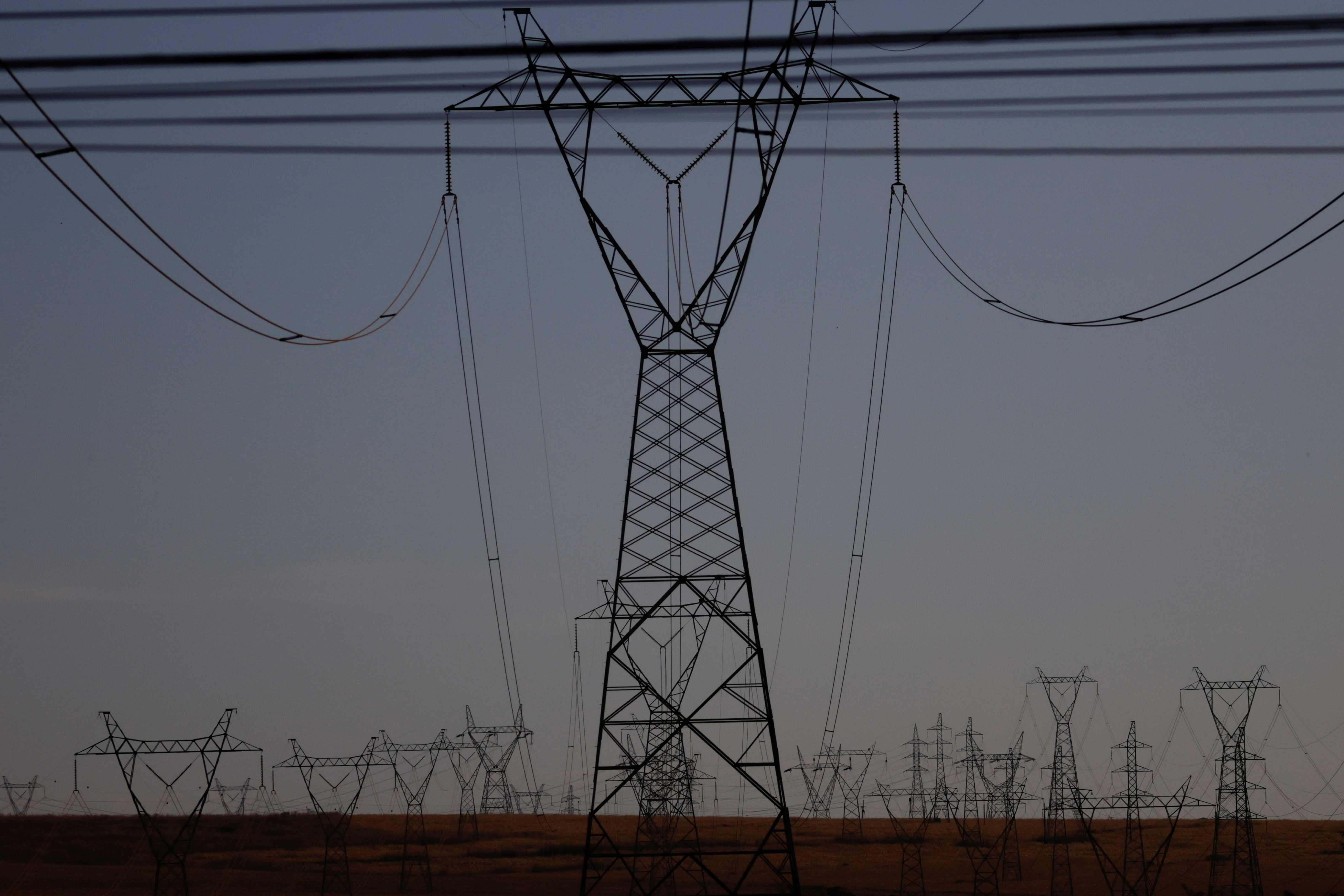
The Brazilian federal government has decided to expedite the commencement of energy supply from five capacity reserve auction contracts and one power capacity contract. This proactive measure is intended to safeguard the national electricity supply against the anticipated effects of the El Niño phenomenon. The decision, made by the Electric Sector Monitoring Committee (CMSE) on Wednesday, August 22nd, will inject an additional 1.8 gigawatts (GW) into the National Interconnected System (SIN) starting September 1st. El Niño, characterized by the warming of Pacific Ocean waters, disrupts global weather patterns and typically occurs every two to seven years. In Brazil, its effects are geographically varied, often bringing increased rainfall to the South and drier conditions to the North and Northeast. The CMSE stated that this early activation is crucial for ensuring the security of Brazil's electricity system through 2026 and into early 2027. This foresight is based on a July assessment by the National Electric System Operator (ONS), which indicated a high probability of El Niño's occurrence and its potential to reduce energy generation in the North while simultaneously increasing demand due to higher temperatures. Geopolitical uncertainties, particularly the conflict in the Middle East, also influenced the decision, as potential impacts on fuel prices could significantly increase the cost of using non-contracted power plants. The World Meteorological Organization (WMO) has warned that El Niño is expected to intensify throughout the second half of the year, peaking between November 2026 and February 2027, raising the risk of extreme weather events globally.
The Brazilian government's decision to accelerate energy contracts reflects a strategic response to predictable climate shifts and geopolitical volatility. By proactively securing additional power capacity, the government aims to mitigate potential supply disruptions and price shocks associated with El Niño's impact on domestic energy generation and demand, as well as global fuel market uncertainties. This approach highlights the increasing necessity for national energy infrastructure to build resilience against climate change and external geopolitical risks. The move underscores a broader trend where long-term planning must integrate climate forecasting and global instability to ensure energy security and economic stability, particularly in regions susceptible to extreme weather and volatile commodity prices. The government's action demonstrates an effort to manage systemic risks through adaptive capacity planning, balancing immediate needs with future uncertainties.
AI-generated to prompt reflection — not editorial opinion, not advice, not a statement of fact. How this works.