Brazil Accuses US of Election Interference After Revoking Ambassador's Visa
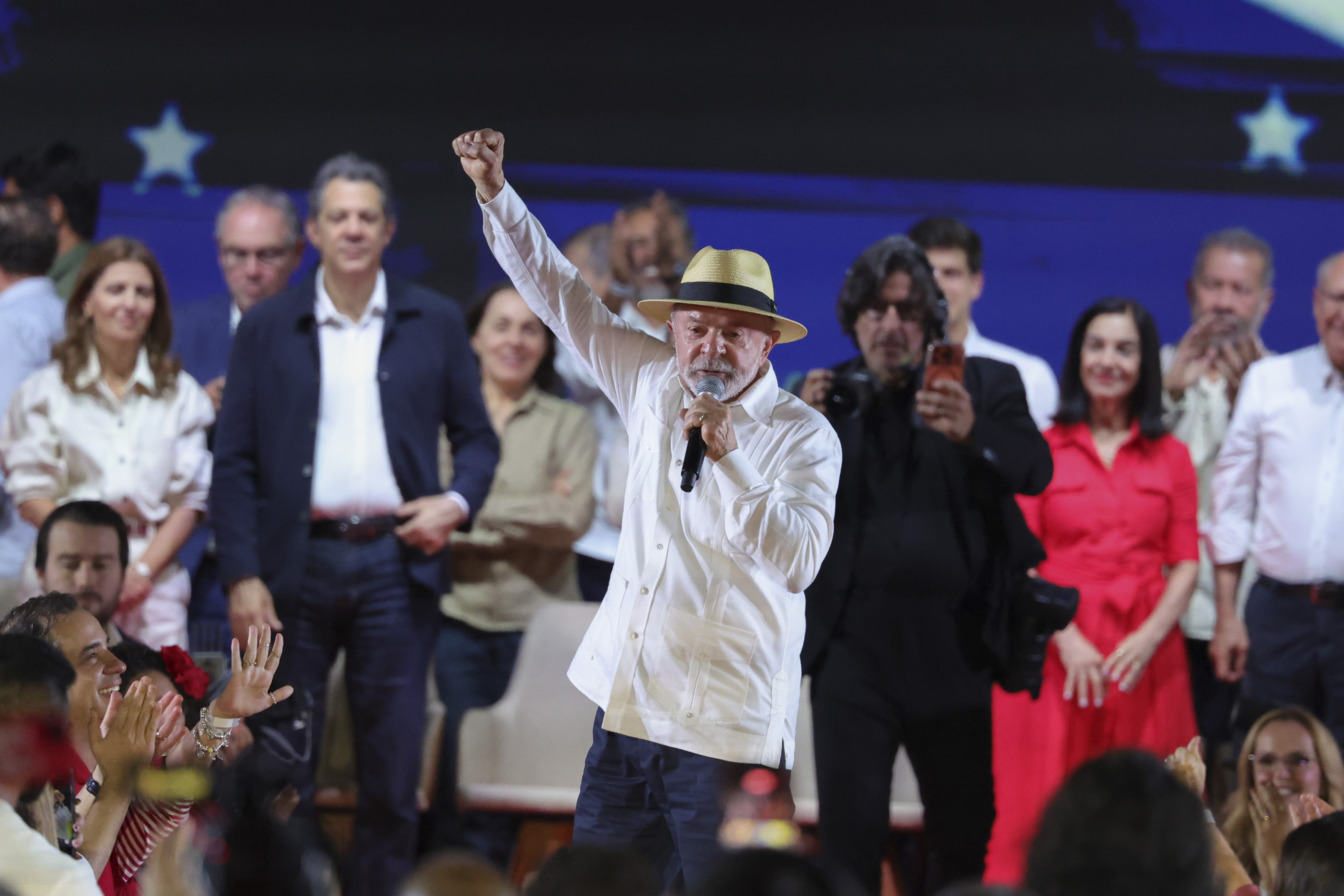
Brazil has accused the United States of attempting to influence its upcoming October elections. This accusation follows the U.S. decision to cancel the visa of Brazil's ambassador to Washington. The cancellation of the visa is seen by Brazil as a direct act of interference in its electoral process. The specific details of the ambassador's role or the exact nature of the alleged interference were not provided in the source material. However, the Brazilian government views this action as a significant move by the U.S. to impact the election outcome. The situation highlights a diplomatic tension between the two nations, centered around the upcoming electoral period in Brazil. Further information regarding the U.S. rationale for the visa cancellation or Brazil's specific evidence of interference is pending.
The U.S. revocation of a foreign ambassador's visa, particularly during an election cycle, raises questions about diplomatic norms and potential geopolitical signaling. From an analytical perspective, such actions can be interpreted through the lens of statecraft and the strategic use of diplomatic tools. It is crucial to examine the underlying incentive structures that might drive such a decision, considering potential U.S. foreign policy objectives or responses to perceived actions by the Brazilian government. This event underscores the complex interplay between bilateral relations and domestic electoral politics, prompting consideration of how international actors navigate and influence sovereign electoral processes. The long-term implications for diplomatic trust and regional stability warrant careful observation as the situation evolves.
AI-generated to prompt reflection — not editorial opinion, not advice, not a statement of fact. How this works.
