Brazil Acknowledges Potential 12.5% US Tariff Over Forced Labor Import Failures
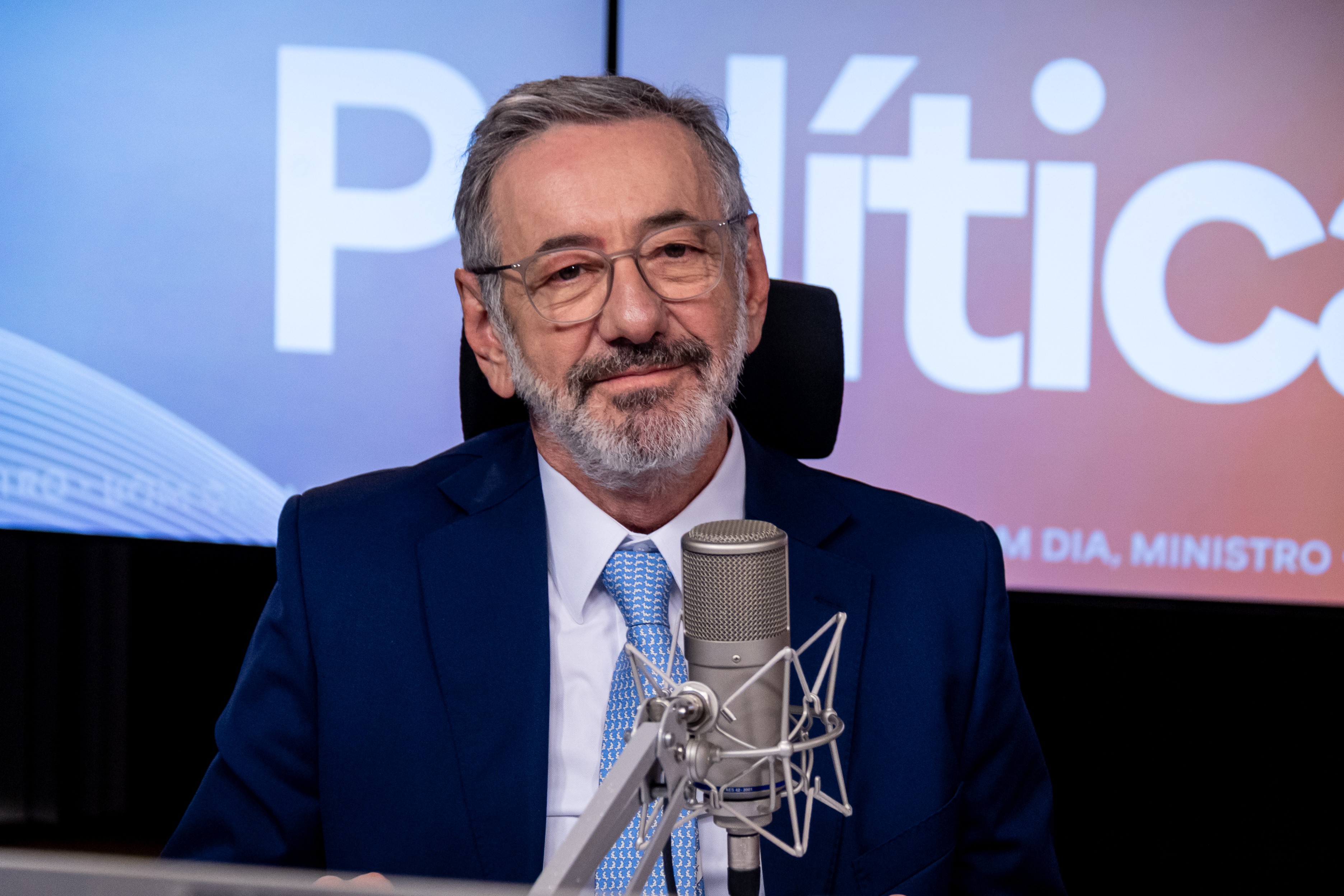
The Brazilian government has acknowledged that the United States is likely to impose an additional 12.5% tariff due to Brazil's perceived failure to prohibit and monitor the import of goods produced with forced labor. A key concern for Brazil is whether this new tariff will be cumulative to the 25% surcharge already announced by the U.S. on Thursday, May 16th. The final decision regarding the new tariff is expected from the U.S. next week, according to Márcio Elias Rosa, Brazil's Minister of Development, Industry, Trade, and Services (MDIC). The U.S. investigation, initiated in March under Section 301 of the Trade Act of 1974, concluded that the European Union and 59 other countries, including Brazil, have not adequately prevented or supervised imports of goods made with forced labor. This finding led to the proposal of additional tariffs. The U.S. Trade Representative (USTR) investigation found these countries' practices to be 'irrational' and to create unfair competition for American businesses and workers. The U.S. established two tariff levels: 10% for countries with partial prohibitions or formal commitments, and 12.5% for others lacking effective control regimes, which includes Brazil. The U.S. argues that its trading partners' inaction on forced labor imports is unacceptable and creates an uneven playing field for American workers. The report specifically cited Brazil's lack of an effective legal prohibition to practically prevent goods produced under forced labor conditions from entering its domestic market, despite commitments made in trade agreements.
The U.S. action highlights a growing global trend of leveraging trade policy to enforce labor standards, particularly concerning forced labor. This approach shifts the burden onto importing nations to demonstrate robust oversight and prohibition mechanisms, creating potential friction in international trade relations. Brazil's acknowledgment suggests a recognition of systemic gaps in its enforcement capabilities, rather than outright denial. The interaction between the proposed 12.5% tariff and the existing 25% surcharge raises questions about the U.S.'s strategy for escalating trade remedies and its long-term impact on bilateral trade flows. Future trade agreements may need to incorporate more stringent and verifiable labor compliance clauses to preempt such punitive measures, reflecting a broader shift towards ethical supply chain accountability driven by both consumer and governmental pressure.
AI-generated to prompt reflection — not editorial opinion, not advice, not a statement of fact. How this works.