Brazil Aims to End 22-Year Knockout Drought Against European Teams
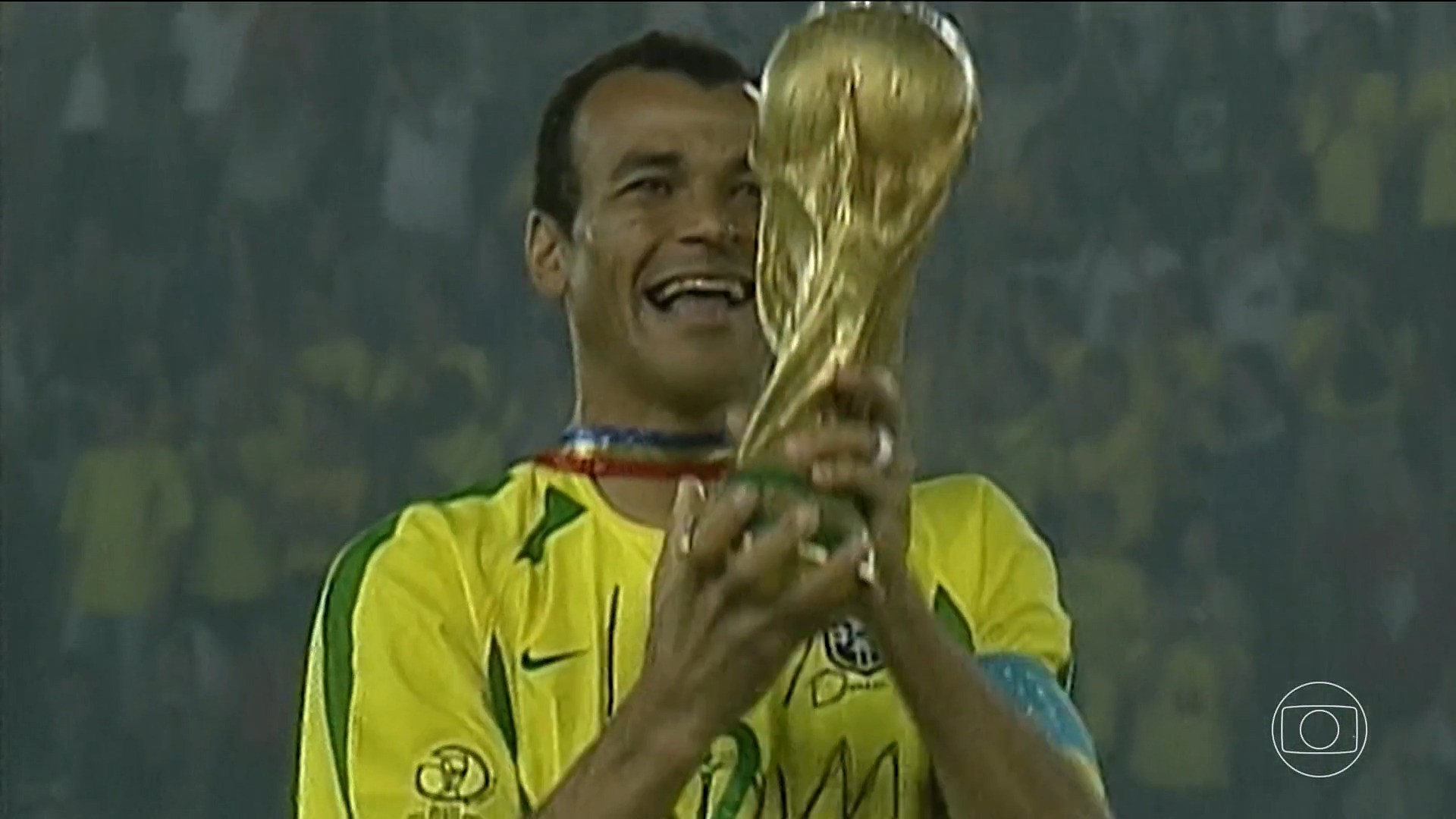
The Brazilian national football team is preparing to face another European opponent in the World Cup knockout stage, aiming to break a long-standing winless streak in elimination matches against European sides. This challenging phase of the tournament demands perfection, with no room for error as both teams strive for victory. Player Endrick emphasized the team's focus on continuous improvement and executing the coach's instructions, stating, "We know there's no margin for error now... we are always looking to improve, always doing what the Mister asks."
Brazil's historical record against European teams is strong in group stages, with seven wins and two draws since their 1998 loss to Norway. However, their knockout stage performance tells a different story. The last time Brazil defeated a European nation in a World Cup knockout match was in the 2002 final, securing their fifth title with a 2-0 victory over Germany. Since then, Brazil has suffered five consecutive losses in elimination rounds against European opponents. The upcoming match presents an opportunity to end this 22-year jinx. The team may find an advantage in their coach, Carlo Ancelotti, an Italian himself, who Endrick believes is instrumental in uniting and developing the squad, stating, "There couldn't have been a better fit than having Ancelotti as Brazil's coach to welcome the group, to make the group get along and evolve more and more."
Brazil's historical performance data reveals a notable disparity between their success in World Cup group stages and their struggles in knockout matches against European opposition since 2002. This pattern suggests potential systemic factors, possibly related to tactical adjustments under pressure, psychological preparedness for high-stakes elimination games, or specific opponent matchups that have historically posed challenges. The integration of coach Carlo Ancelotti, a prominent European figure, may offer a strategic advantage in navigating these specific challenges. Future success will likely depend on the team's ability to adapt tactical approaches and mental resilience to consistently perform at the highest level against diverse European styles in decisive tournament moments, a critical capability in the evolving landscape of international football.
AI-generated to prompt reflection — not editorial opinion, not advice, not a statement of fact. How this works.